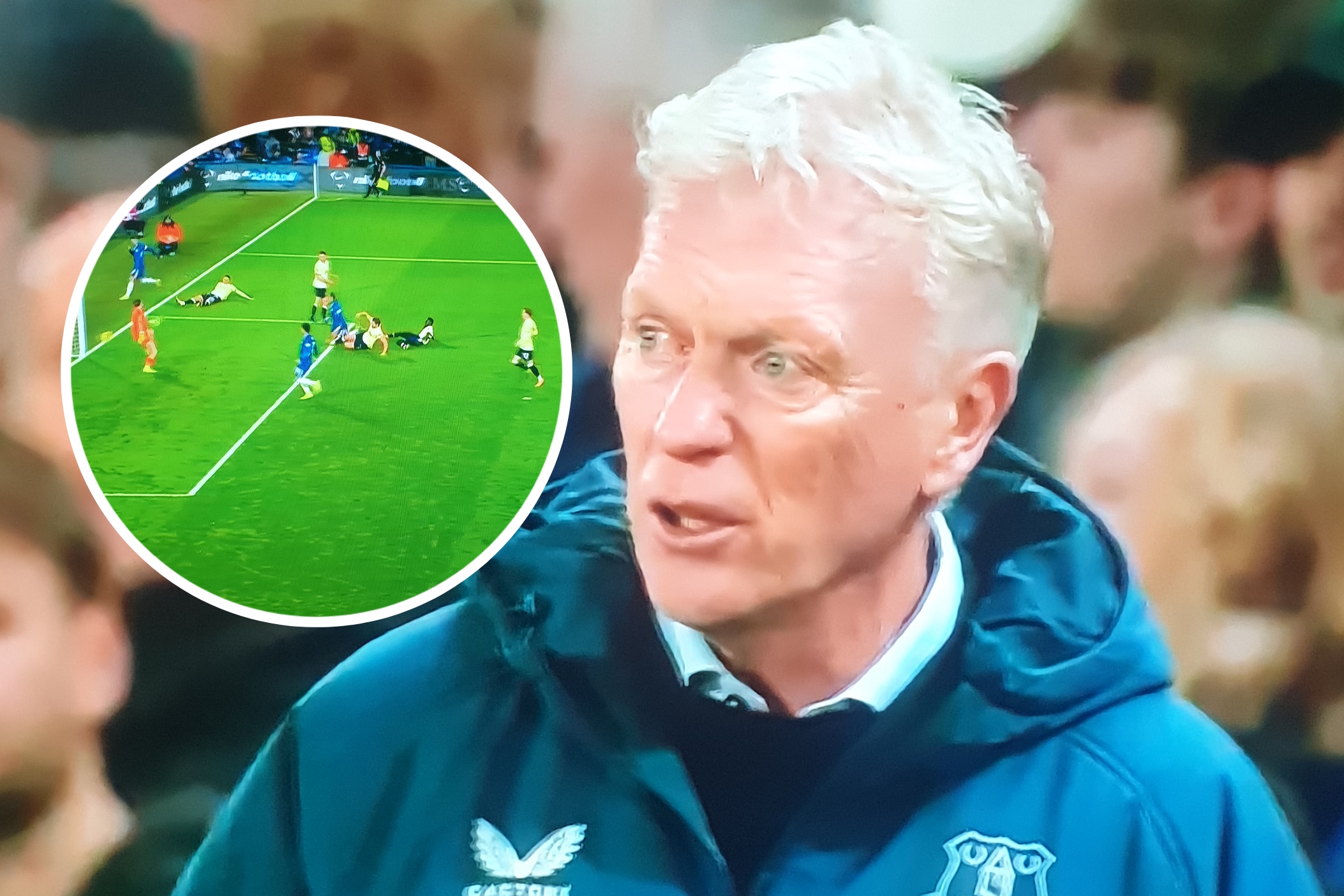
FANS DEMAND PLAYER IS DROPPED IMMEDIATELY AFTER TERRIBLE PERFORMANCE AGAINST CHELSEA; THEY WANT HIM GONE
Everton’s Premier League campaign suffered a noticeable setback on Saturday, 13 December 2025, as they were defeated 2-0 by Chelsea at Stamford Bridge. The defeat was significant not only because it extended Everton’s winless history at the London club, a streak that has persisted since 1994, but also because of the discontent it has generated among supporters, who have since called for drastic changes—most notably the immediate removal of one of the team’s underperforming starters.
Match Snapshot: Two Early Goals Set the Tone
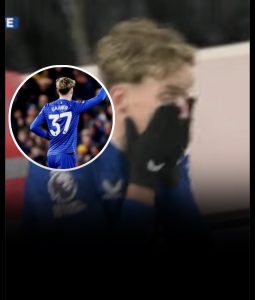
The narrative of the match was shaped predominantly in the first half. Chelsea opened the scoring in the 21st minute when Cole Palmer, making his first Stamford Bridge start since returning from injury, found the net after a precise through-ball from Malo Gusto. The finish was clinically executed, beating Jordan Pickford at the near post and handing Chelsea an early advantage.
Just before halftime, Gusto himself doubled the lead with a well-worked move that began with a cutback from Pedro Neto and was finished emphatically by the full-back. This second goal not only consolidated Chelsea’s control of the game but also extinguished the momentum Everton had built earlier in the contest.
By the break, Everton’s hopes of salvaging a positive result were already in jeopardy, and the second half would do little to reverse their fortunes.
Everton’s Struggles and Missed Opportunities
Despite a positive start and meaningful spells of possession, Everton’s attacking threat never translated into tangible results. There were notable attempts, including Iliman Ndiaye’s effort that struck the woodwork and an opportunity for Jack Grealish that was thwarted by Chelsea’s defense, but the Toffees failed to convert any clear chances into goals.
Defensively, Everton showed vulnerability on multiple occasions. Vitaliy Mykolenko struggled to contain Chelsea’s wide play, particularly down the right flank, where Pedro Neto posed consistent dangers. This defensive lapse contributed directly to Chelsea’s second goal—a scenario that did not go unnoticed by fans and pundits alike.
Fan Backlash: Who Must Pay the Price?
In the aftermath of the loss, fan forums, social media platforms, and supporter blogs lit up with criticism. A recurring theme among Everton fans was the performance of one specific starter (based on user-submitted ratings and public reactions) whose contributions were deemed particularly inadequate.
According to crowd-sourced player ratings from the match, this individual received one of the lowest scores among Everton’s lineup, notably lower than his teammates including Grealish, Ndiaye, and Idrissa Gueye. Such public scoring—out of five stars—suggested widespread dissatisfaction with his work rate, decision-making, and overall impact during the game, and fans have openly called for his exclusion from future starting lineups.
Whether this player is ultimately dropped will depend on managerial discretion, but the vocal opposition among sections of the fanbase speaks to broader dissatisfaction with certain tactical and personnel choices.
Tactical Analysis: Where Everton Fell Short
A closer look at the tactical elements of the match reveals deeper issues. Everton’s formation and approach allowed Chelsea to dominate key phases of play:
Lack of midfield control: After Chelsea’s opening goal, Everton appeared unable to regain control of midfield territory consistently. This allowed Chelsea to build momentum and capitalize on loose balls and transitions.
Defensive breakdowns: The second goal for Chelsea stemmed from a relatively simple move that Everton’s backline failed to contain. This suggests communication and structural issues that the current defensive unit must address.
Poor finishing statistics: While the team did create scoring opportunities, the quality and execution of those chances were suboptimal. Players like Grealish and Ndiaye were involved in promising sequences, yet decisive final actions were missing.
Collectively, these elements underscore a side that could fashion attacking patterns but lacked the consistent precision and tactical discipline necessary to challenge a strong opponent on the road.
Managerial Perspective and Squad Challenges
Everton manager David Moyes faced pointed questions in his post-match press conference. While the coach defended certain aspects of his team’s display—highlighting effort and periods of positive play—he also admitted that key chances were squandered and that his side must do better to compete at this level consistently.
The strategic decisions, including player selection and formation, have now become a focal point of debate. With injuries to squad members and player absences due to other commitments (such as international duty), the manager’s ability to field his preferred lineup has been compromised. However, fans argue that underperforming players must still be held accountable, regardless of external factors.
Historical Context: Everton’s Struggles at Stamford Bridge
It’s important to situate this loss within a broader historical context. Everton’s record at Chelsea’s home ground has been notoriously poor, with the club enduring a decades-long wait for victory there. Saturday’s defeat extended an already formidable streak of unfavorable results—a pattern that adds psychological weight to this particular fixture.
The historical frustration has made this latest defeat feel particularly bitter because it came at a time when Everton appeared to be building momentum in the league. Instead, the Toffees walked away empty-handed, and supporters have now amplified their criticism.
Media and Expert Reactions
Sports analysts and pundits have been equally candid in their assessments. Coverage highlights Everton’s inability to capitalize on early upward trends in their form, pointing to a performance that lacked cutting edge and tactical cohesion against a Chelsea side eager to end a recent winless run. Chelsea’s clinical finishing and strategic response to Everton’s threats were emphasized as decisive factors in the outcome.
This discourse frustrates Everton fans further, especially given the investment and expectations placed on the squad at the start of the campaign.
Looking Ahead: What Must Change?
The fallout from this loss raises fundamental questions about Everton’s strategy, squad depth, and player development:
Personnel decisions: Should underperforming starters be dropped in future fixtures? Many fans believe the answer is a resounding yes.
Tactical evolution: Everton may need to adapt a more fluid tactical approach that can break down organized defenses, especially on the road.
Psychological resilience: Overcoming historical chokepoints—like Stamford Bridge—requires mental fortitude and game management skills that have so far eluded the club in such contexts.
The next fixtures present opportunities for Everton to respond. However, the performance against Chelsea will remain a talking point, particularly if players previously criticized fail to improve.




Post Comment