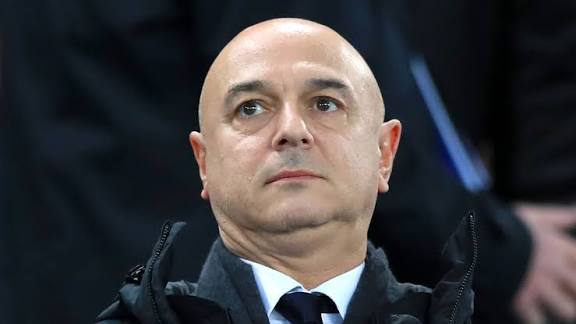
Daniel Levy, for the first time since stepping down as Tottenham chairman, has sent a 73-word emotional message to Spurs fans.
Daniel Levy’s decision to step down as executive chairman of Tottenham Hotspur on 4 September 2025 marked the end of an era at one of English football’s most scrutinised clubs. After nearly 25 years at the helm — a period that saw Tottenham transform commercially and physically while provoking heated debates about on-field ambition — Levy’s departure prompted immediate reaction across the football world: from club officials and former colleagues to supporters and the national press. The announcement itself and the changes to the club’s board signal a new chapter for Tottenham and raise fresh questions about priorities, accountability and strategic direction.
Tottenham’s official statement confirmed that Levy had stepped aside with immediate effect. The club thanked him for his long service and noted the structural achievements of his tenure, pointing to the stadium, training ground and commercial growth that helped elevate Tottenham’s global standing. The board also named Peter Charrington of ENIC to a senior non-executive role as part of the leadership reshuffle, indicating a plan for continuity at the shareholder level even as operational control shifts to a new cohort of executives.
Levy’s nearly quarter-century in charge produced an unmistakable legacy. Under his stewardship, Tottenham built a state-of-the-art stadium, reinforced revenue streams, and navigated the club into regular European competition. Those accomplishments are tangible and remain central to the club’s valuation and commercial strength. Yet they sit alongside a record that has frustrated supporters: a comparatively meagre trophy haul, frequent managerial turnover and persistent criticism of transfer policy and recruitment strategy. That tension — between infrastructure success and on-pitch imperatives — helps explain the polarized reaction to his departure.
The message read:
“To the Spurs family: after decades at the club I step aside with gratitude. We built a stadium, trained generations, and fought in Europe. I know trophies eluded us often, and for that I share your disappointment. My decisions were guided by duty, not comfort. I love this club and its supporters. Please give the new leadership patience and your fierce devotion. Forever proud to be part of Tottenham’s story now and always.”
The timing of Levy’s exit — coming after a season with mixed results — intensified scrutiny. Tottenham’s recent campaigns produced contrasting headlines: a major European cup success but inconsistent league form. For many fans and pundits, that juxtaposition crystallised long-running criticisms that business stability had not always been matched with sporting ambition at the necessary level. Media coverage following the announcement emphasised both sides of that ledger, noting Levy’s role in delivering long-term stability while reminding readers of fans’ calls for a different approach to transfers and managerial decisions.
Within hours of the announcement, commentators and former figures associated with Tottenham weighed in. Some former managers and club associates expressed surprise and paid tribute to Levy’s stewardship; others stressed that a change at the top offered an opportunity for a reassessment of strategy and a chance to re-engage disillusioned supporters. International outlets highlighted the wider significance of Levy’s departure in the context of modern football governance, where boards are judged not only on balance sheets but also on a club’s competitive trajectory.
Fan reaction was immediate and mixed. Sections of the supporter base who long campaigned for change welcomed the move as overdue, while others acknowledged Levy’s role in building much of what the club now relies upon. During his tenure, protests and vocal criticism at matches had become part of the football calendar, reflecting deep emotional investment and impatience for more sustained silverware. At the same time, many fans recognised that infrastructure projects such as the new stadium would remain valuable long after any single chairman’s departure. The interplay between gratitude for visible achievements and anger over perceived sporting underachievement characterised much of the online discourse.
The boardroom changes accompanying Levy’s departure were also significant. ENIC, the investment vehicle that has controlled a majority stake in the club for years, moved to reassure supporters and potential investors that the club was not for sale and that ownership stability would be preserved. Peter Charrington’s elevation and messages from the new leadership emphasised the need to empower the club’s sporting leadership and deliver long-term success. This balancing act — promising fresh impetus while avoiding destabilising turnover at shareholder level — is a common theme when long-standing executives leave top clubs.
On the pitch, the immediate question for Tottenham is how the new leadership will align ambition with accountability. Will the club change its transfer strategy and recruitment timelines? Will managerial appointments be handled differently? Supporters and analysts expect clearer signalling about investment priorities, recruitment processes and performance targets. In the modern Premier League, where rivals continue to deploy significant financial resources, Tottenham’s next moves will be closely watched — not only by fans but by the league and potential commercial partners.
Levy’s departure also raises broader governance questions. How do clubs balance long-term infrastructure projects and financial prudence with the short-cycle demands of sporting success? Tottenham’s recent history exemplifies that dilemma. The challenge for the new board and executive team is to convert the club’s structural strengths into a consistent, on-field trajectory that satisfies fans’ expectations for trophies as well as growth. The effectiveness of that translation will define how Levy’s tenure is ultimately remembered in the fuller sweep of the club’s history.
Looking ahead, the immediate priorities for Tottenham include stabilising communications with fans, presenting a clear strategic plan from the new leadership, and demonstrating early signs of ambitious, coherent football planning. The appointment of Peter Charrington to a non-executive role signals continuity at the ownership level, but Spurs supporters will want to see tangible footballing progress — recruitment moves, a consistent managerial blueprint, and evidence that competitive goals are being actively pursued. How quickly the club can demonstrate that a new era is different in substance, not just in leadership, will determine the mood at the Lane in the coming months.
Finally, Levy’s resignation underscores the human dimension of football leadership. Chairmen and CEOs make decisions under intense public scrutiny, and their legacies are often judged by short-term silverware as much as by long-term stability. For Tottenham, Levy leaves behind a club that is commercially stronger and physically transformed — and a fanbase that demands more than stability. The incoming leaders face the task of aligning those two imperatives, and the manner in which they do so will shape Tottenham’s fortunes for years to come.





Post Comment