RANGER PLAYER DELETES EVERY REFERENCE TO THE CLUB ON HIS SOCIAL MEDIA AFTER BEING THREATENED BY FANS OVER DRAW TO DUNDEE UNITED
The fallout from Rangers’ dramatic 2–2 draw with Dundee United has taken a dark, unexpected turn—one that has left supporters, analysts and even ex-players stunned. What started as yet another tense afternoon in the Scottish Premiership has now escalated into one of the most troubling off-pitch sagas the club has faced this season.
As emotions ran wild following the match, anger poured onto social media. Blame was assigned, arguments erupted, and a wave of hostility began rising against one Rangers player in particular. Within hours, something even more shocking happened: a Rangers first-team player deleted every visible reference to the club from his social media platforms, sending supporters into a frenzy of speculation and panic.
Screenshots flew across fan pages. Rumours spiralled on X, Instagram and Facebook. Some supporters even began asking whether the player was preparing to force his way out of the club. Others demanded the club make a statement. Coaches and insiders refused to comment, only adding more fuel to the fire.
But beneath the noise lies a story of pressure, frustration and the modern reality of football—where a single performance can turn a player from hero to villain in a matter of hours.
This incident did not begin with a transfer rumour. It did not begin with training-ground drama. It began with one match, one result and an avalanche of unfiltered rage.
THE MATCH THAT LIT THE FIRE
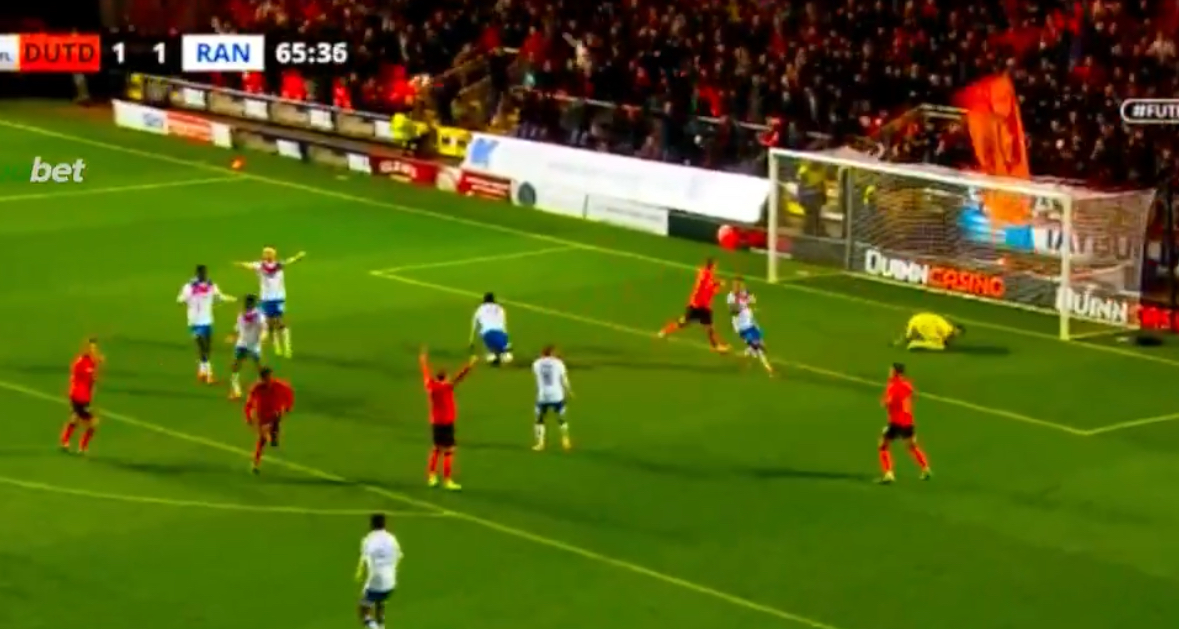
Rangers arrived at Tannadice expecting three points. They dominated spells of the game, created chances and looked on course for victory—but Dundee United refused to fold. The home side fought back, capitalised on Rangers’ mistakes and snatched a point in the dying moments to seal a 2–2 draw that felt more like a defeat for the away fans.
When the full-time whistle blew, the frustration was immediate. The players’ reaction said it all: hands on heads, shoulders dropped, a sense that something had slipped away.
For supporters, the emotions were even stronger. A draw—especially one shaped by avoidable mistakes—felt unacceptable. And as happens too often in the digital age, disappointment quickly turned into hostility.
ABUSE FLOODS ONLINE: “HE COST US THE GAME”
Within minutes, anger found a target. Fans accused one Rangers player of being responsible for both goals conceded, claiming he had “cost the team the match,” “switched off at key moments,” and “let the club down.”
Comments became harsher, then cruel, and then—according to several circulating posts—threatening.
No matter how passionate supporters are, this is the dark side of the modern game: online abuse travels fast, hits hard and rarely stops to consider the human being behind the badge.
By late evening, screenshots showed hundreds of angry messages being directed at a single player. And just when tensions couldn’t rise any higher, something happened that no one expected.
THE SHOCK MOVE: SOCIAL MEDIA CLEARED OUT
The player at the centre of the storm suddenly wiped his social media profiles clean.
Profile references to Rangers? Gone.
Photos of training sessions? Removed.
Club-related posts? Deleted or archived.
Supporters noticed immediately. Pages that had displayed club photos hours earlier were suddenly blank or private. This wasn’t a quiet adjustment or a simple edit—this was a total reset.
Speculation erupted instantly:
- “Has he fallen out with the manager?”
- “Is he trying to engineer an exit?”
- “Did the threats go too far?”
- “Is he safe?”
The club said nothing. Teammates said nothing. And the silence only deepened the mystery.
THE PLAYER REVEALED: THE TARGET OF THE BACKLASH WAS CONNOR BARRON
Halfway through the night, after hours of online chaos, fan forums and insider pages confirmed the identity of the player involved: Connor Barron, the young midfielder who has been steadily building his reputation since joining Rangers.
Barron has become known for his work rate, fearlessness and maturity far beyond his years. But even the toughest professionals have a breaking point—and the torrent of online hostility that followed the 2–2 draw clearly pushed that limit.
What makes this situation even more heartbreaking is that Barron is precisely the type of player supporters typically rally behind: a hard-working midfielder who gives everything on the pitch. But football is unforgiving. One mistake, one misread moment, one touch slightly off—and suddenly the digital world becomes a storm.
WHY BARRON FELT TARGETED
According to fan reactions and circulating posts, critics blamed Barron for several key moments in the match. They accused him of losing his man during the build-up to one goal, misplacing passes under pressure, and failing to control the midfield late in the game.
Whether those criticisms were fair or not isn’t the issue anymore. Football has always allowed space for debate, discussion and even heated disagreement. But what crossed the line were the threats.
Fans alleged to have sent messages like:
- “Don’t show your face in Glasgow again.”
- “You cost us the league.”
- “You shouldn’t wear the shirt.”
When messages turn threatening, it’s no longer football—it’s harassment.
And that appears to be the trigger that led Barron to strip his profiles clean, distancing himself from the firestorm.
THE EMOTIONAL IMPACT ON A YOUNG PLAYER
Players are often seen as unshakable professionals, immune to pressure, criticism or fear. But behind the screens, behind the pitch and behind the performance, they are young men with emotions, families, hopes and insecurities.
Connor Barron, still early in his professional career, will feel this more intensely than seasoned veterans.
He’s at an age where confidence is everything.
Where one match can shape momentum.
Where online abuse can hit harder than most understand.
Scrubbing his social media may not have been a dramatic stunt—it might have been self-protection.
SHOULD RANGERS STEP IN?
This situation raises serious questions that go beyond one match, one player or one bad result:
- Should the club intervene when online abuse escalates?
- Should the police be notified when threats are involved?
- Should players be advised to step away from public platforms during high-pressure periods?
- Should fan behaviour be monitored more closely?
In modern football, protecting player welfare is becoming as vital as managing tactics, transfers or fitness. Social media can empower players—but it can also destroy their peace of mind.
If threats were indeed sent to Barron, Rangers may be forced to respond publicly, whether to defend their player, condemn the abuse, or reassure supporters that action is being taken.
THE BIGGER ISSUE: THE CULTURE OF BLAME
Football has changed.
Supporter passion has not.
But the environment surrounding the sport is more intense, more public, and more unforgiving than ever. Mistakes used to be seen once, in real time, in a stadium. Now they are replayed, clipped, tweeted and argued over for days.
Young players like Barron face a level of scrutiny that players 10 or 20 years ago never had to confront.
And the cost is real.
WHAT HAPPENS NEXT?
All eyes now turn to Rangers:
- Will the club make a statement?
- Will Barron restore his social media presence?
- Will teammates publicly support him?
- Will supporters apologise or double down?
- Will security or welfare staff intervene?
Everything depends on what happens in the coming days.
One thing is certain: this incident has pulled back the curtain on the emotional and mental pressure modern players face.
And if the threats are confirmed, this won’t just be a controversial moment—




Post Comment