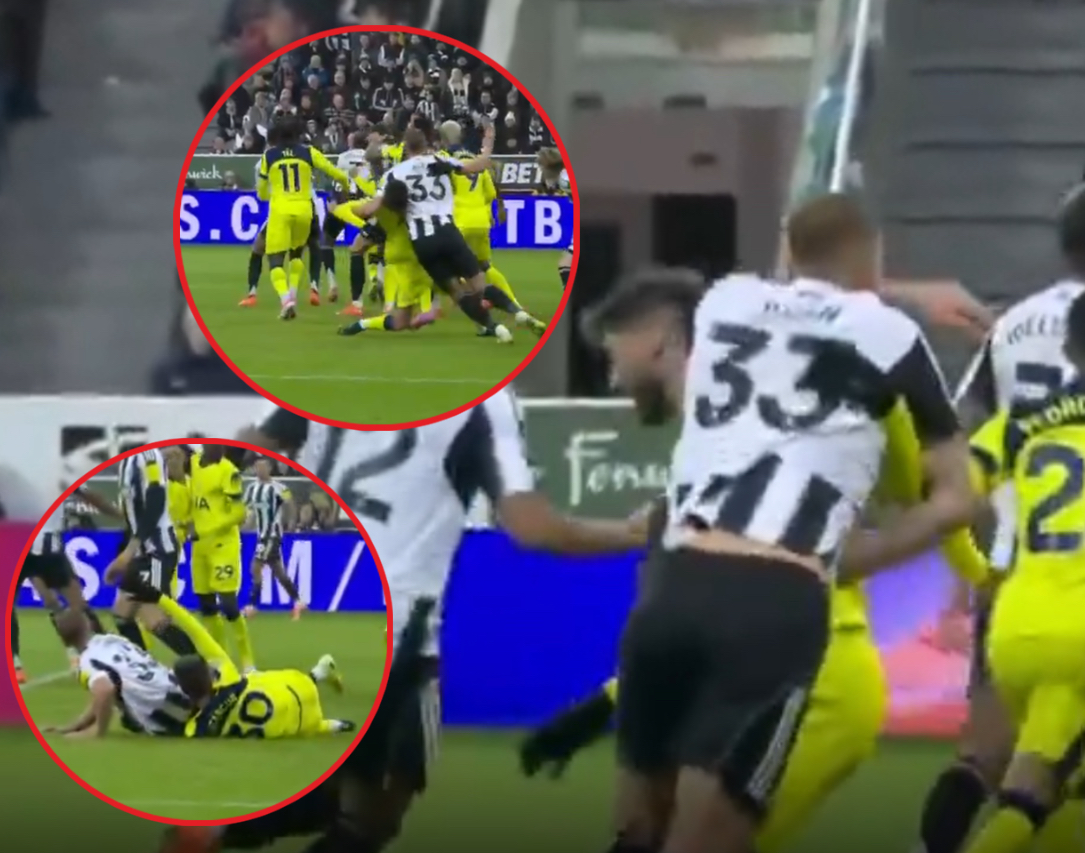
MAJOR REASON WHY PENALTY WAS GIVEN DESPITE BENTACUR DIDN’T FOULED BURN HAS LEFT EVERYONE FURIOUS —FA RELEASES SHOCKING STATEMENT
In a dramatic night of Premier League football at St James’ Park, Newcastle United and Tottenham Hotspur played out a chaotic 2–2 draw. What should’ve been a straightforward finish turned into a storm of controversy — all because of a penalty call that many say never should have been given. And when the governing body issued its explanation, the fallout erupted like wildfire.
A Match of Two Halves — And One Explosive Decision
The evening seemed to belong to Newcastle for much of it. They took the lead through Bruno Guimarães after 71 minutes, a finish that looked like the beginning of a comfortable home victory.
However, just seven minutes later, Tottenham fought back with a diving header from Cristian Romero to make it 1–1.
Then came the moment nobody will forget. In the 86th minute, following a corner, a tussle between Bentancur and Dan Burn ended with Burn on the ground — and, after a lengthy review by video assistant referee (VAR), the on-field decision was overturned: a penalty was awarded to Newcastle.
Newcastle’s Anthony Gordon slotted home from the spot. The home crowd erupted — but so did fury, from fans, pundits, and even players.
Later, in the 95th minute, Romero — again — pulled off a stunning overhead kick to salvage a draw for Tottenham, but the penalty decision had already blown the match into chaos.
But Wait — Why Was the Penalty Given, If Bentancur “Didn’t Foul” Burn?
That’s the million-dollar question that’s got everyone screaming injustice. According to the official explanation from the organisers, what tipped the decision was not blatant shirt-pulling or a dramatic shove — but the fact that Bentancur was judged to have committed a “holding offence at the back post” while “clearly not looking at the ball.”
In other words: the foul wasn’t about contact or intent to win the ball — it was about positioning and focus. Bentancur, it is claimed, was grappling with Burn, pulling him down, but with his eyes on the man, not the ball. That was deemed enough for a penalty after VAR intervention.
On the face of it: a very fine, and controversial, distinction. Many supporters and analysts argue this standard opens the floodgates for a penalty every time there is even the slightest wrestling at set pieces.
Outrage, Fury, and Claims of VAR Madness
Unsurprisingly, the reaction was instant and ferocious.
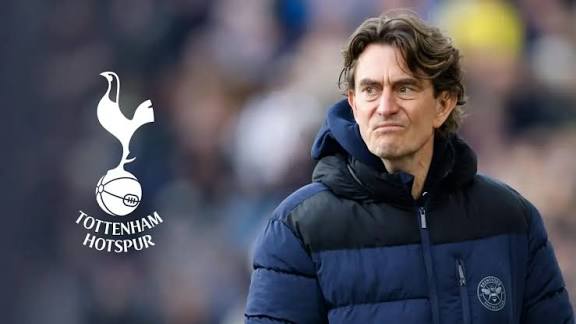
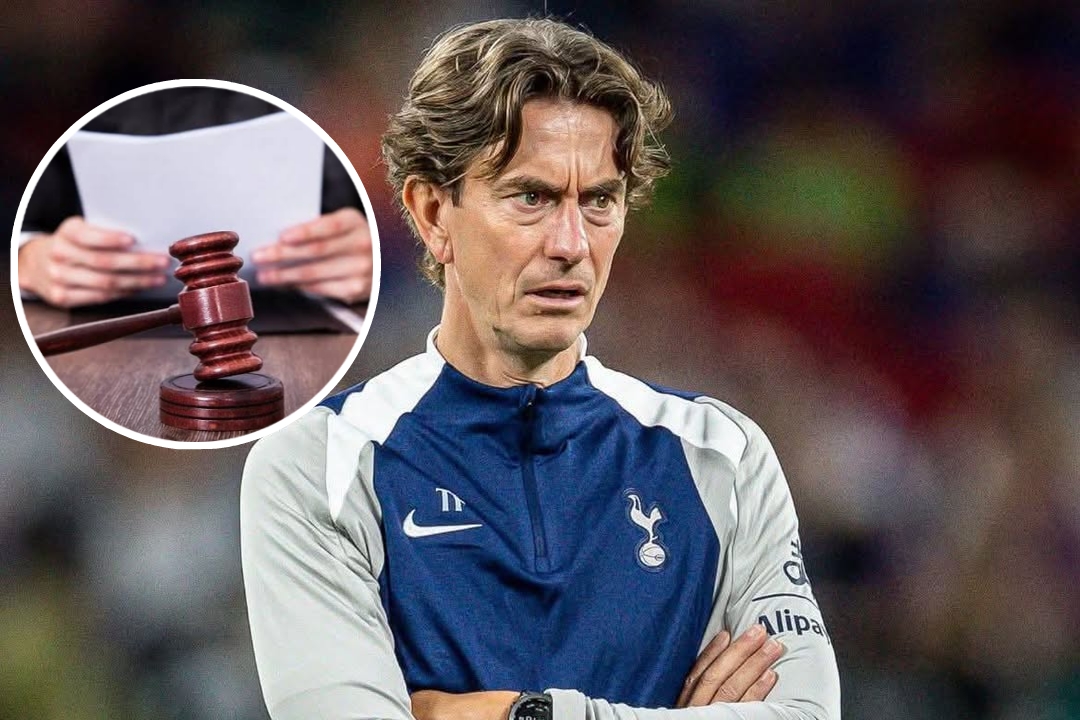
- Tottenham boss Thomas Frank — furious — described the penalty call as an “absolute mistake from VAR.” He stressed that the original on-field decision (no penalty) was correct, arguing that the kind of tussling seen was common in corners and should not be penalised.
- Spurs captain Romero even retweeted criticism of the decision from former players, aligning with fans who called the call “disgraceful.”
- Former stars and pundits piled on: one, quoted on social media, described the decision as a “daylight robbery,” while another said granting such decisions each weekend would be “insanity.”
- Even among some Newcastle supporters there was discomfort. As one Reddit user summed it up:
“When he first got flagged he said ‘the game is gone if this gets given’ then when it went in said Spurs had every right to be furious.”
Many argued this was not about fair play — it was about a poorly defined threshold being pushed to its breaking point. If you can’t look at the ball during a corner and you hold your marker — that earns a penalty? That, to countless fans, pundits, and even some players, is ludicrous.
The Official Statement — And Why It’s Fuelled the Fire
After widespread backlash, the governing body (via the official match centre) offered an explanation. According to the statement:
“After VAR review, Tottenham number 30 makes a holding offence at the back post and clearly does not look at the ball. My final decision is penalty kick.”
While technically precise, the wording felt like a slap in the face to many. It boiled the decision down to a momentary lapse — but ignored the broader context: corners are messy, bodies are flying, defenders grappling — often with little regard for the ball. Making that kind of split-second decision the difference between awarding a goal and denying it was, to many, indefensible.
Furthermore, critics argued that this sets a dangerous precedent. If “not looking at the ball” during a corner becomes an automatic penalty risk, defenders — especially those marking physically imposing forwards — will forever be on edge.
One pundit said it best: “You’re handing out penalties for what used to be accepted as part of defending a set piece.” Others warned that consistency across matches is now virtually impossible.
What Happens Now — Will This Change VAR Standards?
As dust settles, the real question is what this decision means going forward. Several potential consequences are already being discussed:
- Will referees now penalise almost every scramble and grapple in the box at corners? If so, defenders will have to change how they defend, perhaps avoiding tight marking — but that will expose them to even more danger.
- Will VAR guidelines be clarified? Many argue there needs to be a clearer threshold for what constitutes a foul in those situations. Currently, “not looking at the ball” is vague and open to massive interpretation.
- Could this decision become a match-decider more often than actual fouls? As many fans have pointed out: if this standard sticks, “nothing will ever be safe.”
For players, coaches, and fans of clubs across the Premier League, the spectre of that decision will hang over every corner, every box scramble, every late set piece.
The Match That Will Be Remembered — For All the Wrong Reasons
The Newcastle vs Tottenham game itself will go down as a roller-coaster. Late drama, a last-gasp bicycle kick, a heroic comeback from 2–1 down. But rather than being remembered for skill or grit, the match is now defined by one fraught moment — one decision that many believe tainted the contest.
For Spurs, it robbed them of what felt like a fair shot at a win. For Newcastle, it gave them hope — albeit one built on a shaky foundation. For football purists and fair-play advocates, it raised questions: how much contact is too much at a corner? When did wrestling become a penalty? And who gets to draw those lines?
In the End — A Lesson in Power, Perception, and Precedent
The controversy surrounding the Bentancur–Burn penalty is more than just a disagreement. It is a sign of shifting standards. A reminder that as technology becomes more embedded, interpretation becomes more subjective. A demonstration of how one decision — by VAR, by the referee — can reshape the narrative of an entire match.
And with the governing body issuing its “official” explanation, many feel the door has been opened: open for debate, open for inconsistency, open for more fury in the stands.
Because when a foul can be awarded not because the ball was in play — but because of a glance away and a hold — football becomes not just a game of skill, passion, and timing — but of chance, controversy, and chaos.
In the words of one angry fan on Reddit:
“We’ve never deserved to win today, but if that’s not blatant evidence of corruption I don’t know what is.”
The match ended 2–2. But the conversation — perhaps the controversy — is only just beginning.



Post Comment