FIFA Forced to Issue Official Statement on Punishment After Alleged ‘Messi Rat’ Chant as Spain Face Potential World Cup Sanction

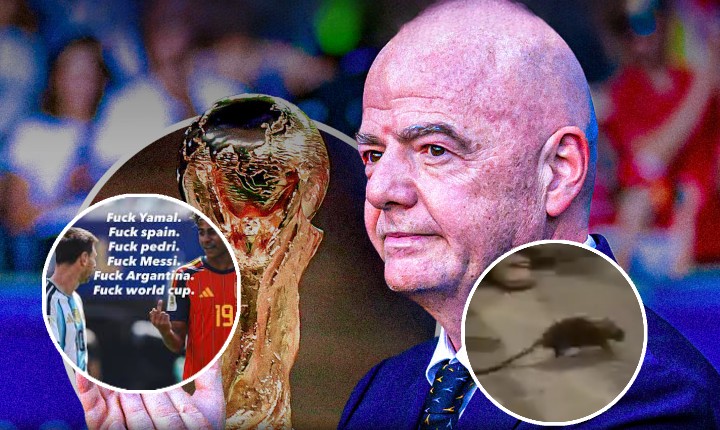
In the aftermath of the 2026 FIFA World Cup final, where Spain triumphed over Argentina in a tense 1-0 extra-time victory at MetLife Stadium in New Jersey, the beautiful game has once again been overshadowed by controversy, fan banter, and the ever-watchful eye of football’s governing body. What began as light-hearted—or some might say tasteless—celebratory trolling by Spanish supporters has escalated into a disciplinary matter, prompting FIFA to issue an official statement addressing potential punishments. As Spain, the newly crowned world champions, now face the specter of sanctions that could impact their legacy or future participation, the incident highlights the fine line between rivalry passion and unsporting conduct.
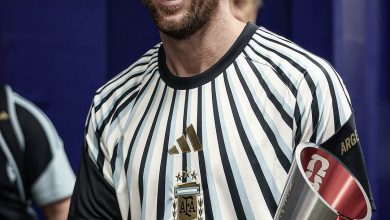
The 2026 final was a clash for the ages. Defending champions Argentina, led by the 39-year-old Lionel Messi in what was widely expected to be his swan song on the international stage, met a youthful, dynamic Spanish side brimming with talent. Spain’s victory, sealed by Ferran Torres’ strike in extra time following Enzo Fernández’s red card, marked their second World Cup title and cemented their status as a modern powerhouse under their tactical approach. Celebrations erupted across Spain and among diaspora communities, but it was during street parties and victory parades that a peculiar moment went viral: Spanish fans spotting a rat and immediately launching into chants of “Messi,” “La Rata Messi,” or variations thereof.
Videos circulating on social media platforms like X (formerly Twitter) and Instagram captured the scenes vividly. Crowds in Madrid and other cities cheered as a rodent scurried near the festivities, with fans pointing and chanting the Argentine superstar’s name in a clear jab at his legacy. Memes proliferated rapidly—rat shadows superimposed with Messi’s silhouette, laughing mice edited into goal celebrations, and captions proclaiming “peak banter.” For many neutral observers, it was harmless ribbing in the heat of triumph, a nod to the intense Spain-Argentina rivalry fueled by shared history in clubs like Barcelona (where Messi spent the bulk of his career) and past encounters. Yet, for others, particularly Argentine fans and football purists, it crossed into disrespectful territory, potentially constituting discriminatory or insulting behavior under FIFA’s strict codes.
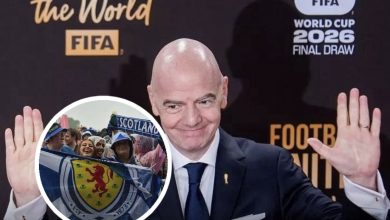
FIFA, no stranger to policing fan conduct, was quick to respond amid mounting pressure. The organization issued an official statement confirming the opening of disciplinary proceedings. While the exact wording focused broadly on post-match incidents and unsporting behavior, sources close to the matter indicate the “Messi rat” chants were flagged through match reports, fan monitoring systems, and widespread social media evidence. FIFA’s Disciplinary Committee has appointed a prosecutor to investigate breaches of the FIFA Disciplinary Code (FDC), particularly articles related to unsporting conduct, discrimination, and bringing the game into disrepute.
In their statement, FIFA emphasized: “FIFA takes all reports of inappropriate fan behavior seriously and will investigate thoroughly to uphold the values of respect and fair play.” This comes on the heels of other post-final dramas, including Argentina players and staff allegedly involved in bust-ups, leading to separate probes that could result in fines, bans, or point deductions for national teams. For Spain, the potential sanctions are significant. A finding of discriminatory chanting could lead to fines for the Royal Spanish Football Federation (RFEF), stadium closures for future matches, or even broader World Cup-related penalties, such as adjustments to seeding or participation privileges in upcoming qualifiers—though a full ban seems unlikely given the context.
The Roots of the Rivalry and the Chant
To understand why a simple rat sighting ignited such global discourse, one must delve into the deep-seated footballing enmity between Spain and Argentina. Both nations boast rich histories: Argentina with their passionate “Albiceleste” style and iconic figures like Maradona and Messi; Spain with their tiki-taka dominance in the late 2000s and early 2010s, winning back-to-back Euros and the 2010 World Cup. Messi’s long tenure at Barcelona intertwined the two, creating bonds (many Spanish players were teammates) but also fractures when international duty called.
The “rat” moniker isn’t entirely new. In football lore, opponents have occasionally used animal insults—rats symbolizing cunning, sneakiness, or untrustworthiness. Argentine fans have defended Messi fiercely, pointing to his unparalleled achievements: eight Ballon d’Or titles, Copa América triumphs, and the 2022 World Cup glory. Chanting his name at a rat was seen by critics as reducing one of the greatest players to vermin, especially poignant as Messi reflected on a defeat that may mark the end of his World Cup journey.
Social media amplified everything. Hashtags like #MessiRat and #SpainChampions trended, with users divided. Some praised the creativity: “It’s just banter, get over it.” Others condemned it: “This is why football needs better education on respect.” Thierry Henry, a pundit and former star, reportedly defended Messi’s conduct in related incidents, underscoring the emotional toll on the veteran. Meanwhile, Argentine supporters responded with their own displays, chanting “Don’t cry” to Messi post-final, a show of unwavering loyalty.
FIFA’s Disciplinary Framework: Precedents and Implications
FIFA’s response isn’t without precedent. The body has sanctioned associations for discriminatory chants in the past, fining countries like Argentina, Mexico, and others during World Cup qualifiers for fan behavior. In one notable case, multiple federations faced CHF 20,000+ penalties for insulting songs. More recently, Spain itself has navigated issues, such as players chanting about Gibraltar.
Article 36 of the FDC allows for investigations into post-match incidents, while broader anti-discrimination protocols leverage monitoring systems. Punishments can range from warnings and fines to match suspensions or spectator bans. For Spain, facing a “potential World Cup sanction” as per the headline, experts speculate it might involve a suspended penalty or financial hit rather than drastic measures, especially since the chants occurred during unofficial celebrations, not inside the stadium.
However, the optics matter. With the 2026 tournament hosted in North America and global audiences larger than ever, FIFA aims to project inclusivity. Allowing unchecked trolling risks alienating fans and sponsors. Critics argue the governing body is “forced” into statements to maintain authority, balancing free expression with standards. Supporters of Spain counter that rivalries thrive on such moments, citing historical barbs like Maradona’s “Hand of God” or various national anthems controversies.
Broader Context: Post-Final Fallout
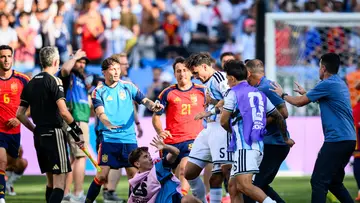
The “Messi rat” episode is just one thread in a tapestry of drama. Argentina’s squad reportedly turned their backs during Spain’s trophy lift, deemed “classless” by some pundits. Chants of Messi’s name during Rodri’s Golden Ball presentation added fuel. On-pitch tensions, including red cards and appeals, drew complaints. FIFA’s probe encompasses these, potentially leading to sanctions for the Argentine Football Association (AFA) as well.
Spain’s victory parade featured stars like Rodri, whose midfield mastery earned plaudits, and young talents signaling a new era. Yet, the shadow of controversy lingers. Will sanctions dampen the celebrations? Or will they be seen as overreach, further polarizing the football world?
Fan Perspectives and Cultural Impact
Football without passion is nothing, but where does banter end and harm begin? Spanish fans viewed the chant as humorous release after years of Messi-inspired defeats or draws. Argentine loyalists saw it as petty, especially targeting a player who elevated the sport. Global reactions ranged from amusement to calls for accountability. Memes turned the rat into a cultural symbol overnight, spawning merchandise parodies and debate segments on talk shows.
Psychologists note such incidents reflect tribalism in sports—harmless for most, triggering for invested fans. Social media’s role accelerates scrutiny, pressuring bodies like FIFA to act swiftly. In an era of player mental health awareness, targeting icons like Messi raises questions about boundaries.
Looking Ahead: Lessons for Football
As investigations unfold, this saga offers lessons. Federations must educate fans on inclusive support. FIFA could refine guidelines distinguishing stadium vs. public behavior. For Spain, navigating potential sanctions while basking in glory tests their federation’s diplomacy. For Messi and Argentina, it fuels motivation for future competitions or retirement reflections.
Ultimately, the 2026 World Cup will be remembered for Spain’s triumph, technical brilliance, and this bizarre footnote. Whether FIFA’s statement leads to meaningful punishment or serves as a symbolic warning remains to be seen. In football, rivalries endure, but respect must prevail—or at least the illusion of it under regulatory watch.