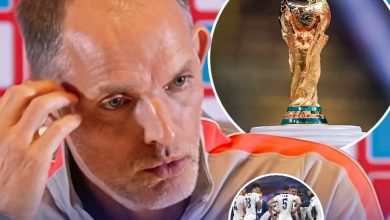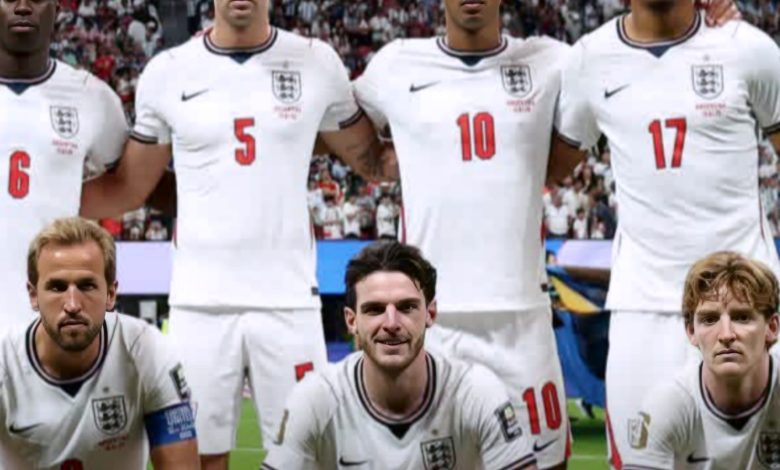
In the high-stakes world of international football, where every minute on the pitch can define a career and national pride hangs in the balance, tensions often boil over behind closed doors. The latest chapter in England’s turbulent 2026 FIFA World Cup campaign unfolded dramatically as a young midfielder, Kobbie Mainoo, reportedly left the England training camp in a fit of fury just days before the team’s third-place playoff against France. The 21-year-old Manchester United star, widely regarded as one of the brightest talents in English football, is said to have been incensed by a perceived “playing time snub” under manager Thomas Tuchel.
This incident comes at a critical juncture for the Three Lions. After a semi-final exit that left fans and pundits questioning tactical decisions, England now faces an “unwanted” bronze medal match against France at Miami’s Hard Rock Stadium. While the game is often dismissed as a consolation fixture, it carries significant symbolic weight—and for Mainoo, the latest development has amplified calls for accountability in squad management.
The Rise of Kobbie Mainoo: From Prospect to Premier League Star
To understand the gravity of Mainoo’s departure, one must first appreciate his rapid ascent. Born in Stockport in 2005, Kobbie Mainoo broke into Manchester United’s first team during the 2023-24 season, showcasing a maturity and technical prowess that belied his age. His ability to dictate play from central midfield, combined with an elegant touch, vision, and defensive tenacity, quickly earned him comparisons to club legends like Paul Scholes and international icons such as Andres Iniesta.
At United, under various managers including the Portuguese tactician Ruben Amorim, Mainoo has flourished. His ambidextrous passing range, composure under pressure, and knack for progressive carries have made him a cornerstone of the team’s midfield. By the 2025-26 Premier League season, he was not just a regular starter but a standout performer, contributing goals, assists, and a calming influence that helped stabilize United’s often chaotic campaigns. His performances in the Europa League and domestic cups further cemented his reputation as a future England leader.
England call-ups followed naturally. Mainoo debuted under previous regimes and impressed enough to earn a spot in Tuchel’s 2026 World Cup squad. Fans and experts alike viewed him as a potential game-changer—a dynamic option capable of unlocking defenses with precise through balls or adding steel alongside Declan Rice. Yet, as the tournament progressed, his involvement remained frustratingly limited. Tournament Disappointment: Zero Minutes and Growing Frustration
England’s 2026 World Cup journey began with high expectations under Thomas Tuchel, the German coach brought in to deliver the elusive major trophy. The squad, boasting stars like Jude Bellingham, Harry Kane, Bukayo Saka, and Phil Foden, navigated a challenging group stage and knockout rounds. However, midfield selections became a point of contention.
Despite injuries and fitness concerns affecting senior players like Rice and others, Tuchel opted for experienced campaigners such as Jordan Henderson and tactical adjustments involving versatile defenders. Mainoo, despite strong training performances and glowing reports from within the camp, was left on the bench throughout. Reports indicate he did not feature for a single minute across the tournament, even in matches where England struggled for control or creativity in the middle of the park.
Pundits were quick to criticize. Former England international Paul Scholes publicly questioned the decision, praising Mainoo’s “game control and intelligence at club level.” Clarence Seedorf echoed similar sentiments, highlighting the midfielder’s potential to inject energy into a sometimes stagnant England setup. Social media buzzed with fan frustration, memes, and calls for Tuchel to trust youth. Mainoo’s brother reportedly voiced strong opinions, labeling the management approach as shortsighted.
Insiders described Mainoo’s demeanor shifting from professional disappointment to visible frustration. He was seen leaving stadiums early after matches and maintaining a lower profile in team activities. The culmination came ahead of the third-place clash: sources close to the camp revealed heated discussions between the player, coaching staff, and senior figures. Mainoo allegedly expressed his belief that he had earned opportunities through consistent club form and dedicated preparation, only to be overlooked in favor of “safer” selections. Feeling undervalued and sidelined, he made the dramatic decision to leave the camp.
This is not the first time playing time grievances have surfaced in international football. History is littered with similar tales—think of young talents like Marcus Rashford or Jadon Sancho in previous tournaments facing bench roles that tested their resilience. But in the social media era, such incidents gain rapid traction, amplifying pressure on managers like Tuchel Thomas Tuchel’s Perspective: Strategy, Squad Harmony, or Miscalculation?
Tuchel, known for his meticulous preparation and tactical acumen, has defended his selections throughout the campaign. In post-match press conferences, he emphasized building long-term trust and viewing bench roles as investments in players’ futures. For Mainoo specifically, reports suggest Tuchel saw him as a high-potential asset needing further seasoning at the highest level, preferring to rely on battle-hardened midfielders in crucial moments.
The German coach’s approach prioritized defensive solidity and experience, particularly after early tournament wobbles. With players like Bellingham operating in advanced roles and Rice anchoring, the central midfield options were rotated conservatively. Tuchel’s track record at clubs like Chelsea and Paris Saint-Germain includes managing egos and integrating youth, but England’s depth and the World Cup spotlight have tested those skills.
Critics argue this reflects a broader issue in English football: an over-reliance on “proven” names at the expense of form and potential. The departure of other squad players earlier in the campaign for various reasons—medical assessments, injuries, or squad trimming—already signaled a rotating door dynamic. Mainoo’s exit, however, stands out for its emotional intensity and timing.
England’s semi-final loss, widely analyzed for tactical rigidity and missed opportunities, has fueled debates. Could Mainoo’s inclusion have altered the outcome? His ability to recycle possession and break lines might have provided the spark lacking in key passages. Pundits like Gary Neville and Rio Ferdinand have weighed in, calling for a more fluid midfield approach in future setups.
The Third-Place Clash: Context and Implications
The upcoming match against France is no ordinary dead rubber. France, led by Kylian Mbappé, also exited in the semis, turning the fixture into a battle of wounded giants. For England, it offers a chance to salvage pride, secure a podium finish, and give fringe players minutes. Yet, with Mainoo gone, the squad faces further disruption.
Harry Kane, as captain, will likely rally the troops, emphasizing unity. Players like Jude Bellingham and Cole Palmer remain key creative outlets, but the absence of a dynamic midfielder like Mainoo could be felt, especially if Tuchel rotates the lineup. The Hard Rock Stadium atmosphere, filled with passionate diaspora fans, promises intensity despite the fixture’s “consolation” label.
FIFA’s decision to retain the third-place match ensures revenue and global exposure, but players often view it with mixed feelings—motivation to end positively versus the sting of near-miss. For England fans, it’s another opportunity to assess Tuchel’s project ahead of future qualifiers and tournaments.
Broader Ramifications for English Football
Mainoo’s departure highlights systemic challenges. England’s “Golden Generation” narrative persists, yet consistent major trophy success eludes them. The pathway for young talents—from academy to senior international level—requires better integration. Manchester United’s investment in Mainoo (with his contract extensions and development plan) contrasts sharply with his international experience, raising questions about club vs. country priorities.
The Football Association (FA) and Tuchel must address squad morale. Public statements from the camp have been measured, focusing on “personal decisions” and respect for player choices, but behind-the-scenes reviews are inevitable. Mainoo himself returns to Old Trafford fresh and uninjured, poised for a strong 2026-27 season where he could thrive under Amorim’s system.
This episode also sparks discussions on mental health and player welfare. The pressure of representing England—intense media scrutiny, fan expectations, and the physical toll of a condensed tournament—can overwhelm even the most composed individuals. Organizations like the Professional Footballers’ Association (PFA) advocate for better support structures.
Comparisons to past incidents, such as Phil Foden’s temporary leave for family reasons or other squad rotations, underscore that football is a human endeavor. Talent alone does not guarantee opportunity; politics, form, and managerial preference play roles. Mainoo’s story serves as a cautionary tale for aspiring midfielders: resilience is key, but so is voicing concerns constructively.
Fan and Pundit Reactions: A Divided Landscape
Social media erupted following reports of Mainoo’s exit. Hashtags like #PlayMainoo and #TuchelOut trended, with fans sharing highlights of his club performances juxtaposed against England’s midfield struggles. Supporters praised his maturity in not causing further distractions during the tournament proper, while others lamented lost potential in the knockout stages.
Pundits on platforms like Match of the Day and TalkSport dissected the decision. Some defended Tuchel’s right to select based on tactical fit, arguing youth must earn trust. Others, including ex-players, called it a missed opportunity to blood talent in a World Cup setting. The divide reflects deeper debates: pragmatism versus idealism in team selection.
International observers noted parallels with other nations. France’s integration of young talents like Eduardo Camavinga or Warren Zaïre-Emery offers a counterpoint, suggesting England could benefit from bolder choices.
Looking Ahead: Mainoo’s Future and England’s Rebuild
As England prepares for the France clash without Mainoo, focus shifts to the player’s next chapter. At Manchester United, he is expected to feature prominently, potentially anchoring the midfield alongside new signings. His England future remains bright; Tuchel or a successor will likely reintegrate him, provided performances warrant it. The 2026-27 Nations League and qualifiers provide redemption arcs.
For the national team, this incident underscores the need for evolution. Tuchel’s contract and philosophy will face scrutiny post-tournament. Enhancing midfield depth, fostering open communication, and balancing experience with youth are priorities if England aims to end decades of hurt in 2030 or beyond.
In the annals of English football, Kobbie Mainoo’s 2026 World Cup saga will be remembered as a tale of unfulfilled promise amid squad tensions. It humanizes the stars we idolize, revealing the emotions, ambitions, and conflicts that drive the beautiful game. Whether this fuels greater determination or lingers as regret depends on how all parties respond.
As the third-place match kicks off, fans will watch with mixed emotions—pride in the team’s resilience, frustration at internal rifts, and hope for a stronger future. Mainoo’s furious exit may not define his career, but it certainly spotlights the high human cost of elite competition.