FIFA MAKES FINAL DECISION ON ARGENTINA DISQUALIFICATION AFTER MORE THAN 60,000 SIGN PETITION WITHIN 24 HOURS

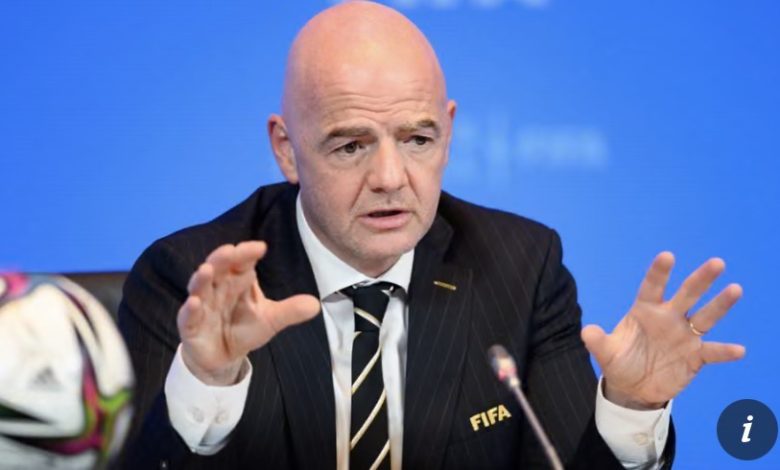
A wave of controversy has swept through the football world after an online petition calling for Argentina’s disqualification from the FIFA World Cup gained extraordinary momentum. Social media exploded with claims that more than 60,000 supporters—and in some reports millions—signed petitions demanding FIFA remove the reigning champions from the tournament following allegations of controversial refereeing decisions and perceived favoritism.
Despite the growing online campaign, FIFA has not disqualified Argentina. As of the latest official information, there is no FIFA ruling removing Argentina from the competition, and the team remains eligible to compete. FIFA’s judicial bodies have published no disciplinary decision ordering Argentina’s expulsion from the tournament.
The decision has disappointed some supporters while reassuring others who believe sporting results should be decided on the pitch rather than through online campaigns.
The Petition That Went Viral
The controversy intensified following Argentina’s dramatic knockout victories, particularly matches that featured several contentious officiating decisions.
Shortly after one of Argentina’s comeback victories, online petitions accusing FIFA of favoritism spread rapidly across social media platforms. Organizers argued that controversial refereeing decisions had unfairly benefited Lionel Messi’s side and demanded the governing body investigate the tournament.
While some reports initially referenced tens of thousands of signatures in a matter of hours, the movement expanded dramatically, with later reports claiming millions of signatures worldwide as debate intensified.
The campaign quickly became one of the biggest football-related online petitions in recent memory, generating discussions across X, Facebook, Reddit, TikTok, and football forums.
Why Fans Wanted Argentina Removed
Supporters of the petition cited several incidents they believed deserved closer scrutiny.
Among their complaints were:
* Controversial penalty decisions.
* VAR interventions.
* Added time in crucial matches.
* Physical challenges that they believed deserved harsher punishment.
* Claims that referees showed inconsistency when judging Argentina compared with their opponents.
Many supporters argued these incidents created the appearance of unequal treatment, even if no formal evidence of misconduct had been presented.
The debate became especially heated because Argentina’s victories often came in dramatic circumstances, with decisive goals and crucial refereeing calls becoming the center of post-match analysis.
Social Media Amplifies the Debate
The modern football landscape means every controversial decision is examined from countless camera angles within minutes.
Former referees, analysts, influencers, and fans all published their own interpretations of key moments.
Some clips accumulated millions of views, while hashtags criticizing officiating trended internationally.
However, football analysts also warned against drawing conclusions solely from edited video compilations or isolated incidents without considering the full context of the matches.
FIFA’s Position
Despite the growing pressure online, FIFA has not announced any disciplinary action removing Argentina from the World Cup.
According to FIFA’s published disciplinary records, no official decision has been issued ordering Argentina’s expulsion from the tournament. FIFA’s judicial process follows established disciplinary procedures rather than responding directly to public petitions.
This effectively means Argentina remains a legitimate participant under FIFA regulations.
Any disciplinary sanctions imposed by FIFA generally require evidence of violations such as misconduct, match manipulation, eligibility breaches, discrimination, or other offenses outlined in the FIFA Disciplinary Code—not dissatisfaction with refereeing decisions alone.
Can FIFA Disqualify a Team?
Yes—but only under exceptional circumstances.
Historically, FIFA has removed or sanctioned teams for issues such as:
* Fielding ineligible players.
* Government interference in football associations.
* Match-fixing.
* Serious disciplinary violations.
* Security or regulatory breaches.
Simply because a large number of supporters sign a petition does not automatically trigger disqualification proceedings.
FIFA’s judicial committees review evidence before reaching any formal conclusion.
Argentina Responds
Argentina head coach Lionel Scaloni rejected accusations that his team has received special treatment.
According to reports, Scaloni defended both his players and the integrity of the officiating, insisting Argentina earned its victories through determination, preparation, and quality on the field.
Players also avoided becoming deeply involved in the controversy, instead emphasizing their focus on upcoming matches.
Football Community Divided
The football world remains sharply divided.
Some supporters insist officiating errors significantly affected key moments during Argentina’s campaign.
Others argue controversial refereeing decisions occur in virtually every major tournament and affect numerous teams.
Independent observers note that VAR has reduced many clear errors but has not eliminated subjective interpretations, particularly regarding penalties, handballs, physical contact, and added time.
What Experts Say
Refereeing experts generally caution against assuming controversial decisions automatically indicate bias.
Football laws often require officials to make subjective judgments in real time.
Even with VAR assistance, certain incidents remain open to interpretation.
Former referees frequently disagree among themselves when reviewing identical footage.
This explains why public opinion often remains divided after major matches.
The Role of Online Petitions
The Argentina controversy demonstrates the growing influence of digital activism in modern sport.
Online petitions can:
* Raise awareness.
* Influence media coverage.
* Encourage public discussion.
* Pressure governing organizations to address concerns.
However, they rarely determine official disciplinary outcomes.
Sporting bodies rely on evidence-based investigations rather than popularity.
Public Reaction
Reactions have varied widely.
Many Argentina supporters argue the criticism stems from frustration over the team’s continued success.
Critics maintain that transparency in officiating remains essential for protecting football’s credibility.
Meanwhile, neutral fans have called for FIFA to continue improving referee communication and VAR consistency.
Could FIFA Still Investigate?
FIFA always retains the authority to investigate any credible allegation if evidence emerges.
However, launching an investigation differs significantly from disqualifying a national team.
At present, no official announcement indicates Argentina faces removal from the competition.
Lessons for Football
The controversy highlights broader issues facing the modern game.
Technology has improved decision-making, but it has also intensified scrutiny.
Every controversial moment is replayed thousands of times online, creating immediate global debates.
As football continues evolving, governing bodies may face increasing pressure to provide greater transparency regarding VAR communications and refereeing explanations.
Several domestic leagues have already experimented with releasing audio between referees and VAR officials after matches, an idea many supporters would like FIFA to expand internationally.
The Final Verdict
Despite widespread online campaigns and petitions demanding Argentina’s removal from the tournament, FIFA has not disqualified Argentina. No official disciplinary ruling has been published removing the team from competition, and Argentina continues to participate under FIFA’s established regulations.
The petitions undoubtedly captured worldwide attention and demonstrated the power of social media to shape football conversations. Yet, under FIFA’s disciplinary framework, online support alone is not sufficient grounds for expelling a national team.
As the tournament continues, the debate surrounding officiating, VAR, and competitive fairness is likely to remain one of the defining stories of this World Cup. Whether supporters view FIFA’s decision as a defense of due process or a missed opportunity for greater scrutiny, one fact remains clear: Argentina’s fate continues to be determined by FIFA’s official judicial procedures—not by the number of signatures on an online petition.