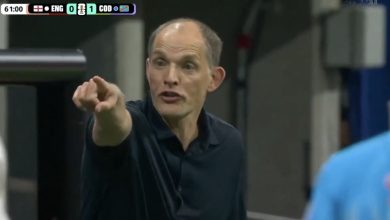
England’s Most Valuable Stars Face Possible World Cup Ban Ahead of Norway Quarter-Final as FIFA Issues Statement Over Alleged USA Rule Violation, Leaving Fans Stunned

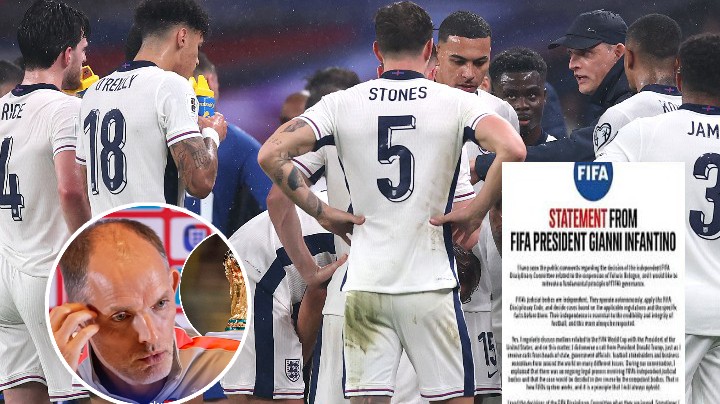
The 2026 FIFA World Cup has delivered drama both on and off the pitch, but few moments have captured global attention quite like the current storm surrounding England’s squad. As the Three Lions prepare for a high-stakes quarter-final clash against Norway in Miami on July 11, several of their most valuable and influential players are walking a disciplinary tightrope. A single yellow card could sideline them for a potential semi-final, amplifying the tension ahead of what promises to be a thrilling encounter.
Compounding the anxiety is a broader controversy involving FIFA’s handling of disciplinary matters, particularly a high-profile decision regarding United States striker Folarin Balogun. FIFA’s recent statement and actions have sparked accusations of rule violations and political interference, leaving fans around the world stunned and questioning the integrity of the tournament. This perfect storm of on-field risks and off-field scandals has turned the spotlight squarely on England’s preparations.
The Disciplinary Tightrope: England’s Key Men at Risk
Due to the expanded 48-team format of the 2026 World Cup, FIFA introduced adjustments to yellow card accumulation rules to manage the increased number of matches. Yellow cards are reset after the group stage and again after the quarter-finals. However, players who pick up bookings in the knockout stages face immediate consequences for subsequent rounds.
For England, this means several stars are just one mistimed challenge or protest away from missing a potential semi-final. The list includes:
Jude Bellingham: The Real Madrid midfielder, often hailed as one of the world’s most complete talents, has been instrumental in England’s campaign. His creativity, leadership, and box-to-box energy make him indispensable. A booking against Norway would rule him out of the semi-final, a massive blow given his proven ability to deliver in big moments.
Declan Rice: The Arsenal anchor in midfield provides defensive solidity and progressive passing. Rice picked up a yellow early in the dramatic 3-2 win over Mexico. Another caution would sideline him for the next round, weakening England’s control in central areas.
Marc Guehi: The Chelsea defender has been a rock at the back. His composure under pressure is vital against Norway’s potent attack.
Nico O’Reilly: The emerging talent adds depth and dynamism, but like his teammates, he must tread carefully.
Jordan Henderson is also mentioned in reports, though injury concerns may keep him sidelined regardless.
England manager Thomas Tuchel faces a tactical dilemma. How does he balance the need for intensity against Norway with the risk of suspensions? Players like Harry Kane, while not always listed in the primary risk group in every report, must also maintain discipline. The squad’s depth will be tested, but losing Bellingham or Rice could prove decisive in a tournament where margins are razor-thin.
Fans have taken to social media expressing frustration and excitement in equal measure. “One yellow and we lose Jude for the semis? This expanded format is punishing,” one supporter posted, capturing the widespread sentiment. The pressure is immense, especially with Norway boasting Erling Haaland in scintillating form.
The FIFA Controversy: USA, Trump, and Alleged Rule Violations
The disciplinary concerns for England do not exist in isolation. They are overshadowed by FIFA’s handling of Folarin Balogun’s case, which has ignited fierce debate about consistency and fairness in the competition’s rules.
Balogun, the USA’s star forward, received a red card in the Round of 32 against Bosnia and Herzegovina for a challenge that many viewed as harsh. Under standard FIFA protocols, this should have resulted in an automatic one-match ban, sidelining him for the last-16 tie against Belgium. However, following a personal intervention by U.S. President Donald Trump—who reportedly called FIFA President Gianni Infantino urging a review—FIFA suspended the ban for a year on probation. Balogun was cleared to play, helping the USA advance.
FIFA issued a statement defending the decision, emphasizing its commitment to fairness and the ability to review exceptional cases. Critics, however, allege this constitutes a violation of established rules prohibiting external interference. UEFA has strongly condemned the move as “unprecedented, incomprehensible,” and a threat to the integrity of the game. Belgium’s football federation appealed, but the decision stood.
The ripple effects are significant. England coach Thomas Tuchel publicly questioned the precedent: “Where does this start and where does this end? Can we appeal every decision now?” After Jarell Quansah’s red card in the Mexico match, Tuchel wondered aloud if similar leniency might apply. Reports suggest the Football Association has considered appeals, though details remain limited.
This controversy has left fans stunned. Social media is flooded with memes, outrage, and conspiracy theories. Some accuse FIFA of favoritism toward the co-hosts (USA), while others point to historical inconsistencies in disciplinary rulings. The perception of political influence—Trump’s involvement being the most cited example—has eroded trust. “If one player gets a free pass because of a phone call, what about the rest of us?” asked one England fan forum.
Historical Context and Broader Implications
World Cups have always had their share of controversies, from disallowed goals to refereeing scandals. However, the 2026 edition, with its expanded format and geopolitical undertones (co-hosted by USA, Canada, and Mexico), feels particularly charged. The Balogun case is not without precedent—FIFA has occasionally deferred bans—but the high-profile political element and timing have amplified scrutiny.
For England, the stakes are personal. The squad features a golden generation of talent: Bellingham, Rice, Kane, Phil Foden, and others. Reaching the semi-finals or beyond has been a long-standing goal since the 1966 triumph. A suspension could derail momentum built through gritty wins over Mexico and others.
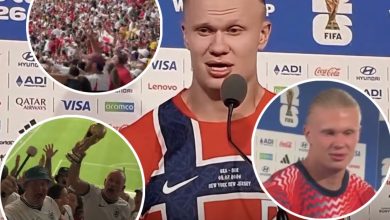
Norway, meanwhile, enters as dangerous underdogs. Led by Haaland, who has been prolific, they stunned Brazil earlier and represent a formidable attacking threat. The quarter-final in Miami’s Hard Rock Stadium will blend tactical battles with physicality. England must navigate not just Norway’s stars but their own internal disciplinary constraints.
Fan Reactions and the Human Element
The emotional toll on fans cannot be overstated. England supporters, known for their passionate loyalty, are torn between optimism and anxiety. “We’ve got the players to win it all, but these rules and FIFA nonsense are making it harder,” reads one popular post. Families planning watch parties, pubs gearing up for packed crowds, and social media buzzing with predictions—all reflect the tournament’s grip on the national psyche.
Players themselves feel the weight. Bellingham, in particular, has spoken in past interviews about maintaining focus amid external noise. Rice’s leadership in midfield will be crucial for organizing the team and avoiding needless fouls.
Experts suggest Tuchel may opt for a more controlled approach initially, relying on squad rotation where possible, though knockout football rarely allows such luxuries. Training sessions reportedly emphasize discipline and composure.
Looking Ahead: Quarter-Final Showdown and Tournament Integrity
As kickoff approaches, all eyes are on Miami. England vs. Norway promises goals, given both teams’ attacking prowess—Kane vs. Haaland, Bellingham’s midfield mastery against Norway’s dynamic setup. A victory would propel England toward a semi-final, potentially in Atlanta, but without key players if cards are shown.
The FIFA statement on the USA matter has broader ramifications. It raises questions about future appeals, referee autonomy, and the role of politics in sport. Will other nations seek similar interventions? How will FIFA maintain credibility moving forward?
Analysts predict this could be a watershed moment. Calls for clearer guidelines on suspensions and independent review processes are growing. For now, the focus remains on the pitch, where England’s stars must deliver without crossing the disciplinary line.
Conclusion: A Tournament Defined by Tension
The headline-grabbing risks facing England’s most valuable stars—Bellingham, Rice, and others—combined with the shockwaves from FIFA’s decisions, have created an unprecedented narrative. Fans are stunned, pundits are divided, and the players are under immense pressure.
This quarter-final is more than a match; it’s a test of resilience, strategy, and character. England has the talent to go far, but avoiding cards and navigating the off-field controversies will be paramount. Norway will be no pushovers, and the world will be watching to see if justice and fair play prevail both on and off the field.
Whether England advances with a full-strength squad or battles suspensions, one thing is certain: the 2026 World Cup continues to deliver unforgettable drama. As the Three Lions step onto the pitch in Miami, the hopes of a nation—and the scrutiny of the football world—rest on their disciplined shoulders.