Scotland’s Post-Clarke Era: Reflections on Leadership Change and the Path Ahead Following World Cup Exit

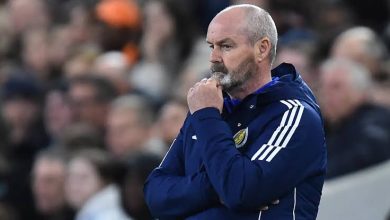
Steve Clarke’s resignation as Scotland head coach, confirmed shortly after the team’s group-stage elimination from the 2026 World Cup, has prompted widespread discussion about the future direction of the national side. While early speculation has swirled around potential successors, including several prominent figures with strong English football connections, no appointment has been made. The Scottish FA now faces the task of selecting a coach capable of building on Clarke’s qualifying successes while addressing the challenges exposed on the global stage.60782836dbc4
espn.com
bbc.co.uk
This moment represents more than a simple managerial change. It caps a seven-year period that redefined Scotland’s international standing and invites a measured assessment of what comes next.
Timeline of Events and Key Campaign Moments
Clarke took charge in 2019 and quickly stabilised a squad that had endured inconsistent results. Milestones included qualification for Euro 2020 (played in 2021), Euro 2024, and the 2026 World Cup — the latter marking Scotland’s first appearance at the tournament since 1998. His side secured vital wins in qualifying campaigns through disciplined organisation and key individual contributions.29992f
en.wikipedia.org
In the 2026 World Cup Group C, Scotland picked up three points with a hard-fought 1-0 victory over Haiti. However, losses to Morocco and Brazil highlighted gaps in attacking penetration and defensive solidity against elite opposition. Elimination was mathematically confirmed following other group results, leading directly to Clarke’s decision to step down. The timing — hours after the exit — surprised many, given his recent contract extension, but reflected a desire to allow a fresh start.1efdc6
theguardian.com
Statistically, Clarke oversaw 81 matches with a 44% win rate. Scotland kept clean sheets in crucial qualifiers and developed a core of players comfortable in high-stakes environments. Yet the World Cup campaign yielded just one win and exposed vulnerabilities in transition play and depth when key players were fatigued or marked tightly.
In-Depth Tactical and Squad Evaluation
Clarke’s philosophy prioritised structure, pressing triggers in midfield, and set-piece proficiency. Formations often featured compact blocks designed to frustrate opponents, with full-backs like Andy Robertson providing width and overlapping runs. This approach proved effective in UEFA competitions but required greater adaptability in the expanded World Cup format.462e87
bbc.com
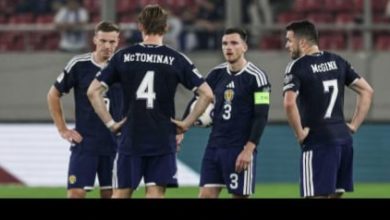
Squad decisions under Clarke balanced experience with occasional youth injections. Veterans provided leadership, while emerging talents gained valuable exposure. Areas for improvement include central creativity and clinical finishing — issues that surfaced against technically superior teams. Player histories, such as Robertson’s consistent club form at Liverpool and McTominay’s versatility, underscored the talent available, yet integration and tactical flexibility remain ongoing projects.
A new coach will likely evaluate whether to retain this defensive foundation or shift toward more possession-dominant football. Historical context is instructive: Scotland have long excelled in qualifying grit but struggled for breakthroughs at major finals. Trends in modern international football favour hybrid styles that combine intensity with technical precision, a balance the next appointment must strike.
Fan Reactions Across the UK and Nigerian Perspectives
The Tartan Army’s response has been characteristically passionate yet respectful. Many supporters have thanked Clarke for restoring competitiveness and major-tournament participation, with social media filled with messages highlighting improved team spirit and memorable nights in qualifiers. Disappointment over the World Cup exit is tempered by recognition of progress since the pre-Clarke era.4d6442
youtube.com
Broader UK football discourse views the situation pragmatically. Commentators note the structural challenges facing smaller nations, including fixture congestion for Premier League-based players and development pathways. Calls for investment in youth academies and coaching education are common, reflecting wider debates in English and Scottish football.
From a Nigerian lens, Scotland’s story resonates with fans of the Super Eagles and African talents in the UK. Players with dual heritage or those plying their trade in Britain often draw parallels between national team rebuilds. The diaspora appreciates how Clarke integrated diverse squad elements, and many follow potential successors — particularly those with Premier League pedigrees — for their potential impact on African players’ opportunities. Nigerian football communities frequently discuss how nations like Scotland can maximise limited resources, offering lessons for Super Eagles planning.
Broader Implications for Scottish Football and Player Careers
The vacancy arrives at a critical juncture. With the Nations League on the horizon, a swift appointment is desirable to maintain momentum. Potential candidates range from experienced domestic or British coaches to higher-profile names with international experience. Each brings different strengths: some offer tactical evolution, others squad motivation and media appeal.14fd37
metro.co.uk
For players, uncertainty can be motivational or destabilising. Established stars may welcome a fresh voice to push for knockout-stage ambitions, while younger squad members could benefit from a coach focused on development. Historically, managerial changes in Scotland have sometimes accelerated progress when aligned with squad cycles, as seen in past successful qualification drives.
At the organisational level, this transition tests the Scottish FA’s vision. Issues such as player pathways, facilities, and competitive calendar balance will influence long-term success beyond any single coach. Clarke’s legacy includes stronger institutional stability and fan reconnection; preserving these while innovating will be key.
Financial and reputational implications are also notable. Major tournaments boost commercial interest, and maintaining that platform requires sustained competitiveness. For the wider UK game, Scotland’s performance influences home nations’ dynamics and talent identification.
Looking Forward: Opportunities in the Next Cycle
As Scotland prepares for the post-Clarke chapter, the emphasis should remain on realistic ambition. The squad possesses quality capable of challenging for qualification, provided tactical refinement and squad depth improve. Insights from the 2026 campaign — better rotation, enhanced attacking options, and mental resilience in tight matches — can inform the next phase.
Fans and analysts alike anticipate a process that values both continuity and necessary change. Whether the incoming coach favours evolution or bolder shifts, the goal remains elevating Scotland toward consistent knockout contention. With a passionate supporter base and talented playing pool, the ingredients for future success are present.
The coming months will clarify the direction, but one certainty endures: Scottish football’s resilience and the Tartan Army’s unwavering support will shape whatever follows. Clarke departs with credit for elevating standards; the challenge now is to surpass them.