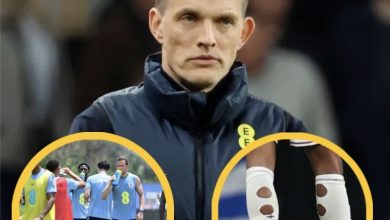
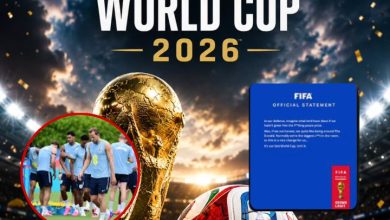
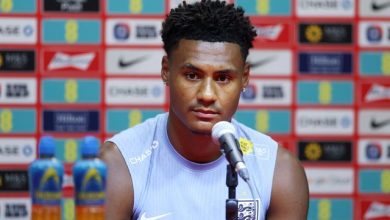
THOMAS TUCHEL AXES ENGLAND MOST IMPORTANT PLAYER FROM SQUAD HOURS BEFORE PANAMA GAME

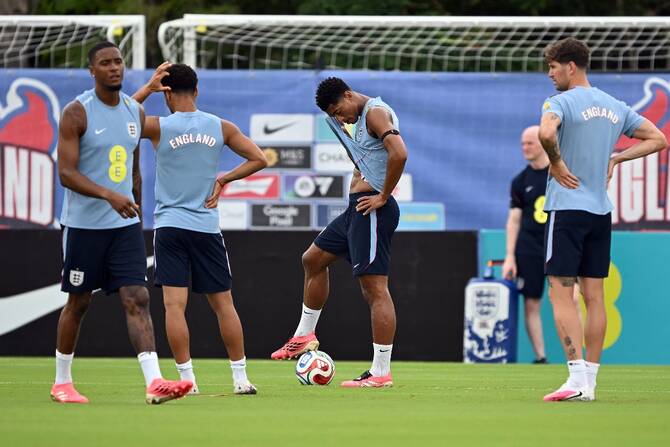
In a stunning late twist on the eve of England’s final Group L fixture at the 2026 FIFA World Cup, head coach Thomas Tuchel made the dramatic decision to remove one of his squad members just hours before facing Panama at the MetLife Stadium in New Jersey. The move has sent shockwaves through the England camp, the media, and fans back home, raising fresh questions about team discipline, selection hierarchy, and Tuchel’s uncompromising management style as the Three Lions seek to secure top spot in the group.
England entered the match against Panama needing at least a point to guarantee progression to the knockout stages, having recorded a solid but unconvincing 4-2 win over Croatia followed by a frustrating 0-0 draw against Ghana. Tuchel, who took charge in January 2025 with the clear mandate of ending England’s long wait for major silverware, has repeatedly emphasised the need for total focus, professionalism, and collective buy-in. This latest bombshell drop suggests that, even at this critical juncture, no player is untouchable if standards slip.
The timing could hardly be more dramatic. With kick-off approaching and the squad already in the final stages of preparation at their base near the stadium, sources close to the team revealed that the player in question was informed of his exclusion during a private meeting with Tuchel and senior staff. The decision reportedly stemmed from a combination of factors observed during training sessions and the player’s overall contribution in the tournament so far. Insiders described the atmosphere in the camp as one of “quiet determination mixed with surprise,” as teammates processed the news while focusing on the task at hand against an already-eliminated Panama side.
**The player at the centre of the storm is Marcus Rashford.**
The Manchester United forward, who has rebuilt his club career impressively on loan at Barcelona this season, found himself axed from the matchday squad in a call that few pundits or fans had anticipated. Rashford, who returned to the international fold after being overlooked for Euro 2024, had been expected to provide width and attacking threat from the left flank, especially with Bukayo Saka managing a niggling Achilles issue. His exclusion raises eyebrows given his pedigree and the limited options in wide areas following other injury concerns.
Rashford’s international journey under Tuchel has been one of cautious reintegration. After a difficult period at club level in previous seasons, the forward’s move to Spain breathed new life into his form, delivering consistent performances that earned him a recall. In the build-up to the World Cup, he featured prominently in friendlies, showcasing his trademark pace, direct running, and ability to stretch opposition defences. Many viewed him as a strong candidate for impact substitute or even starter against lower-ranked sides like Panama, where his ability to exploit space on the counter could prove decisive.
However, sources within the England setup indicate that Rashford’s conduct and application during the recent training camps fell short of Tuchel’s exacting standards. Reports suggest there were concerns over his intensity in certain sessions, particularly in the high-pressing drills that have become a hallmark of the German coach’s tactical approach. While no major off-field incident has been publicly confirmed, whispers of “lax attitude” and “not fully committed to the collective plan” circulated among staff. Tuchel, known for his no-nonsense German efficiency and tactical rigidity, has made it clear since taking the job that he demands 100% buy-in at all times.
This is not the first time Tuchel has made bold calls. During the squad announcement process earlier in the year, he shocked many by omitting high-profile talents such as Phil Foden and Cole Palmer, prioritising team balance, work rate, and tactical fit over pure star power. Trent Alexander-Arnold’s continued absence from the setup further highlighted the manager’s willingness to make unpopular decisions. Rashford’s late exclusion fits into this pattern – a ruthless enforcement of standards when the stakes are highest.
For Rashford personally, the news is a bitter pill. At 28, he had hoped this World Cup would serve as a platform to silence lingering doubters and cement his legacy with England. His club form at Barcelona had shown glimpses of his best self – clinical finishing, intelligent movement, and leadership qualities on the pitch. Being dropped so close to a winnable fixture against Panama, a team England thrashed 6-1 in their only previous World Cup meeting in 2018, will sting deeply. It remains to be seen whether this is a one-off disciplinary measure or the beginning of a deeper rift.
Tuchel addressed the media briefly before the match, maintaining his characteristically composed demeanour while refusing to delve into specifics about individual players. “We have a clear plan and everyone in the squad knows what is expected,” he said. “The focus is entirely on the team and performing for England. Individual situations are handled internally.” When pressed on the timing, he added: “Hours before the game is never ideal, but the preparation and the standards come first. We adapt.” His comments left journalists speculating wildly, with some interpreting the move as a message to the entire squad: complacency will not be tolerated.
The decision has immediate tactical implications. With Rashford out, Tuchel is expected to lean on alternatives such as Noni Madueke on the right or Anthony Gordon shifting across. Marcus’s absence opens the door for younger or hungrier players to impress, potentially altering the dynamic of England’s attack. Harry Kane remains the focal point up front, supported by Jude Bellingham’s dynamism in midfield, but the left-sided creativity will now need to come from elsewhere. Nico O’Reilly at left-back could also push forward more aggressively to compensate.
Panama, already eliminated after narrow defeats to Ghana and Croatia, will approach the game with nothing to lose but plenty of pride on the line. Coach Thomas Christiansen’s side typically sits deep in a compact 5-4-1 or similar defensive block, looking to frustrate superior opponents and hit on the break. For England, this should be an opportunity to rack up goals and build momentum ahead of the last 16, but the late drama has added an unwanted layer of distraction. Fans in the stadium and watching worldwide will be eager to see how the team responds on the pitch.
Broader questions emerge about squad harmony. England’s campaign so far has been solid on paper but lacking the fluency many expected from a group featuring world-class talents like Kane, Bellingham, and Declan Rice (fitness permitting). The 0-0 against Ghana exposed issues with clinical finishing and creativity against packed defences – precisely the kind of game where Rashford’s attributes could have been valuable. His exclusion might energise the group or, conversely, create tension if perceived as overly harsh. Past England squads have occasionally fractured under similar selection pressures; Tuchel will need to manage perceptions carefully.
From a wider perspective, this incident underscores the intense scrutiny on modern international football. Players operate under immense pressure from clubs, national teams, sponsors, and social media. Rashford has long been praised for his maturity and off-field work, making this development all the more surprising to many observers. Supporters on social platforms have reacted with a mix of outrage, support for Tuchel’s decisiveness, and calls for transparency. Some argue it shows strong leadership; others see it as destabilising so close to a crucial match.
As the clock ticked down to kick-off at MetLife Stadium, the focus shifted back to football. England are favourites to top the group and advance comfortably, but Tuchel knows that any slip could invite criticism. A strong performance without Rashford could validate the coach’s call, while a lacklustre display might prompt accusations of unnecessary disruption. The player himself is likely to be left reflecting on what went wrong and how to respond – whether through renewed training commitment or, in the worst case, watching from the sidelines for the remainder of the tournament.
This episode also highlights Tuchel’s evolution as England manager. Arriving with a reputation for tactical innovation and man-management from stints at Chelsea, PSG, and Bayern Munich, he has adapted to the unique demands of the national team role. Building cohesion in short camps, balancing club loyalties, and instilling a winning mentality have been ongoing challenges. Bold calls like this one define his tenure and will be remembered regardless of the final outcome in 2026.
Looking ahead, England’s knockout path could hinge on momentum gained in this group stage. Securing a convincing win over Panama would set a positive tone, potentially easing any lingering awkwardness in the dressing room. For Rashford, the coming days and weeks will be critical. A return to form at club level and a mature response could see him reintegrated, but repeated issues might limit his international future under this regime.
In the end, football at this level is unforgiving. Tuchel’s decision, however controversial, reflects his belief that only total commitment will deliver the elusive trophy. As the teams prepare to step onto the pitch, all eyes will be on whether England can channel any internal drama into a focused, professional display against Panama – and whether the axed player’s absence proves a masterstroke or an unnecessary gamble. The World Cup continues to deliver drama, both on and off the field.