ALONSO BREAKS SILENCE AS CHELSEA CALL FOR FA INVESTIGATION AFTER SUNDERLAND DEFEAT
The rain was still falling over the Stadium of Light as the final whistle echoed around the stands. Sunderland 1, Chelsea 0. Another difficult afternoon on the road for the Blues. Another set of frustrated faces heading down the tunnel. Another round of questions that refuse to go away.
For large parts of the Premier League season so far, Xabi Alonso’s Chelsea have looked like a side still searching for their identity. Moments of genuine quality mixed with frustrating lapses. Days when everything clicks, and days when the ball simply will not do what the players ask of it. Sunday’s trip to the North East fell firmly into the second category.
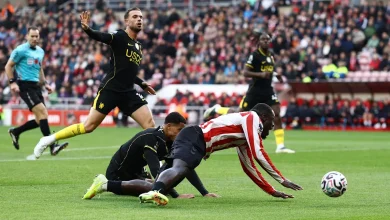
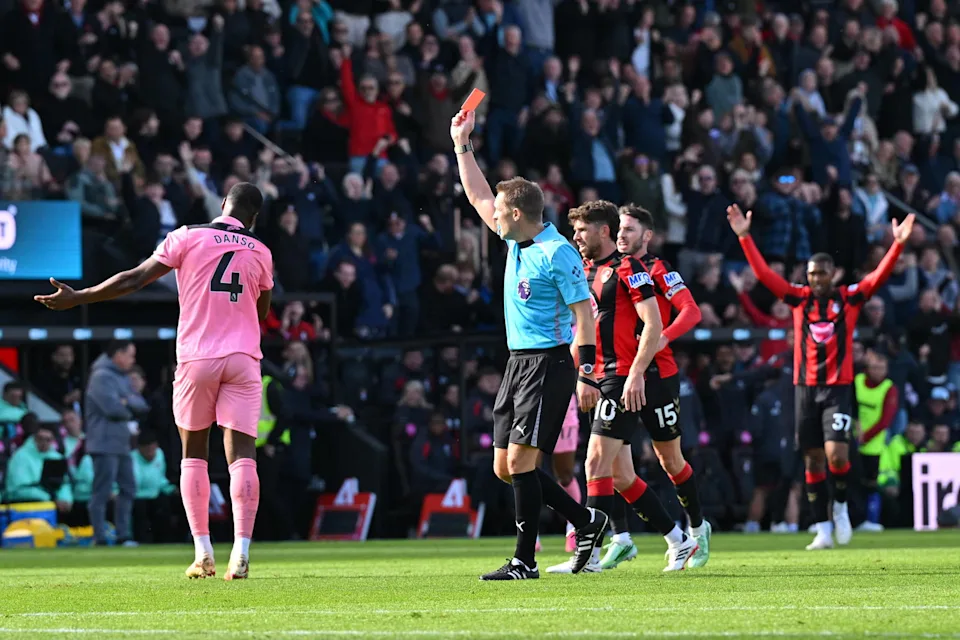
Sunderland arrived full of belief, organised, physical, and clearly motivated by the chance to take points off one of the division’s bigger names. Chelsea, missing key personnel and short on rhythm, struggled to impose themselves. The decisive moment arrived from the penalty spot – a decision that immediately divided opinion both inside the stadium and across social media. One side of the argument insisted the contact was clear and the award correct. The other claimed it was soft, outside the area, or simply not enough to warrant a spot-kick. VAR checked. The decision stood. The home crowd roared. Chelsea players protested. Alonso stood on the touchline with that familiar expression of controlled fury.
By full time the narrative had already begun writing itself. Another away defeat. Another afternoon of questions about refereeing standards. Another difficult press conference on the horizon. Yet what unfolded in the hours that followed may prove far more significant than the result itself.
In the dressing room, sources close to the club suggest the mood was grim. Players who had given everything felt the officials had cost them. Staff who pride themselves on preparation were left wondering whether the margins had been fair. Alonso, known for his measured public demeanour, is understood to have addressed the group briefly before turning his attention to the media obligations that come with the job.
When he finally emerged, the Chelsea manager chose his words carefully. He spoke about the performance, about the need to improve, about the international break offering a chance to reset. He acknowledged Sunderland’s organisation and the difficulty of the fixture. He refused to make excuses. And then, almost as an afterthought, he allowed a glimpse of the frustration that had clearly been building.
Those who know Alonso best say the Spaniard rarely loses his composure in public. He prefers analysis over emotion, structure over spectacle. That is part of what made him an attractive appointment in the first place – a coach who projects calm authority even when results are not going his way. Yet even the most composed figures have limits.
Across the Premier League this season, conversations about consistency in decision-making have grown louder. Managers from multiple clubs have voiced concerns. Players have taken to social media. Pundits have debated the same clips from every possible angle. The introduction of technology was supposed to reduce controversy. In many cases it has simply shifted the arguments into new territory. Was the contact sufficient? Was the angle clear enough? Did the referee on the pitch have a better view than the monitors? Every weekend produces fresh material for the endless debate.
Chelsea supporters, already restless after a mixed start to the campaign, took to the usual platforms in large numbers. Some directed their anger at individual officials. Others pointed to a perceived pattern of decisions going against the club in recent weeks. A smaller but vocal group urged the hierarchy to take a stronger public stance. In the modern game, silence is often interpreted as acceptance. Alonso’s public comments, measured as they were, appeared to signal that acceptance was no longer an option.
Behind the scenes, conversations continued long after the final whistle. Club officials reviewed footage. Performance analysts logged every contentious moment. Legal and regulatory teams considered the proper channels for raising formal concerns. In English football, the Football Association remains the body responsible for maintaining the integrity of the game. When clubs believe that integrity has been compromised – whether through individual errors, systemic issues, or events that occur after the match itself – the FA is the natural destination for those complaints.
What exactly those “events after the match” entailed has become the subject of intense speculation. Some reports speak of heated exchanges in the tunnel. Others mention confrontations involving members of staff. Still others claim that certain comments made in the heat of the moment crossed lines that the authorities cannot ignore. None of these details have been officially confirmed. All of them have fuelled the sense that Sunday’s fixture did not end cleanly when the referee blew for full time.
The timing could hardly be more delicate. Chelsea head into the international break with work to do. The table remains tight. Expectations at Stamford Bridge have not diminished simply because the side is still finding its rhythm under a new manager. Alonso himself has repeatedly stressed the need for patience and process. Yet patience has its limits when supporters begin to feel that external factors are undermining the team’s efforts.
Rival fans, of course, have been quick to dismiss the complaints as typical big-club entitlement. Sunderland, for their part, will simply enjoy a hard-earned three points and the boost it provides. The Black Cats earned their victory through organisation, desire, and clinical execution of the one clear opportunity that came their way. From their perspective, the result was just. The rest is noise.
Yet noise has a way of growing. In the days ahead, every interview, every training-ground update, and every social-media post will be scrutinised for signs of further escalation. Will Alonso maintain his measured tone, or will the pressure of results push him toward more pointed criticism? Will the club choose to pursue the matter through official channels, or will the issue fade as attention turns to the next fixture? And what, precisely, does the manager believe requires investigation?
Those answers began to emerge more clearly as the evening wore on. In a carefully worded statement and subsequent comments relayed by those present, Xabi Alonso made his position unmistakable. The Chelsea manager is understood to have formally requested that the Football Association examine a series of controversial incidents that occurred both during and after the match at the Stadium of Light. The request is said to cover the key refereeing decisions that influenced the outcome, as well as alleged conduct in the tunnel and surrounding areas once the players had left the pitch.
According to individuals familiar with the process, Alonso believes the cumulative effect of these events warrants independent review. He is not, sources insist, seeking to overturn the result. Rather, he wants clarity, consistency, and accountability – the same standards he demands of his own players every week. Whether the FA agrees that further investigation is necessary remains to be seen. Formal complaints of this nature are not uncommon, but high-profile cases involving a manager of Alonso’s standing inevitably attract greater attention.
For Chelsea supporters desperate for signs of progress, the development offers a different kind of drama. For neutrals, it provides yet another chapter in the never-ending conversation about refereeing standards in the Premier League. And for Alonso himself, it represents a rare public line in the sand. The Spaniard has preferred to let his team do the talking on the pitch. On this occasion, the events of a difficult afternoon in Sunderland left him feeling that silence was no longer sufficient.
The coming days will reveal whether the FA opens a formal inquiry, issues a response, or allows the matter to rest. In the meantime, Chelsea must regroup, recover, and prepare for the challenges that await after the international break. The result at the Stadium of Light cannot be changed. The questions it has raised, however, may linger far longer than anyone expected when the final whistle first blew.
One thing is already clear: Xabi Alonso is not prepared to let the controversy simply disappear. The demand has been made. The football world is watching. And the story is only just beginning.