Scotland’s World Cup dream suffered a major setback after their painful 3-0 defeat against Brazil, and the aftermath has left supporters questioning what exactly went wrong on one of the biggest nights in the nation’s recent football history. While the result itself was disappointing, the conversations that followed have focused heavily on the tactical decisions made by manager Steve Clarke and the emotional reaction from members of the Scotland squad.
The defeat against Brazil was always going to be one of Scotland’s toughest assignments. Facing one of the tournament favorites required discipline, organization, and courage. However, many supporters felt that Scotland entered the contest with a cautious approach that limited their attacking threat and placed enormous pressure on the defense.
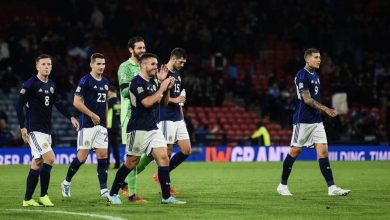
As the final whistle blew, the disappointment was visible throughout the Scotland camp. Several players appeared devastated, while supporters inside the stadium could only watch as their hopes of progressing suffered a significant blow.
For many fans, the central talking point quickly became Steve Clarke’s tactical choices.
Scotland had entered the tournament with optimism after defeating Haiti in their opening match. Despite losing narrowly against Morocco, supporters still believed the team had an opportunity to compete strongly against Brazil. Instead, Scotland struggled to create meaningful chances and spent long periods defending deep inside their own half.
Many observers questioned whether the team showed too much respect toward Brazil.
The decision to adopt a conservative system generated debate among supporters and pundits alike. Some believed Scotland should have pressed higher up the pitch, while others argued that opening up against Brazil could have led to an even heavier defeat.
Regardless of the tactical debate, the emotional impact on the players was obvious.
Several senior players appeared visibly upset after the match. Cameras captured members of the squad standing motionless at full time, while others applauded supporters who had traveled thousands of miles to support the team.
The emotional scenes highlighted how much this World Cup meant to the players.
Scotland’s return to the World Cup after a lengthy absence had created tremendous excitement throughout the country. Supporters believed this generation had an opportunity to make history, and expectations had steadily grown after the opening victory.
Against Brazil, however, Scotland struggled to impose themselves.
Brazil controlled possession, moved the ball quickly, and exploited defensive spaces. Scotland’s midfield found it difficult to maintain possession, and the attacking players received little service.
The result led to criticism from sections of the fan base, with some questioning whether Clarke should have been more adventurous.
Others defended the manager, pointing out Brazil’s exceptional quality and arguing that Scotland simply faced a superior opponent.
Steve Clarke himself admitted after the game that his team made mistakes and that certain goals could have been avoided. The manager accepted responsibility while also praising the effort and commitment shown by his players.
That honesty earned respect from some supporters, although questions remain regarding future tactical approaches.
The emotional reaction from players reflects the enormous desire within the squad to succeed. Footballers invest years preparing for opportunities like the World Cup, and losing such an important match naturally creates frustration.
Any disappointment regarding tactical decisions should be viewed within the context of players desperately wanting to contribute and help their country achieve success.
Scotland’s supporters have continued to stand behind the team despite the setback. The Tartan Army once again demonstrated remarkable loyalty, creating a memorable atmosphere and supporting the players until the final whistle.
Their backing remains one of the greatest strengths of Scottish football.
Attention now turns toward the future.
Questions will continue regarding team selection, tactical systems, and whether Scotland should adopt a more attacking approach against elite opposition. These discussions are natural after major tournament defeats.
What cannot be questioned is the commitment of the players and staff.
The pain felt after the Brazil defeat shows how much representing Scotland means to everyone involved. The disappointment inside the dressing room reflects a group of players who genuinely believed they could compete at the highest level.
Whether Scotland ultimately progresses or exits the tournament, the experience gained during this World Cup campaign could prove invaluable for the future.
Young players have experienced the pressure of major international football, while senior figures have shown leadership during difficult moments.
For Steve Clarke, the coming weeks may bring scrutiny, but they also provide an opportunity to reflect, rebuild, and prepare the team for future challenges.
Football often delivers heartbreak before success.
Scotland’s supporters know this better than most, and while the defeat against Brazil hurts deeply, it may also become a valuable lesson for a squad determined to compete with the world’s best teams.
The emotion, frustration, and disappointment seen after the match underline one simple truth: everyone connected with Scotland desperately wanted a different outcome.
That heartbreak may hurt today, but it could also become the motivation that drives Scotland forward in the years ahead.