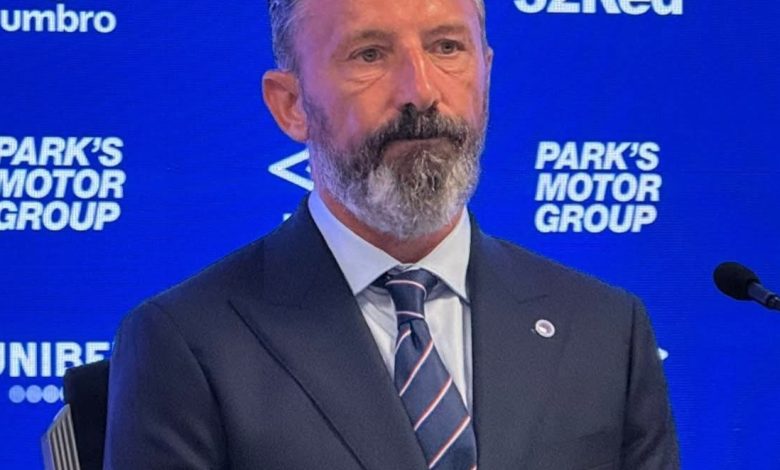
In the high-stakes world of Scottish football, where rivalries simmer and managerial tempers frequently boil over, few figures embody intensity quite like Derek McInnes. The Rangers manager, a man whose career has been defined by resilience, tactical pragmatism, and the occasional volcanic outburst, has once again found himself at the centre of controversy. This time, the target of his ire appears linked to perceived disrespect toward the Gers from the St Mirren camp, culminating in a pointed, no-holds-barred response that has the Scottish game talking. While exact post-match transcripts from the August 16, 2026 Premier Sports Cup clash continue to circulate in the media echo chamber, the broader narrative of McInnes confronting challenges—both on and off the pitch—paints a vivid picture of a manager under pressure yet unwilling to yield an inch when he feels his club’s standing is undermined.

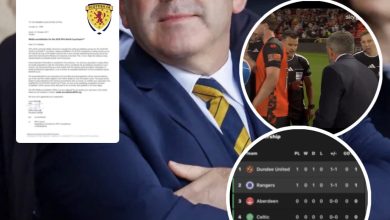
McInnes arrived at Ibrox in the summer of 2026 carrying the weight of expectation that comes with managing one of Scotland’s two dominant forces. After a successful spell at Hearts that nearly delivered the Premiership title—thwarted in dramatic fashion by Celtic—the Paisley-born coach returned to his boyhood club with a clear mandate: restore competitiveness, inject steel, and challenge for silverware. His early weeks, however, proved anything but smooth. A touchline ban stemming from comments made while still at Hearts, in which he branded a late Celtic penalty at Motherwell “disgusting,” sidelined him for key early fixtures. The Scottish FA’s ruling—a four-match suspension with one suspended—forced McInnes into the stands for the opening domestic games, including the scheduled league meeting with St Mirren later in August. Rangers publicly backed their man and appealed, arguing the remarks targeted a decision rather than officials’ integrity or competence, and pointing to inconsistent application of disciplinary rule 72.
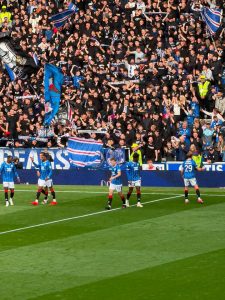
That ban, and the underlying frustration it represented, set a tone of simmering tension. McInnes has long been known for speaking his mind. During his Kilmarnock days, he repeatedly clashed with officials and opposing players in matches against St Mirren. In one memorable 2024 encounter, a 2-2 draw in Paisley, he tore into the referee for failing to send off Saints defender Shaun Rooney after what he described as a “full-blooded volley” into Kyle Vassell while the striker was on the ground. McInnes called the non-intervention “outrageous” and questioned when VAR would ever get involved if not then. He simultaneously disciplined his own player, Joe Wright, for a moment of madness that earned a red card. The episode illustrated a manager who demands standards from all parties and will not soft-pedal perceived injustices—especially when they involve physicality or respect on the pitch.
Fast-forward to the 2026/27 campaign, and St Mirren under new permanent manager Craig McLeish presented a different challenge. McLeish, elevated after guiding the Buddies to Premiership survival via the play-offs, had shifted the team’s style toward something more energetic and progressive. Pre-match comments from the Rangers camp acknowledged St Mirren’s strong early performances and their confidence after progressing in the League Cup. McInnes himself noted he had watched their recent games and recognised many of the players, signalling respect for the threat they posed. Yet the buildup carried the familiar edge that often accompanies meetings between these sides. Rangers entered the Premier Sports Cup last-16 tie at Ibrox desperate for a first competitive win under the new regime after a winless start that included Europa League disappointment and league setbacks. Home form had been particularly concerning, with boos greeting recent full-time whistles and fans demanding an immediate response.
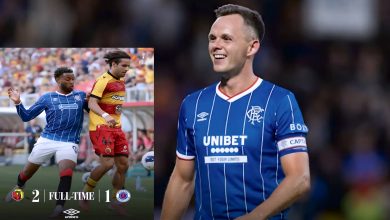
When the teams locked horns on August 16, Rangers delivered a emphatic performance, running out comfortable winners and advancing to the quarter-finals. Goals flowed as McInnes’ side finally found the cutting edge that had been missing. The result provided much-needed relief and a platform to build upon, with new signings and squad rotation showing promise. Yet in the aftermath, reports and social media chatter suggested McInnes did not simply celebrate the victory. Instead, elements of the St Mirren approach—or comments attributed to their coaching staff—appeared to strike a nerve regarding respect for Rangers. In Scottish football’s hierarchical landscape, where the Old Firm occupy a unique cultural and competitive space, any suggestion of disrespect can escalate quickly. McInnes, protective of the institution he now leads and acutely aware of the scrutiny, is understood to have responded with characteristic directness.
This is not the first time McInnes has used strong language to defend principles. His “disgusting” assessment of the Celtic penalty decision was not an isolated flare-up but part of a pattern of candid assessment when he believes the game’s integrity or competitive balance is at stake. At Hearts, those comments came amid a tight title race where every point mattered; the subsequent ban only amplified the sense that managers face uneven standards when speaking out. Rangers’ appeal statement emphasised that similar language from others had previously drawn lighter or no sanctions, raising legitimate questions about consistency. McInnes himself, after a friendly win, expressed disappointment that the punishment did not fit the “crime” and warned against a climate in which managers self-censor for fear of sanctions, especially when broadcasters pay for honest reactions.
The St Mirren episode, whatever its precise trigger, fits into this broader picture of a manager navigating dual pressures: delivering results on the pitch while managing the external narrative. Scottish football thrives on passion, but that passion can tip into confrontation. McLeish, still relatively early in his permanent tenure, has spoken of admiration for established figures including McInnes and of wanting St Mirren to play exciting, high-energy football that challenges everyone. Such ambition is healthy, yet when it collides with the expectations surrounding Rangers—especially during a transitional period—the potential for friction rises. McInnes’ response, framed in the blunt style that has defined much of his public persona, serves as both a defence of his club and a statement of intent: the Gers will not be taken lightly.
Looking deeper, the incident underscores larger themes in the modern Scottish game. VAR controversies, disciplinary consistency, managerial accountability, and the intense media spotlight all converge around figures like McInnes. His career trajectory—from Aberdeen success and European nights, through Kilmarnock survival battles, Hearts’ near-title charge, and now the Ibrox hot seat—demonstrates adaptability. Yet it also reveals a core stubbornness. He has apologised to fans after heavy defeats, demanded more from his own players, and publicly backed appeals against governing-body decisions. That same forthrightness fuels both loyalty from supporters who value authenticity and criticism from those who prefer quieter leadership.
The win over St Mirren itself carries symbolic weight. It marked McInnes’ first competitive victory as Rangers boss, arrived at a moment when pressure was mounting after four previous matches without a win, and demonstrated the squad’s ability to produce when focused. Players who had been under scrutiny contributed, new faces integrated, and the home crowd finally had something tangible to cheer. In the context of a season that still includes Conference League play-offs and a congested domestic calendar, the result buys time and confidence. Yet McInnes has been careful not to overstate progress, repeatedly emphasising that “wee moments” are insufficient and that sustained performance is required.
For St Mirren, the defeat ends their defence of the Premier Sports Cup at the last-16 stage but does not erase the progress under McLeish. Their early-season form and stylistic evolution suggest a side capable of competing more consistently. The interaction—or perceived slight—between the camps may even serve as motivation for both. In football, respect is often earned through results rather than declared; McInnes’ reaction reinforces that principle from the Rangers perspective.
Beyond the immediate flashpoint lies the ongoing challenge for McInnes at Ibrox. Transfer activity, squad cohesion, tactical evolution, and managing supporter expectations in a results-driven environment remain central. The ban episode highlighted how past comments can haunt present opportunities. The St Mirren confrontation, whether rooted in on-pitch physicality, pre- or post-match remarks, or broader narrative framing of the Gers, illustrates how quickly managerial discourse can escalate. Scottish football’s governing bodies continue to police language under rules designed to protect officials and maintain decorum, yet the line between robust opinion and sanctionable criticism remains contested terrain.
McInnes has repeatedly stressed that he does not seek to inflame situations and that his comments address decisions or performances rather than personal attacks. In the case of the Celtic penalty, he noted the moment was already a major talking point before he spoke and that he felt his language was controlled. Similar framing likely applies to any response directed toward St Mirren’s coaching staff. The bluntness of the reported reaction—“goes nuclear”—reflects both media framing and the manager’s known intensity. For Rangers fans weary of underwhelming starts, such fire may even be welcomed as evidence of fight and commitment.
As the season progresses, this episode will fade into the larger story of McInnes’ Rangers tenure. Success will be measured in points, trophies, and European progress rather than verbal sparring. Yet the capacity for the manager to defend his club’s honour remains a defining trait. Whether addressing refereeing standards, squad discipline, or perceived external disrespect, McInnes operates without a filter that many modern coaches carefully maintain. That authenticity carries risks—disciplinary action, strained relationships, heightened scrutiny—but it also generates the kind of narrative that keeps Scottish football compelling.