Martin O’Neill ‘Disappointed’ to Lose Engels but Offer Was ‘Hard to Turn Down’ — Celtic Fans Left Upset

Celtic are facing one of the biggest talking points of the summer transfer window as the club prepares to part ways with one of the midfielders who had become an increasingly important figure in the squad.
The situation is particularly frustrating because only months ago, the same player was at the centre of a completely different transfer story. Celtic had previously resisted a huge offer and made it clear that keeping him was a statement of intent. Now, circumstances have changed dramatically, and the club appears ready to accept that his time in Glasgow is coming to an end.
The latest development has left supporters with mixed emotions.
Some understand the financial logic behind the decision. Others are angry that Celtic are once again preparing to lose an important player after building expectations around a stronger squad.
The proposed deal is reportedly worth around £22 million, with the English club pushing to complete the move. Reports have indicated that the transfer is now at an advanced stage, with the player undergoing a medical ahead of the switch.
For Celtic, this is not simply another transfer.
It represents a significant change in direction.
A Transfer Saga That Has Come Full Circle
What makes the situation particularly interesting is what happened earlier in the year.
During the January transfer window, Nottingham Forest made multiple attempts to sign the midfielder. Their initial offers were rejected before the English club returned with a proposal that could have reached £25 million.
Celtic ultimately refused.
At the time, the decision was viewed as a major statement from the club. The midfielder was considered important to the team, and selling him midway through the season would have created a major problem for the manager.
The club’s decision was also welcomed by those who believed Celtic needed to show ambition rather than continually selling their best players whenever a significant offer arrived.
The argument was simple: money was useful, but keeping a key player could be even more valuable when competing for trophies and European success.
Celtic therefore decided to keep him.
But football changes quickly.
Six months later, the circumstances are completely different.
Why the Situation Has Changed
Celtic have entered another period of rebuilding, with several new players arriving and the squad undergoing significant changes.
The club has also continued to strengthen in midfield and attack, meaning the hierarchy now appears more comfortable with the idea of allowing a major player to leave.
The financial side of the deal is also impossible to ignore.
A fee in the region of £22 million represents a substantial return on Celtic’s original investment. The midfielder joined Celtic from Augsburg for a reported £11 million in August 2024, meaning a sale around the reported figure would represent a significant profit.
For a Scottish club, that kind of money is difficult to dismiss.
And that is where the debate becomes complicated.
Celtic supporters want the club to compete at the highest possible level, but they also understand that the Scottish transfer market operates very differently from the Premier League.
When an English club arrives with millions of pounds available, Celtic must decide whether keeping the player is worth more than the financial opportunity.
This time, the answer appears to be no.
The Fans Are Not All Happy
The reaction among supporters has understandably been divided.
Some fans can see why the club would accept such a significant offer. If Celtic can sell a player for roughly twice what they paid for him while simultaneously creating room in the squad for another signing, there is an obvious financial argument.
But others are asking a more important question.
Where is the ambition?
Supporters remember the frustration surrounding previous transfer windows, when Celtic appeared slow to replace important players after departures.
That history makes some fans nervous about another major exit.
The fear is not necessarily losing one individual player.
The fear is losing an important player without having an adequate replacement ready.
That concern is especially relevant because Celtic are competing domestically while also preparing for another demanding European campaign. The club needs depth, quality and experience if it wants to progress beyond simply winning the Scottish Premiership.
Selling a key midfielder and then struggling to find a replacement would immediately put pressure on the recruitment department.
The Manager’s Position Has Also Changed
Earlier this year, the manager’s position was extremely clear.
When Celtic rejected the £25 million approach, the manager publicly welcomed the decision.
The offer had been described as “really tempting”, but the manager said he was delighted that the board had refused to accept it. He also described the decision as a “major statement” from Celtic.
That tells you how highly the player was regarded at the time.
The manager believed losing him in the middle of the season could have seriously weakened Celtic.
However, the current situation is different.
The transfer window has given Celtic more time to plan, the squad has changed and the reported offer remains extremely significant.
It is therefore understandable that the manager’s position has evolved.
This is not necessarily a contradiction.
A £25 million offer in the middle of a season is very different from a £22 million offer during a summer window when there is time to recruit a replacement.
Celtic Must Get the Replacement Right
This is now the biggest issue facing the club.
If the midfielder leaves, Celtic cannot simply celebrate the transfer fee and move on.
The money has to be reinvested.
Supporters will expect the club to identify a player capable of filling the creative, technical and tactical responsibilities that are about to disappear from the midfield.
There have already been reports linking Celtic with potential replacements, while the club has also been active in bringing in new midfield options. Recent reports suggested Mika Baur had arrived as part of the squad rebuild, although he was not viewed as a direct replacement for Engels.
That distinction is important.
Replacing a squad player is one thing.
Replacing someone who has become a regular starter is completely different.
Celtic need to make sure the money generated by the sale does not simply disappear into the wider finances.
This is precisely where supporters will be watching the board.
A Major Test for the Recruitment Strategy
Celtic’s recruitment model has long involved developing players, improving them and eventually selling them for significant profits.
There is nothing inherently wrong with that approach.
In fact, it can be extremely successful.
But there is a fine line between operating a successful player-trading model and weakening the team every time a major offer arrives.
The club’s challenge is to demonstrate that it can do both.
Sell well.
Replace well.
And continue winning.
That is easier said than done.
If Celtic sell Engels for around £22 million and immediately bring in a quality replacement, most of the anger will eventually disappear.
If they sell him and fail to strengthen the midfield properly, the decision could become another source of frustration for supporters.
The Strange Twist in the Story
Perhaps the strangest part of the entire situation is that Celtic once had the opportunity to take around £25 million and refused.
At the time, that decision was praised as a demonstration of ambition.
Now, a few months later, the club is reportedly preparing to accept an offer worth less than the maximum figure previously discussed.
That is why some supporters are questioning the logic.
Could Celtic have taken the money earlier?
Would the player have been easier to replace then?
Was refusing the January offer ultimately the right decision?
There are no simple answers.
Had Celtic sold him in January, the club could have been criticised for sacrificing sporting ambitions for financial gain.
By keeping him, Celtic had the benefit of his services during the remainder of the campaign.
Now, with a major offer arriving again, the club appears ready to move forward.
And Now We Know Who Is Disappointed
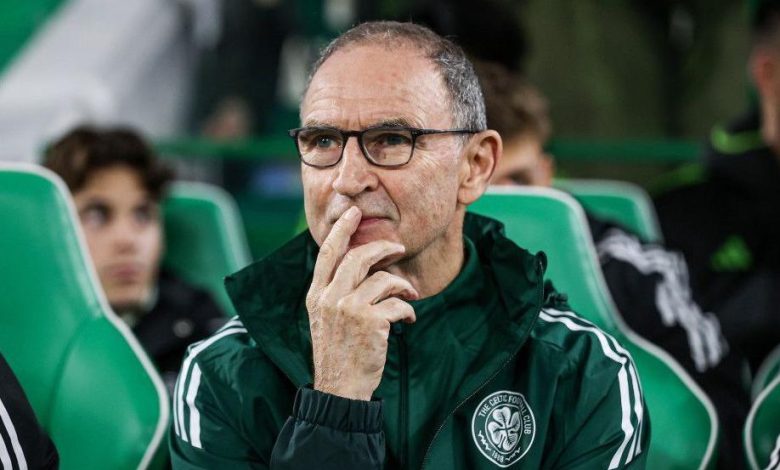
The man who has reportedly been left disappointed by the impending departure is Martin O’Neill.
The Celtic manager has made no secret of how highly he values Arne Engels. Earlier in the year, he was delighted when the club rejected the major Nottingham Forest offer and wanted to keep the Belgian midfielder as part of his plans.
But this time, the circumstances appear to have changed.
Recent reports indicate that Celtic are now resigned to Engels leaving, with West Ham closing in on a deal reportedly worth around £22 million. The latest reports say Engels has been undergoing a medical ahead of the move.
For O’Neill, losing a player he wanted to retain will naturally be disappointing.
Yet the offer is also extremely difficult for Celtic to ignore.
And that is the uncomfortable reality facing the manager.
He may not want to lose one of his important midfielders, but the financial opportunity is enormous.
For the supporters, however, the biggest question remains unanswered:
Will Celtic use the money to build a better team, or will they simply watch another important player walk through the exit door?
That answer will ultimately determine whether this departure is remembered as smart business or another frustrating example of Celtic selling when supporters wanted ambition.
For now, one thing is clear: the Engels saga has gone from Celtic refusing to sell him for a huge fee to preparing for his departure only months later.
And for Martin O’Neill and the Celtic supporters, that makes this one of the most significant transfer decisions of the summer.