Celtic Star Sent Home from Scotland Camp After Steve Clarke’s Strong Team-First Message
“I don’t want selfish players that play for themselves.”
“We’re a team. Players must put their heart into it.”
Those were the powerful words attributed to Scotland manager Steve Clarke as controversy erupted within the national team camp following the departure of a Celtic star ahead of Friday’s crucial clash against Morocco.
The incident has dominated headlines and sparked widespread debate among supporters, pundits and former internationals, with questions being asked about discipline, commitment and the culture Clarke has spent years building within the Scotland setup.
While football often celebrates individual brilliance, Clarke’s message was unmistakable: no player is bigger than the team.
A Dramatic Development
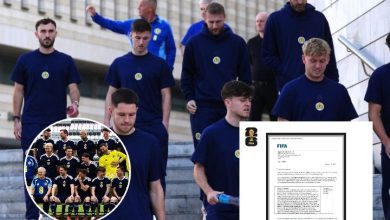
Reports emerging from the Scotland camp suggested that the Celtic player was removed from the squad and subsequently left training alone, creating an image that quickly spread across social media and sports news platforms.
The timing could hardly have been more significant. Scotland are preparing for an important encounter against Morocco, a fixture expected to test the squad’s resilience, tactical discipline and ability to perform under pressure.
Instead of discussions focusing solely on team selection and strategy, attention has shifted to the circumstances surrounding the player’s departure and what it says about standards within the national team environment.
For Clarke, however, the issue appears straightforward.
The Scotland manager has consistently emphasized collective responsibility throughout his tenure. Since taking charge, he has built a reputation for demanding professionalism, accountability and unity from every member of the squad.
Those principles have helped Scotland establish a stronger identity on the international stage and have played a significant role in the team’s recent progress.
Clarke’s Leadership Philosophy
One of Clarke’s greatest strengths as a manager has been his ability to create a strong dressing-room culture.
Modern football increasingly revolves around star players, commercial influence and personal brands. Yet successful international teams often rely on something less glamorous but equally important: trust.
Managers need players willing to sacrifice personal ambitions for the good of the group. Whether that means accepting a place on the bench, adapting to a different tactical role or putting in extra defensive work, international football demands compromise.
Clarke’s comments suggest he believes those values cannot be negotiable.
The message that “players must put their heart into it” reflects a philosophy rooted in commitment rather than reputation.
From his perspective, talent alone is not enough.
Every player selected to represent Scotland must demonstrate the desire, discipline and mentality required to contribute positively to the squad.
If those standards are not met, difficult decisions become necessary.
The Importance of Squad Harmony
History provides countless examples of talented teams failing because of internal divisions.
Football’s greatest successes are often achieved by groups whose collective spirit outweighs individual ability.
Managers at every level understand that one disruptive influence can affect an entire dressing room.
Training intensity can decline.
Morale can suffer.
Focus can shift away from upcoming matches.
Even minor disagreements can become significant distractions when media scrutiny increases.
That is why many coaches prefer to address problems immediately rather than allowing tensions to develop.
By taking decisive action, Clarke appears determined to protect the unity he believes is essential for Scotland’s success.
Such decisions are rarely popular with everyone, but they often send a powerful message to the rest of the squad.
The expectation is clear: commitment to the team comes first.
Reaction from Supporters
Unsurprisingly, reactions among Scotland supporters have been divided.
Some fans have praised Clarke for demonstrating strong leadership and refusing to compromise his principles.
They argue that maintaining discipline is crucial, especially ahead of important fixtures where concentration and togetherness can determine results.
Many supporters view the manager’s stance as evidence that standards remain high within the camp.
For them, the long-term health of the squad is more important than accommodating any individual player, regardless of talent or status.
Others, however, have questioned whether the situation could have been handled differently.
They point out that experienced players can make valuable contributions on the pitch and suggest that resolving disagreements internally might have been preferable.
Without full details of the circumstances, speculation has inevitably filled the information gap.
Yet the broader conversation highlights how passionately supporters care about both results and team culture.
Impact on the Celtic Player
For the player involved, the episode represents a challenging moment.
Representing one’s country is considered one of football’s greatest honors.
Being removed from an international squad inevitably attracts attention and raises questions about future involvement.
The player’s response in the coming weeks may prove crucial.
Professional football careers are often defined not only by moments of success but also by how individuals react to adversity.
If lessons are learned and relationships repaired, a return to the national setup could remain possible.
Many international careers have survived difficult setbacks.
Managers and players have disagreed before.
Disciplinary issues have been resolved.
Trust has been rebuilt.
What matters most is how both sides move forward.
At this stage, much will depend on communication, accountability and a shared desire to focus on football rather than controversy.
Focus Turns to Morocco
Despite the headlines, Scotland’s immediate challenge remains the upcoming match against Morocco.
The North African side has earned widespread respect in recent years through disciplined performances, tactical organization and technical quality.
Any meeting between the two nations promises to be fiercely competitive.
Scotland will need complete concentration if they are to secure a positive result.
That reality may explain why Clarke acted decisively.
International managers have limited time with their players.
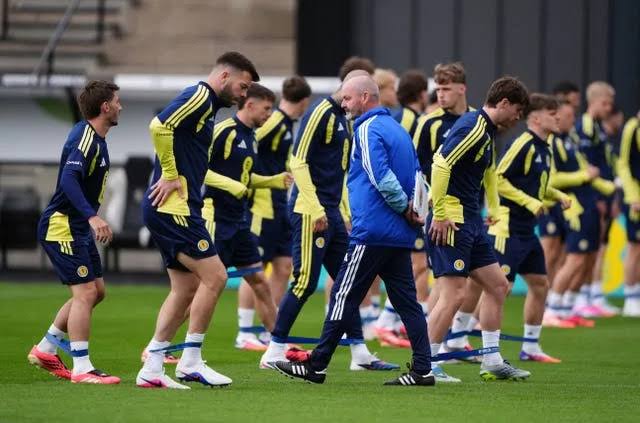
Training camps are short.
Preparation periods are brief.
Every session matters.
Anything that threatens focus can potentially impact performance.
By addressing the issue before the match, Clarke may hope to ensure that all attention returns to football.
The players remaining in the squad now face an opportunity to demonstrate their unity and professionalism on the pitch.
A Defining Moment for the Squad
Moments of controversy can sometimes strengthen teams.
Shared challenges often bring players closer together and reinforce collective objectives.
If Scotland responds positively against Morocco, discussions surrounding the squad’s discipline and character may take on a different tone.
Victory would not erase the controversy, but it would support Clarke’s argument that maintaining standards is essential.
Conversely, a disappointing performance would likely intensify scrutiny and prompt further questions regarding the decision.
Such is the reality of modern football.
Managers are judged by results as much as principles.
Nevertheless, Clarke appears prepared to accept that pressure.
His comments indicate a belief that protecting team values remains more important than avoiding criticism.
The Bigger Picture
Beyond the immediate controversy lies a broader lesson about elite sport.
Success is rarely achieved through talent alone.
Championship-winning teams, whether at club or international level, are typically built on shared purpose, trust and accountability.
Managers must constantly balance individual personalities with collective goals.
That responsibility becomes even more difficult when dealing with high-profile players accustomed to attention and expectation.
Clarke’s reported remarks reflect an old-school football belief that remains relevant today: the badge on the front of the shirt matters more than the name on the back.
It is a philosophy that has guided many successful teams throughout history.
Whether supporters agree with the decision or not, the message has been delivered clearly.
Scotland’s manager expects complete commitment from every player who enters the camp.
Anything less will not be tolerated.
Conclusion
As Scotland prepares for Friday’s showdown with Morocco, the departure of a Celtic star has become one of the most talked-about stories surrounding the national team.
The incident has generated debate, speculation and strong opinions from all sides.
Yet at the center of the story stands Steve Clarke and a simple principle.
Football may celebrate individual heroes, but international success depends on collective effort.
His message was direct and uncompromising.
“I don’t want selfish players that play for themselves.”
“We’re a team. Players must put their heart into it.”
The coming days will reveal how Scotland responds on the pitch. But regardless of the result against Morocco, Clarke has made his position clear.
For him, commitment to the team remains non-negotiable, and no player, regardless of reputation, is bigger than Scotland.