NORWAY BOSS STÅLE SOLBAKKEN WANTS KEY ENGLAND PLAYER DRUG TESTED BEFORE WORLD CUP QUARTER-FINAL

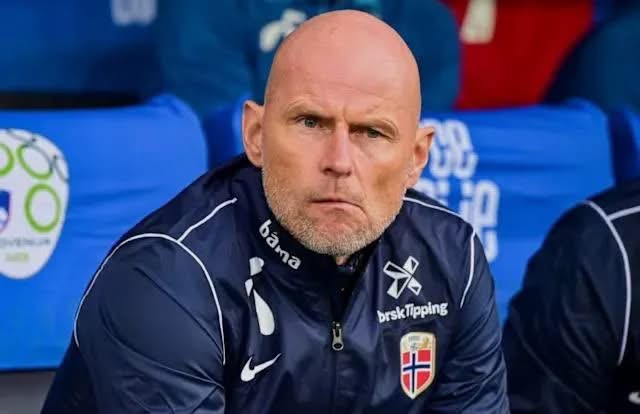
In a move that has sent ripples through the football world, Norway manager Ståle Solbakken has publicly called for a prominent England player to undergo targeted drug testing before the highly anticipated World Cup 2026 quarter-final clash between the two nations. The request, delivered during a press conference as Norway prepares to face the Three Lions in Miami, has ignited debates about fairness, anti-doping protocols, and the intense psychological warfare that often accompanies knockout stages of major tournaments.
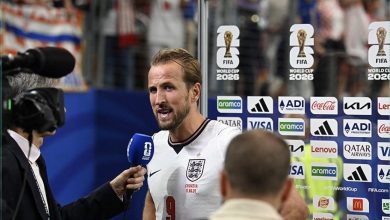
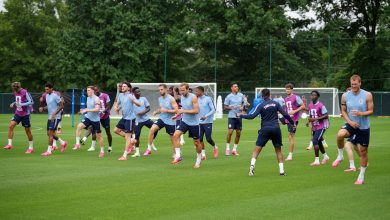
The fixture itself is already steeped in drama. Norway, riding the crest of a wave after a stunning upset victory over five-time champions Brazil in the round of 16, will meet an England side that scraped through a thrilling 3-2 win against co-hosts Mexico. With Erling Haaland and Martin Ødegaard leading a talented Norwegian squad boasting significant Premier League experience, and Harry Kane and Jude Bellingham shining for England, the matchup promises fireworks. Yet Solbakken’s comments have added an extra layer of intrigue.
Context and Solbakken’s Statement
Speaking to reporters, Solbakken stopped short of naming the player but described him as a “pivotal” figure in England’s setup whose recent performances warranted closer scrutiny under anti-doping regulations. “We have the highest respect for English football and their players,” Solbakken said. “But in a tournament of this magnitude, where margins are razor-thin, transparency and fairness must be paramount. Certain physical outputs and recovery patterns have caught our attention, and we believe a proactive test would benefit everyone involved.”
Sources close to the Norwegian camp suggest the comments may refer to a midfielder or forward known for exceptional stamina and late-game impact—qualities that have defined England’s run. While no specific evidence of wrongdoing has been presented, Solbakken framed the request as a standard safeguard rather than an accusation. “This isn’t about suspicion of guilt,” he clarified. “It’s about ensuring the integrity of the game we all love. FIFA and the relevant authorities should act swiftly to maintain trust.”
The timing is notable. Anti-doping protocols in football, governed by FIFA in conjunction with WADA (World Anti-Doping Agency), typically involve random and targeted testing. High-stakes matches like this often see increased scrutiny, but public calls from opposing coaches are rare and can border on gamesmanship. Solbakken, a respected figure with a no-nonsense reputation from his playing and coaching career (including stints in Denmark and England), is no stranger to controversy but is generally viewed as pragmatic rather than provocative.
Historical Echoes and Norway’s Recent Doping Incident
This development gains extra resonance given Norway’s own recent brush with anti-doping matters. In September 2024, during a Nations League camp, Anti-Doping Norway arrived unannounced and requested tests that bizarrely included two long-deceased legends: Jørgen Juve (d. 1983, Norway’s all-time top scorer with 33 goals) and Einar Gundersen (d. 1962). Solbakken himself recounted the incident with humor at the time, joking about “negative tests” on the pair and questioning if it was a hidden-camera prank. The episode highlighted administrative glitches but also underscored the seriousness with which Norway approaches clean sport.
Norwegian football has long prided itself on integrity. The federation has invested heavily in player education and monitoring, particularly with a new generation of stars like Haaland, Ødegaard, and rising talents such as Antonio Nusa. Solbakken’s call may stem from a genuine desire to level the playing field, especially against a wealthy and resource-rich England setup that has sometimes faced questions over player workloads and recovery methods in the intense Premier League calendar.
England, for their part, have a strong track record on doping compliance. The FA and players’ union have consistently supported robust testing. Manager Thomas Tuchel, when asked about the comments, responded diplomatically: “We trust the system. Every player is tested regularly, and we have full confidence in our squad. Focus is on the pitch, not distractions.” Kane and Bellingham, both in superb form—Kane chasing another Golden Boot and Bellingham contributing crucial goals—remain central to England’s ambitions.
The Broader Implications for Anti-Doping in Football
Solbakken’s intervention raises important questions about anti-doping in modern football. Critics argue that testing remains reactive and unevenly applied, particularly for substances enhancing recovery, endurance, or cognitive focus that might skirt traditional banned lists. Advances in gene doping, micro-dosing, and therapeutic use exemptions (TUEs) complicate matters further.
FIFA has ramped up efforts in recent years, introducing more frequent out-of-competition tests and biological passports. Yet high-profile cases, such as historical bans or suspicions around certain leagues, continue to fuel skepticism. A 2026 World Cup on North American soil brings additional logistical challenges, with players traveling across time zones and climates, potentially increasing reliance on legal supplements or medical support.
Experts like Dr. Elena Vargas, a sports scientist specializing in anti-doping, note: “Public calls like this can be double-edged. They highlight potential gaps but can also erode trust if not backed by evidence. The ideal is robust, independent processes that remove any need for such rhetoric.”
Tactical and Psychological Dimensions
Beyond doping, the quarter-final pits two contrasting styles. Norway under Solbakken play with structure, intensity, and lethal counter-attacking threat through Haaland. Their victory over Brazil showcased defensive resilience and clinical finishing. England, evolving under Tuchel, blend physicality with technical flair, relying on set-pieces and the creativity of players like Bellingham and Phil Foden.
The psychological battle is already underway. Solbakken’s comments could be interpreted as an attempt to unsettle England, planting seeds of doubt or forcing them to address external scrutiny. England have faced “expectation pressure” for years; adding a doping narrative could either galvanize them or create unnecessary tension.
For Norway, reaching the quarter-finals represents uncharted territory and a chance to cement their emergence as a European powerhouse. A semi-final berth would be historic. Haaland, often quiet off the pitch, has spoken of the team’s unity and joy in playing, a refreshing contrast to some more pressurized camps.
Fan Reactions and Media Frenzy
Social media has exploded with divided opinions. English fans largely dismiss the call as “mind games” or sour grapes, pointing to Norway’s own reliance on high-performing athletes like Haaland, whose physical profile has occasionally drawn (unsubstantiated) comments. Norwegian supporters back their manager’s stance on fairness, viewing it as proactive leadership.
Media coverage has been extensive, with outlets framing it as everything from legitimate concern to tabloid sensationalism. The headline “Norway Boss Demands Drug Test” sells papers but risks oversimplifying a complex issue.
Looking Ahead to Miami
As both teams touch down in Miami for the clash, the focus must return to football. The pitch will decide the winner, not press conferences. Yet Solbakken’s remarks ensure that anti-doping officials will be watching closely. Any positive test at this stage would be catastrophic, not just for the individual but for national pride and tournament credibility.
Football thrives on rivalries and narratives. This one—clean sport versus competitive edge—adds depth to an already compelling story. Whether Solbakken’s call leads to action or is remembered merely as psychological sparring remains to be seen. What is certain is that when Norway and England kick off, the world will be watching every tackle, every sprint, and every moment of brilliance with heightened scrutiny.
In the end, the beautiful game endures because of its ability to surprise and unite. May the best team—tested, prepared, and fair—prevail in what promises to be a memorable quarter-final.