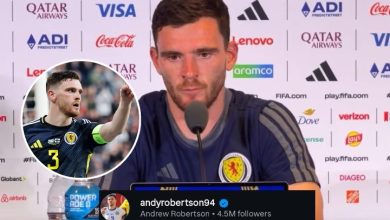
FABRIZIO ROMANO CONFIRMS SCOTLAND NEW HEAD COACH FEW MINUTES BEFORE SFA OFFICIAL WEBSITE CRASHED

In the fast-paced world of modern football, where news breaks faster than a counter-attack and social media amplifies every whisper into a roar, few figures command as much attention as Fabrizio Romano. The Italian journalist, renowned for his “Here We Go” transfer scoops, has become the go-to source for football insiders and fans alike. On a dramatic evening in late June 2026, Romano once again stole the spotlight, confirming developments around Scotland’s national team management just moments before the Scottish Football Association’s (SFA) official website buckled under an unprecedented surge of traffic.
This incident wasn’t just another fleeting headline in the Scottish football landscape. It encapsulated the intense passion of the Tartan Army, the high stakes following a disappointing 2026 FIFA World Cup campaign, and the seismic shift in leadership for a national side hungry for sustained success. As Scotland bid farewell to the most successful head coach in its history, Steve Clarke, the nation found itself at a crossroads—poised for renewal amid chaos, speculation, and digital meltdown.
The Backdrop: Scotland’s World Cup Odyssey and Clarke’s Legacy
To understand the magnitude of this moment, one must revisit Scotland’s journey to the 2026 World Cup. After decades of near-misses, Steve Clarke’s tenure from 2019 to 2026 transformed the team. He guided Scotland to Euro 2020, Euro 2024, and finally qualified for their first World Cup since 1998. Clarke’s pragmatic, defensively solid approach earned him plaudits, culminating in a new four-year contract extension signed mere weeks before the tournament.
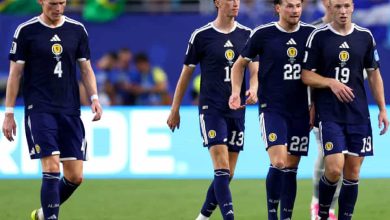
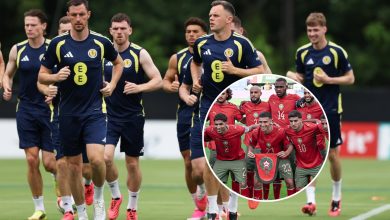
In the United States-hosted World Cup, Scotland were drawn into a tough Group C alongside Brazil, Morocco, and Haiti. They managed a narrow win over Haiti but suffered defeats to the other two powerhouses, finishing third and exiting at the group stage. The elimination, confirmed after Ghana’s result elsewhere sealed their fate, prompted Clarke’s immediate resignation. It was a poignant end to an era that saw Scotland return to the global stage but fall short of knockout progression.
Clarke departs as Scotland’s most capped and successful national coach in modern times, with a record that includes consistent qualification campaigns and fostering a competitive squad featuring stars like Andy Robertson, Scott McTominay, and John McGinn. His exit left a vacuum—one that the SFA would need to fill swiftly ahead of hosting duties for Euro 2028.
Enter Fabrizio Romano: The Scoop That Shook the Nation
As Clarke’s resignation made waves, eyes turned to social media for the latest updates. Enter Fabrizio Romano. Just minutes after official murmurs began circulating, Romano posted the confirmation: “OFFICIAL: Steve Clarke has stepped down as Scotland Head Coach after World Cup exit.” Accompanied by an image, the tweet exploded, garnering hundreds of thousands of views and interactions almost instantly.
Romano’s involvement added instant credibility and drama. Known primarily for club transfers, his pivot to international managerial news underscored the story’s significance. Fans speculated wildly—what did this mean for the next appointment? Was a big name incoming? Romano’s timing was impeccable, feeding the frenzy.
But the real pandemonium erupted when, mere minutes later, the SFA’s official website crashed. Reports flooded in from fans attempting to access statements, ticket info, or player updates. Servers overwhelmed by the spike in traffic—fueled by Romano’s post and global interest—couldn’t cope. Downtime lasted for a tense period, amplifying frustration and conspiracy theories. Was it a deliberate overload? A technical glitch exacerbated by the news? Or simply testament to the passion of Scottish supporters?
Social media lit up with memes, outrage, and excitement. “Romano breaks news, SFA site dies trying to keep up,” one viral post read. The crash symbolized the digital age of football fandom: instantaneous information clashing with infrastructure limits.
Speculation Heats Up: Who Will Be Scotland’s Next Head Coach?
With Clarke gone, the SFA launched a global search. Chief Executive Ian Maxwell revealed applications pouring in almost immediately, stating “nothing’s off the table.” Candidates ranged from domestic stalwarts to international prospects.
Domestic Favorites:
Derek McInnes: Fresh off a move to Rangers, McInnes has long been touted as a potential successor. His experience in the Scottish Premiership and player development made him a popular choice, though club commitments complicated matters.
David Moyes: The Everton boss and former Scotland international carried significant pedigree, but leaving a Premier League role seemed unlikely.
Bobby Williamson: The ex-Hibernian and Kilmarnock manager boldly put himself forward, proposing a “dream team” with Ally McCoist, Scott Brown, and Kevin Thomson. His international experience with African nations added intrigue.
Steven Naismith: Clarke’s assistant, familiar with the setup but potentially tainted by the World Cup exit.
Emerging and International Options:
Scot Gemmill: Long-time Under-21 coach, well-versed in youth development but lacking senior managerial sparkle.
Foreign candidates: Names like Belgian coaches or even more adventurous picks circulated, reflecting the SFA’s openness.
The process promised to be thorough, balancing continuity with fresh ideas. Scotland’s squad boasts talent across Europe, and the new coach must harness it for Euro 2028 on home soil—a massive opportunity.
The Digital Storm and Fan Reaction
The website crash wasn’t merely technical; it highlighted broader issues in football governance and fan engagement. In an era where clubs and associations rely on digital platforms for revenue and communication, vulnerabilities expose risks. SFA officials likely scrambled behind the scenes, issuing statements via social channels while engineers worked furiously.
Fans reacted with a mix of humor and exasperation. The Tartan Army, known for their loyalty through thick and thin, took to X (formerly Twitter), Reddit, and forums. Some praised Romano for his reliability, others debated whether his confirmation preempted the official announcement, adding to the site’s burden.
This event also spotlighted Romano’s influence. Critics sometimes question his sources or “fraud” accusations in transfer circles, but here his role as a neutral conveyor of news proved invaluable. His Scottish scoops have grown notable, bridging Italian expertise with British football.
Broader Implications for Scottish Football
Beyond the immediate drama, this leadership transition carries weight. Scotland has momentum—qualification consistency, a passionate fanbase, and Euro 2028 hosting rights. The new coach inherits a golden generation of players but faces pressure to evolve tactics. Clarke’s style was effective but criticized for conservatism; successors might push a more expansive game.
Financially, the SFA benefits from tournament appearances, but group-stage exits limit deeper rewards. Investment in infrastructure, youth pathways, and coaching education remains crucial. The website incident serves as a wake-up call for digital resilience, perhaps prompting upgrades to handle future surges.
Politically within Scottish football, the appointment could signal priorities: youth focus, club harmony, or international flair. With the Premiership competitive (Rangers, Celtic, etc.), alignment between national and club levels matters.
Looking Ahead: Hope, Hype, and the Tartan Army
As the search unfolds, excitement builds. Will the new coach deliver the knockout breakthroughs fans crave? Can Scotland peak for Euro 2028, potentially emulating past glories under legends like Alex Ferguson or Jock Stein?
Fabrizio Romano’s confirmation and the subsequent website crash will be remembered as a quirky footnote—a moment where news velocity outpaced systems. It underscores football’s unifying power: one tweet, millions engaged, infrastructure tested.
In the coming weeks and months, interviews, shortlists, and announcements will dominate. The SFA must choose wisely, blending tradition with ambition. For now, Scotland mourns Clarke’s exit while embracing uncertainty. The Tartan Army stands ready—scarves aloft, voices loud—eager for the next chapter.
This saga reminds us why we love the beautiful game. Drama off the pitch mirrors intensity on it. Whether the next head coach emerges from Romano’s future “Here We Go” or a surprise contender, one thing is certain: Scottish football’s heartbeat remains strong, resilient, and unyielding.