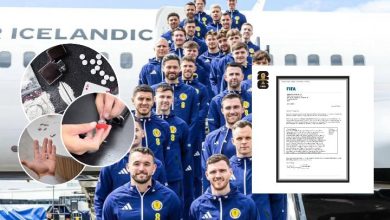
Scotland Fans Fear a Growing Disconnect After Morocco Defeat as Social Media Changes Spark Fresh Debate

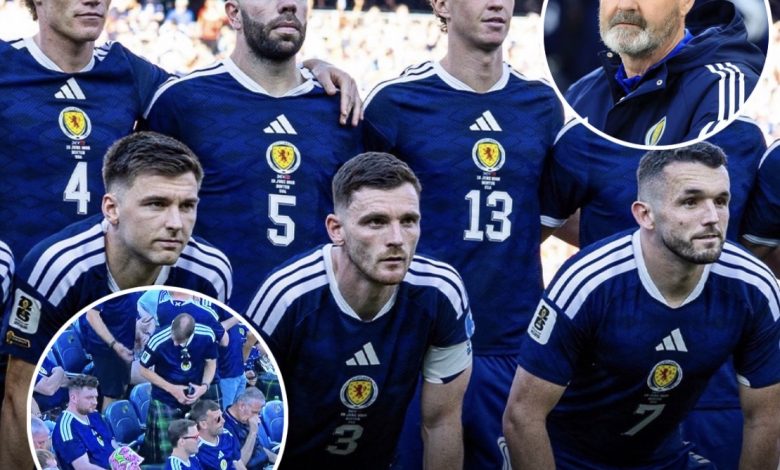
Scotland’s 1-0 defeat to Morocco at the 2026 FIFA World Cup has left supporters frustrated, disappointed and increasingly concerned about the direction of the national team. The result was always likely to generate strong reactions given the importance of the match, but few expected the conversation to shift away from the pitch and onto social media activity involving some of Scotland’s most recognisable players.
In the days following the defeat, many supporters began discussing changes they noticed across several player profiles online. Whether those changes were routine updates, personal decisions or a reaction to the intense criticism that followed the result, the discussion quickly spread among Scotland fans and football communities.
What should have been a period of reflection on a difficult defeat instead became another example of how modern football extends far beyond the ninety minutes on the pitch. In today’s game, supporters analyse everything. Performances, interviews, body language, social media posts and even profile biographies are examined in extraordinary detail.
The controversy emerged at a particularly difficult moment for Scotland. A team that entered the tournament with genuine hopes of progressing beyond the group stage suddenly found itself facing serious questions about its future.
A Defeat That Hurt More Than Most
The loss to Morocco was not simply another defeat.
Scotland entered the match knowing that a positive result could significantly strengthen their position in Group C. Instead, they struggled to impose themselves against an organised Moroccan side that demonstrated why they have become one of the most respected international teams in world football.
Morocco’s rise has been one of the major stories of modern international football. Following their historic run to the semi-finals of the 2022 FIFA World Cup, the North African nation has continued to establish itself among the elite teams in the game.
For Scottish supporters, that context offered little comfort.
The expectation heading into the tournament was that Scotland would compete aggressively and demonstrate the progress many believed had been made under the current generation of players. Instead, the performance left supporters questioning whether the squad had delivered when it mattered most.
Across social media platforms, frustration became increasingly visible.
Some fans criticised the tactical approach.
Others pointed towards missed chances.
Many questioned the overall mentality displayed during key moments of the contest.
As emotions intensified, attention gradually shifted towards the players themselves.
The Reality of Modern Football Pressure
One of the most difficult aspects of modern football is the constant scrutiny players face.
Unlike previous generations, today’s footballers are connected to supporters twenty-four hours a day through social media platforms.
A disappointing result no longer ends when the final whistle blows.
Criticism continues throughout the night, the following morning and often for weeks afterwards.
Supporters express their opinions instantly.
Former players analyse performances.
Pundits debate tactical decisions.
Online communities create endless discussions regarding every aspect of a match.
For professional footballers, the pressure can be relentless.
Many current and former players have spoken publicly about the impact of online abuse and sustained criticism.
Several high-profile footballers across the Premier League, Scottish Premiership and European football have previously chosen to reduce their social media activity after receiving significant backlash.
That context is important when examining the reaction that followed Scotland’s defeat.
Regardless of whether profile changes were connected to criticism, the intensity of the reaction highlighted the emotional environment surrounding the national team.
Scotland’s World Cup Ambitions Under Threat
The broader issue for Scotland remains the football itself.
Supporters are worried because the defeat potentially leaves little room for error going forward.
World Cups are unforgiving tournaments.
A single poor result can completely alter a team’s trajectory.
Scotland have spent years attempting to establish themselves as regular participants at major international tournaments.
The nation’s qualification campaigns have often been characterised by resilience, determination and a strong collective spirit.
That is why the Morocco defeat felt so painful.
Fans were not simply reacting to ninety minutes of football.
They were reacting to the possibility that another promising campaign could end before reaching its full potential.
For many supporters, the concern is that Scotland possess one of the strongest groups of players the country has produced in recent years.
Several squad members play at high levels across Europe.
Others have established themselves as important figures in the Premier League and leading continental competitions.
The expectation was that this generation would achieve something memorable.
Anything that appears to suggest frustration, division or disconnection naturally attracts attention.
Why Supporters Took Notice
Football supporters are incredibly observant.
They notice changes that many people would overlook.
A deleted post.
A removed photograph.
A modified profile biography.
An unfollowed account.
These details frequently become major discussion points.
In many cases, there is no deeper meaning.
Players regularly update their accounts for personal, professional or commercial reasons.
However, during emotionally charged periods, supporters often search for explanations.
The Scotland fanbase is passionate and deeply invested in the national team.
Following the Morocco defeat, every detail was examined.
The online discussion quickly became less about social media itself and more about what fans believed it might represent.
Some viewed the changes as evidence of frustration.
Others argued that players were simply attempting to avoid negativity.
Many supporters urged caution and reminded others not to jump to conclusions.
The debate reflected the uncertainty currently surrounding Scotland’s World Cup campaign.
The Importance of Leadership During Difficult Moments
Every successful international team requires strong leadership.
That leadership does not come exclusively from coaches.
It also comes from senior players.
When results are disappointing, supporters often look towards experienced members of the squad for reassurance.
Leadership is demonstrated through performances, communication and resilience.
Scotland have benefited from several influential figures throughout this era.
Those players have played major roles in helping the national team return to major tournaments and compete more consistently on the international stage.
Moments of adversity test those leadership qualities.
The response to disappointment frequently defines teams more than success itself.
The coming matches therefore represent an opportunity.
Scotland can either allow negativity to dominate the conversation or respond positively on the pitch.
Historically, Scottish football has often been at its strongest when facing adversity.
The Broader Impact on Scottish Football
The significance of this situation extends beyond the current tournament.
Scottish football has spent years attempting to strengthen its international reputation.
The development of young players, improvements in coaching and increased exposure to elite-level competition have all contributed to recent progress.
A strong World Cup campaign would further reinforce those gains.
Conversely, disappointment inevitably generates questions.
Supporters want to know whether the current group can fulfil its potential.
They want evidence that lessons are being learned.
Most importantly, they want to see visible commitment and determination.
The emotional reaction following the Morocco defeat demonstrates how much this team means to the Scottish public.
Fans would not care so deeply if expectations were low.
The intensity of the debate is itself evidence of the belief many supporters still have in this squad.
The Players at the Centre of the Discussion
As speculation continued online, attention increasingly focused on three of Scotland’s most recognisable players.
The individuals discussed by supporters were eventually identified as Scotland captain Scott McTominay, midfielder Lewis Ferguson and striker Lawrence Shankland.
Supporters claimed that references associated with the national team had been removed or altered on their social media profiles following the defeat to Morocco.
At the time of writing, no official explanation has been publicly provided regarding any profile changes, and fans have continued to debate whether the timing was significant or merely coincidental.
What is clear, however, is that the discussion reflects the emotional state of the Scotland fanbase after one of the most disappointing results of their campaign.
What Happens Next?
Ultimately, social media discussions will fade.
Football has always been decided on the pitch.
The only way Scotland can change the narrative is through performances and results.
Supporters will judge the team based on its response.
A strong reaction in upcoming matches would quickly shift attention away from online speculation and back towards football.
That remains the challenge facing Scotland.
The disappointment of the Morocco defeat is undeniable.
The frustration among supporters is real.
Questions are being asked.
Debates are continuing.
Yet major tournaments are often defined by resilience.
If Scotland can rediscover the determination and unity that helped them reach the World Cup, the story of this campaign may still have further chapters to write.
For now, however, Scottish football finds itself confronting an uncomfortable reality: one painful defeat has created a wave of uncertainty, and supporters are searching for answers wherever they can find them.