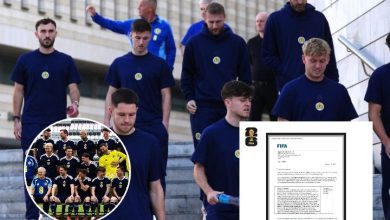
The fallout from Scotland’s heartbreaking 1-0 defeat to Morocco at the 2026 FIFA World Cup continues to dominate discussions among supporters, pundits, and football analysts. While the final result left Steve Clarke’s side facing an uphill battle in Group C, it is not simply the defeat itself that has angered the Tartan Army. Instead, it is a controversial incident inside the Moroccan penalty area that many supporters believe could have completely changed the outcome of the match.
In the hours following the game, fresh television angles and newly circulated footage on social media reignited debate over an incident that Scotland fans insist should have resulted in a penalty. The footage has spread rapidly across various platforms, with supporters claiming that their team was denied a crucial opportunity during one of the biggest matches in recent Scottish football history.
As emotions continue to run high, questions are being asked about the decision-making process, the role of video technology, and whether Scotland were unfortunate victims of one of the tournament’s biggest controversies.
A Match Full of Tension
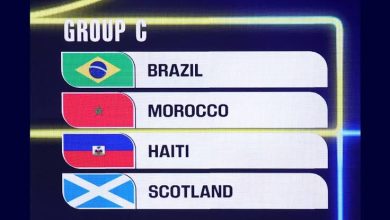
Scotland entered the encounter against Morocco knowing that victory would place them in an excellent position to qualify for the knockout stages. After defeating Haiti in their opening match, confidence within the Scottish camp had risen significantly.
Morocco, however, arrived with their own ambitions. Having earned a draw against Brazil in their opening fixture, they were determined to strengthen their position in Group C.
The match itself was tense from the opening whistle. Scotland defended strongly, battled in midfield, and attempted to frustrate the technically gifted Moroccan side. Both teams created opportunities, but neither could find a breakthrough during much of the contest.
Then came the decisive moment that would later dominate headlines.
Morocco eventually found the winning goal, leaving Scotland chasing the game during the closing stages. Yet for many Scottish supporters, the major talking point was not Morocco’s goal but a penalty incident that occurred earlier in the match.
The Controversial Incident
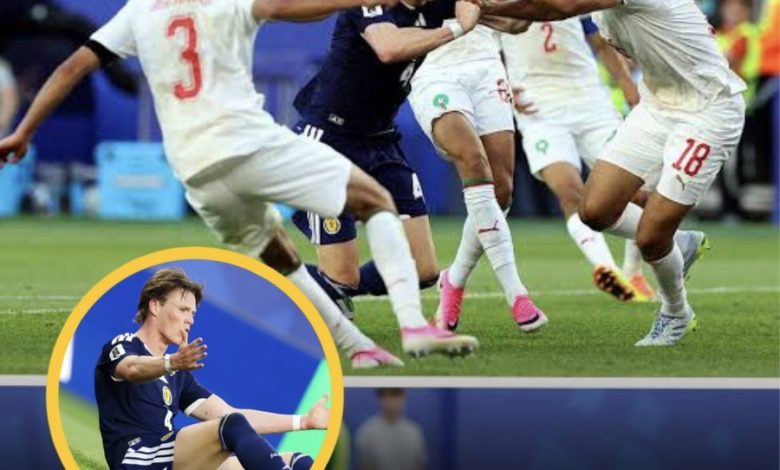
The disputed moment occurred when a Scottish attacker drove into the Moroccan penalty area and appeared to be challenged by a defender. Players immediately appealed for a penalty, with several Scotland stars raising their arms toward the referee.
However, the official waved play on.
At the time, television replays appeared inconclusive, and play continued. Yet shortly after the match, additional camera angles began circulating online.
These fresh images seemed to show contact between the defender and the Scottish player, leading many supporters to argue that a foul had clearly taken place.
Social media quickly exploded.
Supporters questioned why the referee did not award the penalty and why video officials did not intervene. Some fans described the decision as one of the most frustrating moments in recent Scottish football history.
Supporters React With Anger
The Scottish fanbase has always been among the most passionate in international football, and their reaction was immediate.
Thousands of supporters took to social media to express their frustration. Many argued that Scotland had been denied a golden opportunity to take the lead against one of the strongest teams in the group.
Some fans pointed out that similar incidents elsewhere in the tournament had resulted in penalties being awarded.
Others questioned the consistency of officiating standards.
The anger was not necessarily directed solely at the referee. Many supporters instead focused on the use of video technology and whether the available evidence was properly reviewed.
Several former players and football analysts also joined the debate, with opinions divided over whether the contact justified a penalty.
The Role of Video Technology
Modern football relies heavily on video review systems to assist referees during crucial decisions. Supporters expect controversial incidents to be examined carefully.
When Scotland’s appeals were rejected, many believed the review process had failed.
The existence of new footage only intensified these concerns.
Critics argue that if additional angles reveal significant contact, then the system should have identified it during the match itself.
Defenders of the officials maintain that not every contact inside the penalty area results in a foul and that referees must interpret incidents according to the laws of the game.
Regardless of the interpretation, the incident has once again raised questions about consistency in officiating at major tournaments.
Steve Clarke’s Difficult Position
Scotland manager Steve Clarke faced a difficult task after the match.
Managers often walk a fine line when discussing officiating decisions. Open criticism can result in disciplinary consequences, yet remaining silent may disappoint supporters.
Clarke understandably focused much of his attention on his team’s performance, praising the effort and determination shown by his players.
At the same time, he acknowledged the frustration surrounding several decisions during the game.
The manager knows that dwelling on controversy cannot change the result. His immediate priority is preparing Scotland for their decisive final group match.
However, the emotional impact of the incident cannot be ignored.
The Players Feel Aggrieved
Several Scottish players appeared visibly frustrated after the final whistle.
Footballers often have the clearest understanding of contact situations because they experience them directly on the pitch. Those involved in the incident clearly believed they had a legitimate claim.
The disappointment was evident.
Many players spent considerable time speaking with officials immediately after the game, seeking explanations for the decision.
The squad now faces the challenge of using that frustration positively.
Great teams often respond to adversity with determination, and Scotland will hope the controversy becomes motivation rather than distraction.
Scotland’s World Cup Situation
Despite the defeat, Scotland’s World Cup hopes remain alive.
Group C remains highly competitive, with several teams still capable of advancing.
Scotland now face a crucial encounter against Brazil. The outcome of that match could determine whether the Scots reach the knockout stages.
A positive result would keep their dream alive.
A defeat could bring their campaign to an end.
That reality makes the penalty controversy even more painful for supporters, who believe those lost points against Morocco may ultimately prove decisive.
Former Players Weigh In
Former Scottish internationals have also entered the debate.
Some believe the incident was a clear penalty and that Scotland were unfortunate.
Others have argued that while contact existed, the decision was not obvious enough to overturn.
This division reflects the broader challenge within football officiating.
Many incidents exist in a grey area where opinions differ depending on perspective.
Nevertheless, almost everyone agrees that the controversy has become one of the major talking points of the tournament so far.
The Psychological Impact
Football is often decided by fine margins.
A single goal, a missed opportunity, or a disputed decision can alter the entire direction of a tournament.
For Scotland, the denied penalty has become symbolic of the narrow margins that frequently define international football.
Players must now overcome disappointment and focus entirely on the remaining matches.
The coaching staff will work hard to ensure that anger does not become distraction.
Instead, they will attempt to channel the emotion into energy and determination.
The Tartan Army Stands United
One positive aspect to emerge from the controversy is the incredible support shown by Scotland’s fans.
The Tartan Army has rallied behind the team despite the disappointment.
Supporters continue to believe that Scotland can still progress.
Many fans have emphasized that the players gave everything on the pitch and deserved better fortune.
Their passion and loyalty remain among the great strengths of Scottish football.
Regardless of results, the supporters continue to stand firmly behind the team.
What Happens Next?
The debate surrounding the penalty decision may continue for days or even weeks.
Television analysts will study every angle.
Former referees will offer their interpretations.
Supporters will continue arguing over what should have happened.
Yet football moves quickly.
Scotland cannot afford to dwell on the controversy for too long.
The focus now shifts toward the next challenge.
The players know they still control part of their destiny.
Victory in their remaining matches could render the controversy irrelevant.
Failure to respond could leave supporters wondering what might have been.
Final Thoughts
The fresh footage surrounding Scotland’s penalty appeal has undoubtedly reignited one of the biggest controversies of the 2026 World Cup.
Whether the decision was correct or incorrect may remain a matter of debate.
What cannot be disputed is the frustration felt by Scottish supporters.
Many believe their team deserved a penalty.
Many believe the outcome of the match could have been very different.
As Scotland prepare for the next stage of their campaign, the sense of injustice may serve as powerful motivation.
Football history is filled with controversial moments that inspire teams to produce memorable responses.
The Tartan Army will hope this becomes one of those stories.
For now, the questions remain.
Should Scotland have been awarded a penalty?
Did the officials make the correct decision?
And will this moment ultimately define Scotland’s World Cup journey?
Only the remaining matches will provide the answer.