HAITI MANAGER SÉBASTIEN MIGNE REVEALS THE EXTRA-TIME CHANT FROM SCOTLAND FANS THAT NEEDS TO BE INVESTIGATED

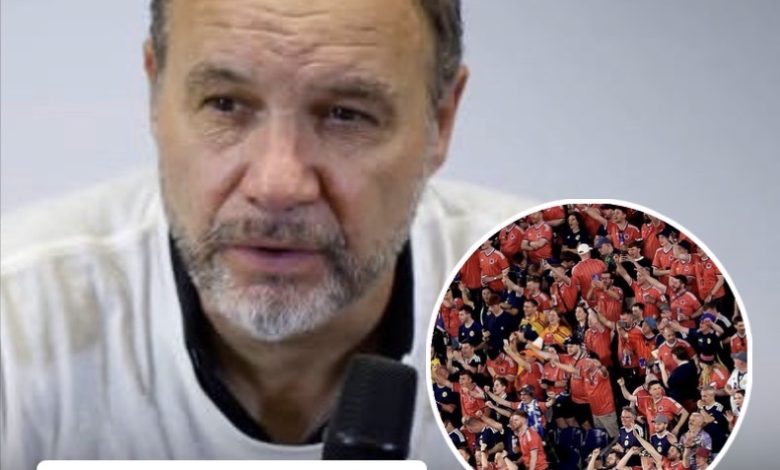
Scotland’s memorable start to their 2026 FIFA World Cup campaign has continued to generate headlines, but this time the focus has shifted away from the action on the pitch. Following Scotland’s hard-fought 1-0 victory over Haiti, Haiti manager Sébastien Migné has claimed that a chant heard from sections of the Scotland support deep into stoppage time deserves to be investigated.
The comments have sparked fresh debate across football circles, with supporters, pundits and governing bodies all discussing where the line should be drawn between passionate support and behaviour that could bring unwanted attention to the game. While Scotland celebrated an important opening victory, Migné’s post-match remarks ensured the conversation did not end with the final whistle.
Scotland Earn Crucial Opening Victory
Steve Clarke’s side entered the tournament under pressure to produce a positive result after months of preparation and intense expectation from supporters. Scotland knew that defeat against Haiti would have made qualification from the group significantly more difficult.
Instead, the Scots produced a disciplined and organised display to secure all three points. The narrow victory may not have been their most entertaining performance, but it demonstrated the resilience that Clarke has worked hard to instil throughout his squad.
As the final minutes ticked away, Scotland defended resolutely while thousands of travelling supporters created an electric atmosphere inside the stadium. Every clearance, tackle and interception was greeted with deafening applause as Scotland edged closer to an invaluable victory.
When the referee added several minutes of stoppage time, the Scottish fans raised the volume once again, determined to help carry their side over the line.
Migné Raises Concerns After the Match
Speaking during his post-match media conference, Haiti manager Sébastien Migné acknowledged Scotland’s performance but also revealed that one particular chant from the Scottish supporters during added time had caught the attention of his coaching staff.
According to Migné, the chant was repeated several times as the clock counted down, prompting questions about whether it crossed an acceptable line.
Although the Haiti manager stopped short of making formal accusations, he suggested that tournament organisers should review the incident if necessary.
“It is something that should be looked at,” Migné reportedly said. “Football should always be competitive and passionate, but respect must remain at the centre of everything.”
His comments immediately became one of the biggest talking points following the match.
Scotland Fans Defend Their Support
Many Scotland supporters were quick to reject any suggestion that they had acted improperly.
Fans argued that the atmosphere was simply a reflection of the tension surrounding the closing stages of a World Cup match. For many supporters, the chants represented nothing more than backing their national team during one of the biggest moments in recent Scottish football history.
Scottish supporters have built a global reputation over many years for creating colourful atmospheres, travelling in huge numbers and generally being praised for their behaviour at major tournaments.
Many pointed out that emotional singing during stoppage time is common across international football and should not automatically be viewed negatively.
Others suggested that any investigation should first establish the exact wording, context and intent behind the chant before conclusions are reached.
A Growing Focus on Fan Behaviour
Modern football places increasing emphasis on supporter conduct both inside and outside stadiums.
Tournament organisers now monitor crowd behaviour more closely than ever before. Advances in stadium surveillance, television coverage and social media mean that incidents involving supporters can spread worldwide within minutes.
FIFA and continental governing bodies have repeatedly stressed that discriminatory, abusive or offensive behaviour has no place in football.
At the same time, football authorities recognise the importance of preserving the passion and atmosphere that make international tournaments so special.
Finding the right balance between protecting the game’s values and allowing supporters to express themselves remains one of football’s biggest challenges.
Scotland’s Attention Quickly Returns to the Pitch
While debate continues away from the football, Steve Clarke will almost certainly want his players to remain focused on the challenges that lie ahead.
An opening victory has given Scotland a valuable platform, but qualification from the group remains far from guaranteed.
The squad know that consistency will be required if they are to progress into the knockout stages.
The discipline shown against Haiti demonstrated Scotland’s ability to grind out difficult results even when performances are not at their fluent best.
Experienced figures within the dressing room, including captain Andy Robertson and veteran defender Grant Hanley, will be keen to ensure outside distractions do not affect preparations.
Pressure Builds Ahead of the Next Fixture
The World Cup schedule leaves little time for reflection.
Every result can dramatically alter the complexion of a group, and Scotland know another positive performance could move them significantly closer to the last 16.
Clarke has consistently urged his players to ignore external noise and concentrate solely on matters they can control.
That philosophy is likely to be even more important after Migné’s comments generated widespread discussion across international media.
Whether tournament officials decide to review the alleged chant or not, Scotland’s focus must remain on maintaining momentum.
Fans Continue to Play Their Part
One of Scotland’s greatest strengths throughout recent tournaments has been the unwavering support of their travelling fans.
Thousands have crossed continents to follow the national team, creating memorable scenes before, during and after matches.
Their energy has often been praised by opposing supporters and local organisers alike.
The atmosphere they generated against Haiti undoubtedly helped lift the Scottish players during a tense finish, with every tackle and clearance greeted like a goal.
Supporters will hope the headlines soon return to football rather than off-field controversy.
Bigger Picture
Whether any formal investigation materialises remains uncertain, but Migné’s remarks have once again highlighted the growing scrutiny surrounding supporter behaviour at elite tournaments.
Football continues to evolve, with governing bodies determined to uphold standards while preserving the emotion that makes international competition unique.
For Scotland, however, the most important outcome remains the result itself.
Three points have given Steve Clarke’s men a strong foundation as they pursue qualification for the knockout stages. Their defensive resilience, tactical discipline and determination were enough to overcome a spirited Haiti side.
Now, the challenge is to build on that success while ensuring any off-field distractions do not derail what could become one of Scotland’s most memorable World Cup campaigns in decades.
The players will know that victories—not controversies—are ultimately what define tournaments. If Scotland can continue collecting points, the conversation surrounding chants and investigations may soon fade into the background, replaced by growing belief that this squad is capable of achieving something truly special on football’s biggest stage.