West Ham United Begin Massive Overhaul After Relegation
After 14 consecutive seasons among England’s elite, West Ham United have suffered the ultimate humiliation: relegation from the Premier League. The East London club’s demotion to the Championship was confirmed in heartbreaking circumstances despite a commanding 3-0 victory over Leeds United, a result that ultimately proved meaningless as outcomes elsewhere sealed the Hammers’ fate.
For supporters who have spent more than a decade watching their club compete against England’s biggest sides, qualify for Europe, and even lift continental silverware, the reality of relegation feels surreal. Yet football can be brutally unforgiving, and a season plagued by inconsistency, defensive fragility, poor recruitment, and mounting pressure has finally caught up with West Ham.
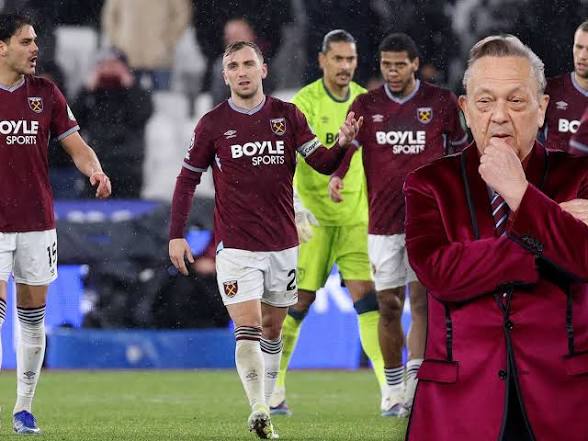
The final whistle at the London Stadium brought scenes of confusion, disbelief, and despair. Players collapsed to the turf, supporters stood motionless in silence, and manager, staff, and club executives were left to confront the consequences of a catastrophic campaign. Winning on the day should have sparked celebration. Instead, it became a cruel footnote in one of the darkest chapters in the club’s modern history.
For many observers, West Ham’s relegation represents one of the most shocking downfalls in recent Premier League memory. This is a club that only a few years ago reached the latter stages of European competition, boasted several international stars, and appeared firmly established as part of the league’s ambitious upper-middle class. Their decline has been gradual in some respects, but devastatingly sudden in others.
The warning signs were present from the opening months of the season. Defensive errors became routine, injuries disrupted momentum, and confidence steadily evaporated. Matches that once would have ended in hard-fought draws turned into defeats. Leads slipped away with alarming regularity, and the team developed a worrying inability to respond under pressure.
At the heart of the collapse was a severe lack of consistency. West Ham would occasionally produce spirited performances that hinted at survival, only to follow them with lifeless displays against direct rivals. That unpredictability became fatal in a league where margins are often razor thin.
Their attacking numbers fluctuated wildly throughout the season. On some occasions they looked dynamic and dangerous, particularly when playing with freedom on the counterattack. But too often, creativity dried up in key moments. Chances were missed, confidence drained, and the burden on the defence increased.
The defence itself became one of the division’s weakest units. Costly individual mistakes repeatedly undermined the team’s efforts. Set-piece defending deteriorated, communication broke down, and the absence of leadership at crucial moments proved impossible to ignore. Even when West Ham managed to score goals, supporters rarely felt secure.
The 3-0 victory over Leeds perfectly encapsulated the frustration of the season. West Ham were energetic, aggressive, and clinical. The players attacked with urgency and defended with determination. It was the sort of performance supporters had demanded for months. Yet it arrived too late.
Fans inside the stadium celebrated every goal while nervously checking updates from other grounds. Hope flickered throughout the afternoon, but as results elsewhere went against them, the mood shifted from optimism to dread. By the closing stages, many already sensed the inevitable.
When confirmation finally arrived, emotion swept across the stadium. Some supporters applauded the players despite the disappointment. Others openly vented anger at the ownership and recruitment decisions that they believe contributed heavily to the club’s decline. A number remained in their seats long after the final whistle, struggling to process the reality that Premier League football was gone.
The relegation raises serious questions about the direction of the club under its current hierarchy. Recruitment has been a particularly contentious issue. In recent years, West Ham spent significant sums attempting to strengthen the squad, but several arrivals failed to meet expectations. Some players struggled to adapt to the pace and physicality of the league, while others never found consistent form.
Replacing influential figures from previous successful campaigns also proved more difficult than anticipated. The squad gradually lost balance, leadership, and identity. Experienced players aged, younger signings failed to fully develop, and tactical cohesion disappeared.
Managerial instability added another layer of uncertainty. Pressure mounted with every poor result, and speculation surrounding the future of the coaching staff became a constant distraction. Whether responsibility lies primarily with the manager, the board, or the players will be debated for years among supporters, but ultimately relegation reflects collective failure across the entire football operation.
Financially, the consequences could be enormous. Relegation from the Premier League carries major economic implications despite parachute payments. Broadcast revenue will drop significantly, commercial opportunities may shrink, and player sales could become necessary to balance finances.
Several of West Ham’s top performers are unlikely to remain in the Championship. Clubs across Europe and the Premier League will almost certainly target key individuals in the coming transfer window. Rebuilding a competitive squad while managing financial realities will become one of the club’s biggest challenges.
The psychological impact should not be underestimated either. Relegation can fracture clubs internally if not handled carefully. Expectations in the Championship are relentless, particularly for recently relegated sides viewed as promotion favourites. There is no guarantee of an immediate return.
Indeed, English football history is filled with examples of clubs who expected a quick comeback but instead became trapped outside the top flight for years. The Championship is physically demanding, intensely competitive, and unforgiving to teams burdened by instability or entitlement.
West Ham supporters know this reality well. Older fans remember previous relegations and the pain that followed. While the club has experienced memorable recoveries in the past, modern football presents entirely different pressures. The financial gap between divisions has widened dramatically, and recovering from relegation now requires strategic clarity as much as emotional resilience.
Yet amid the despair, there remains a sense that West Ham possess the foundations to rebuild. The club retains a huge fanbase, a modern stadium, strong academy traditions, and a history deeply embedded in English football culture. Relegation is a devastating setback, but it does not erase the identity or potential of the institution.
The coming months will define the next era of West Ham United. Decisions regarding the manager, recruitment structure, player departures, and long-term vision will shape whether this relegation becomes a temporary collapse or the beginning of a prolonged decline.
For the supporters, however, the pain is immediate and deeply personal. Football clubs represent far more than league positions. They become part of family traditions, local identity, and collective memory. After 14 years of competing against the biggest names in English football, the prospect of Championship away days and reduced national attention feels profoundly difficult to accept.
Many fans will also reflect on how quickly fortunes can change in modern football. Not long ago, West Ham were celebrated for their European adventures and ambitious trajectory. Nights of continental football generated optimism that the club had evolved beyond relegation battles. Instead, they now face the harsh reality of rebuilding from the second tier.
The players themselves must confront uncomfortable truths. Relegation inevitably affects reputations, and many members of the squad will face criticism for underperforming throughout the campaign. Some may seek moves elsewhere, while others will stay and attempt to guide the club back to the Premier League.
Leadership inside the dressing room will be crucial. Championship campaigns demand resilience, adaptability, and consistency over a grueling season. Teams that embrace the challenge often recover quickly; those weighed down by disappointment frequently struggle.
There is also the question of identity. West Ham’s most successful periods have traditionally been built on strong team spirit, fearless football, and connection with supporters. Re-establishing those qualities may matter just as much as tactical adjustments or transfer business.
For neutrals, West Ham’s relegation serves as another reminder of the Premier League’s relentless competitiveness. Reputation alone guarantees nothing. Clubs with significant fanbases, financial power, and recent success are still vulnerable when mistakes accumulate over time.
As the season ends, the image that will endure is not necessarily the 3-0 scoreline against Leeds, but the haunting contrast between victory and devastation. Rarely has a win felt so empty.
The Championship now awaits West Ham United — a club wounded, humbled, and searching for answers after one of the most painful seasons in its modern history. Whether this marks a brief interruption or a deeper fall from prominence will depend entirely on what happens next.
For now, though, the reality is stark: after 14 years in the Premier League, the Hammers are going down.












Post Comment