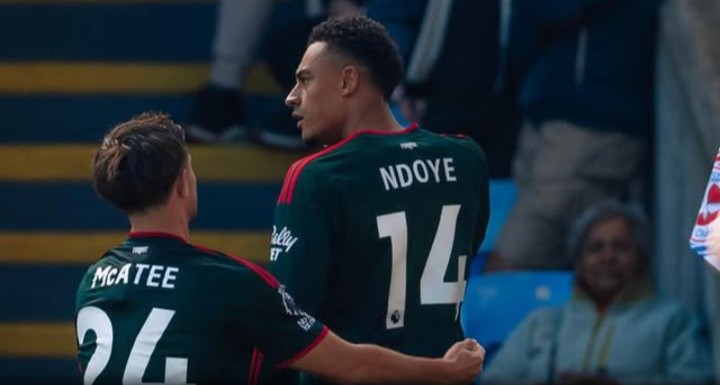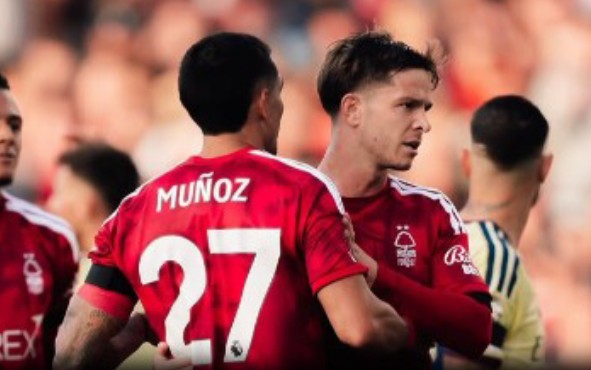
Category: NOTTINGHAM forest

  • Nottingham Forest announce shock departure just few hours after 1–0 Arsenal defeat

    Nottingham Forest announce shock departure just few hours after 1–0 Arsenal defeat

    Nottingham Forest announce shock departure just few hours after 1–0 Arsenal defeat as club decision sparks furious fan reaction

    Nottingham Forest have been plunged into fresh controversy following their narrow 1–0 defeat against Arsenal, with a reported club departure becoming the focus of attention after Sunday’s disappointing result at the City Ground.


    Forest suffered a frustrating afternoon on 18 October 2026 after Arsenal secured all three points through a late goal from Noni Madueke. The result left Forest reflecting on missed opportunities, while the reported departure added another talking point for supporters already unhappy with the outcome.

    For Nottingham Forest, the immediate challenge is to manage the reaction to the defeat, maintain unity within the club and prepare for their next Premier League fixture against Ipswich Town.


    Nottingham Forest face growing pressure after Arsenal defeat

    The defeat against Arsenal was particularly painful because Nottingham Forest had shown enough quality to take something from the game.

    Forest began with determination and created several opportunities to trouble Arsenal goalkeeper David Raya. Dan Ndoye forced a save during the first half, while James McAtee and Murillo also threatened after the interval.

    However, the home side could not turn those opportunities into goals.

    Arsenal, meanwhile, demonstrated the importance of taking advantage of decisive moments. Although the visitors struggled to create clear chances for much of the match, Madueke’s late strike proved enough to secure victory.


    For Forest, the result raised further questions about their ability to convert competitive performances into points.

    The disappointment was made worse by the timing of the decisive goal. With only ten minutes remaining, Forest had little time to recover after falling behind.

    Club decision sparks anger among Nottingham Forest supporters

    The headline’s central controversy concerns a club decision reportedly made shortly after the Arsenal defeat.

    Supporters naturally want clarity when significant decisions emerge during a difficult period. They expect the club to communicate important developments clearly, particularly when those decisions could affect the team’s direction.


    Following a disappointing result, questions about the club’s leadership, sporting decisions and future plans can quickly become part of the wider conversation.

    For Forest supporters, the priority remains seeing their team compete consistently in the Premier League. They want decisions that strengthen the squad, improve performances and give the club a clearer path towards better results.

    However, without a confirmed announcement identifying the person involved, the precise circumstances of the alleged departure cannot be established.

    Why the Arsenal defeat matters for Forest

    The 1–0 loss represents more than just a single disappointing result because Forest need points to improve their position in the Premier League.

    Their performance contained encouraging elements, but the inability to score remains a significant concern.


    Against Arsenal, Forest managed to create opportunities but failed to find the finishing touch required to change the outcome.

    That problem becomes especially important when facing opponents capable of punishing even a single defensive mistake.

    Madueke’s goal demonstrated how quickly a closely contested match can be decided. Forest had defended effectively for long periods, but one deflected effort was enough to leave them empty-handed.

    The coaching staff must now identify ways to make the team’s attacking play more productive without sacrificing its defensive organisation.

    Morgan Gibbs-White’s absence adds to the challenge

    Forest were also without Morgan Gibbs-White, who missed the Arsenal match after suffering an injury against Crystal Palace.


    His absence deprived the team of an important creative presence in midfield.

    Gibbs-White’s ability to link midfield and attack, create opportunities and move the ball into dangerous areas makes him an important player for Forest.

    Without him, other attacking players must take greater responsibility for creating chances and supporting the forward line.

    His return could provide a boost, although his availability will depend on his recovery.

    Forest cannot rely on one player alone, however. The team needs a collective improvement in its attacking effectiveness if it hopes to secure more points in the coming weeks.

    Oliver Glasner must find a response

    Head coach Oliver Glasner now faces the task of ensuring that the defeat does not undermine the team’s confidence.


    Glasner expressed disappointment with the result, describing it as unfair given Forest’s performance and the limited opportunities Arsenal created.

    His assessment reflected the frustration of a match in which Forest competed well but ultimately failed to secure a reward.

    The challenge is to turn that frustration into motivation ahead of the next fixture.

    Forest need to maintain their defensive discipline while becoming more decisive in the final third. Better movement, improved finishing and more effective use of attacking opportunities could help them avoid similar disappointments.


    The manager must also ensure that discussions surrounding the reported club decision do not distract the players from their immediate responsibilities.

    Maintaining unity will be important as Forest attempt to recover from the defeat.

    Ipswich Town clash offers an opportunity to respond

    Nottingham Forest’s next Premier League match is against Ipswich Town on Friday, 23 October 2026.

    The fixture offers Forest an opportunity to put the Arsenal disappointment behind them and pursue a positive result away from home.

    Ipswich will present a different challenge, meaning Forest must prepare carefully and avoid allowing frustration from the previous match to influence their performance.


    The players will need to show concentration, patience and greater composure in front of goal.

    A positive result would help restore confidence and give supporters something to encourage after the disappointment at the City Ground.

    However, another poor result would inevitably increase scrutiny of the team’s performances and the decisions being made around the club.

    For Glasner and his players, the focus must remain on producing a stronger response on the pitch.

    Conclusion

    Nottingham Forest’s 1–0 defeat against Arsenal has left the club facing renewed pressure after Madueke’s late goal settled a closely contested Premier League encounter.


    Forest created opportunities but failed to score, while Arsenal made their decisive moment count.

    The headline’s reported shock departure adds another layer to the story, with supporters wanting clarity about important club decisions and the team’s direction.

    Forest must now concentrate on improving their performances, preparing for Ipswich Town and ensuring that the disappointment against Arsenal does not define their next chapter.
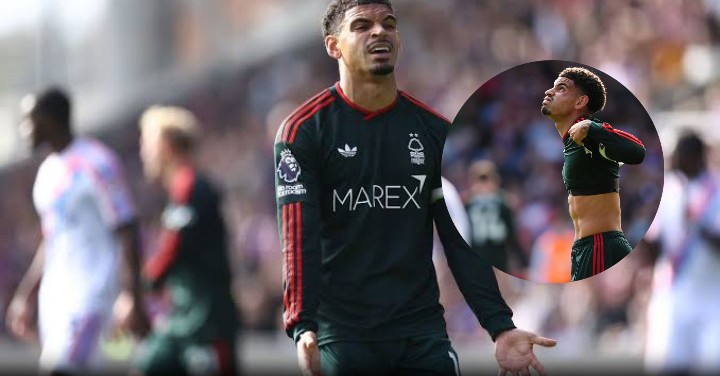
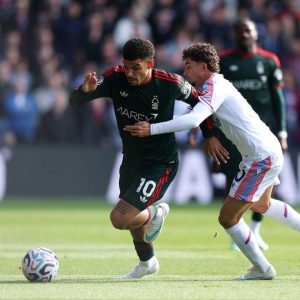
     

  • Morgan Gibbs-White Breaks Silence After Nottingham Forest’s 3–1 Defeat

    Morgan Gibbs-White Breaks Silence After Nottingham Forest’s 3–1 Defeat

    Nottingham Forest captain Morgan Gibbs-White was left with plenty to reflect on after his side suffered a disappointing 3–1 defeat against Crystal Palace at Selhurst Park on Sunday, 11 October 2026. Despite making a promising start and taking an early lead, Forest struggled to turn their opportunities into goals as Palace fought back to secure an important Premier League victory.

    The result was particularly frustrating for Forest because they had opportunities to extend their advantage before the hosts found their way back into the contest. Gibbs-White played an important role in the attacking effort, but his team’s inability to capitalise on promising situations ultimately proved costly.

    The match also featured several lengthy video assistant referee (VAR) checks, adding to the tension surrounding some of the decisive moments.


    However, there is currently no independently verified public statement confirming that Gibbs-White has revealed the exact words spoken to him by the referee about a controversial offside incident. The available match reports do not establish that such a conversation took place or that the Forest captain has made the specific revelation suggested by the headline.

    Nevertheless, the defeat provides plenty of material for examining Forest’s performance, the important decisions surrounding the goals and the questions facing Gibbs-White and his teammates after a difficult afternoon in south London.

    Nottingham Forest Make a Flying Start at Selhurst Park

    Forest began the match with the kind of attacking intensity that suggested they could leave Selhurst Park with a positive result.

    Just three minutes into the contest, Dan Ndoye gave the visitors the lead after capitalising on a defensive mistake by Crystal Palace.


    Anan Khalaili attempted to head the ball back towards goalkeeper Walter Benítez, but his effort fell directly into Ndoye’s path. The Forest forward reacted quickly, curling a right-footed finish into the bottom corner to put his side ahead.

    The early goal gave Forest an opportunity to settle into the match and put pressure on their opponents.

    For Gibbs-White, who captained the side, the priority was to help his teammates maintain their momentum and take advantage of the space available in Palace’s defensive structure.

    Forest subsequently created further opportunities to increase their lead.

    Ndoye came close to scoring again, while Daniel Muñoz also missed a promising chance from close range.

    Those opportunities became increasingly significant as the match progressed.

    Forest had demonstrated that they could threaten Palace’s defence, but their failure to convert those chances allowed the home side to remain within reach.

    In Premier League football, an early advantage can provide a strong foundation for victory. However, when a team repeatedly misses opportunities to extend its lead, the opposition is given encouragement to recover.


    That was precisely what happened at Selhurst Park.

    Gibbs-White Comes Close as Forest Miss Golden Opportunity

    Gibbs-White was among the Forest players who threatened to increase the visitors’ advantage during the first half.

    The captain struck an effort against the underside of the crossbar, producing a dangerous rebound that appeared to offer Liam Delap an excellent opportunity to score.

    Delap attempted to convert the rebound, but Benítez produced an outstanding save to keep the ball out.

    It was one of the defining moments of the first half because Forest had the opportunity to move further ahead.

    Had the visitors converted that chance, Palace would have faced a significantly more difficult task in their attempt to recover.

    Instead, the home side survived and gradually grew into the contest.

    Gibbs-White’s effort demonstrated the attacking threat he could provide, but it also highlighted Forest’s wider problem. Creating opportunities was not enough; they needed to be more clinical in front of goal.


    The captain’s responsibility extended beyond producing individual moments of quality. He also needed to help the team maintain its concentration as Palace began to apply greater pressure.

    Unfortunately for Forest, their promising opening did not translate into a commanding first-half performance.

    Crystal Palace Fight Back Before Half-Time

    Palace eventually found an equaliser in the 41st minute through Daichi Kamada.

    The goal followed a period of improved attacking play from the hosts, who began to find more space in the final third.

    Kamada finished from close range after a combination involving his teammates created the opening.

    The goal was checked by VAR before it was confirmed, briefly leaving supporters waiting for the official decision.

    Once the goal was allowed to stand, the atmosphere inside Selhurst Park changed considerably.


    Palace had recovered from their early setback, and the players appeared increasingly confident as they looked for another opportunity before the interval.

    That second goal arrived in stoppage time.

    Adam Wharton’s corner created danger inside the Forest penalty area, with Jefferson Lerma getting his head to the ball and directing it beyond goalkeeper Matz Sels.

    The goal gave Palace a 2–1 advantage and completed a remarkable turnaround before half-time.

    For Forest, the timing could hardly have been worse.

    They had started the game strongly, created opportunities to extend their lead and appeared capable of controlling the contest.

    Instead, they entered the dressing room trailing after conceding twice in quick succession.


    The turnaround also placed additional pressure on Gibbs-White, whose role as captain included helping his teammates recover mentally and approach the second half with renewed determination.

    VAR Checks Add Tension to the Contest

    One of the notable features of the match was the use of VAR to examine important moments.

    Palace’s equaliser was checked before being confirmed, while the hosts’ third goal also underwent a review.

    These checks naturally attracted attention because the decisions affected the flow of the contest and came during moments when Forest were attempting to recover.

    However, it is important to distinguish between a goal being reviewed and an official decision being overturned.

    A VAR check does not automatically indicate that an infringement has occurred. Officials examine the available evidence before deciding whether the original decision should stand or be changed.


    In this match, the reported checks did not result in Palace’s goals being disallowed.

    There is also no independently confirmed account establishing that Gibbs-White confronted the referee about an offside decision or that the official gave him the specific explanation suggested by the headline.

    Without a verified post-match interview, official statement or reliable account of the exchange, it would be misleading to attribute particular words to either the Forest captain or the referee.

    Nevertheless, the presence of multiple reviews contributed to the discussion surrounding the decisive moments of the game.

    For Forest supporters, the more important question will be whether their team did enough to prevent Palace from taking control after the opening goal.

    Yéremy Pino Punishes Forest After the Break

    Forest needed a strong start to the second half if they were to rescue a result.


    Gibbs-White continued to contribute to the attacking effort, and the visitors came close to finding an equaliser shortly after the restart.

    The captain won a header at the far post, but the ball deflected against the post before Palace goalkeeper Benítez gathered it.

    It was another frustrating moment for Forest, who had already created several opportunities without finding a second goal.

    Palace then delivered the decisive blow.

    Jørgen Strand Larsen attempted to score from close range, but Sels blocked his effort. The rebound fell to Yéremy Pino, who finished into the unguarded net to make it 3–1.

    The goal increased Palace’s advantage and left Forest facing a difficult challenge for the remainder of the contest.


    Once again, VAR checked the incident before the goal was allowed to stand.

    For the visitors, the problem was not simply the final score. It was the manner in which the match had developed.

    Forest had taken the lead, missed opportunities to extend it and then conceded three times as Palace capitalised on their mistakes.

    Gibbs-White and his teammates continued to search for a way back into the match, but the hosts defended their advantage effectively.

    Benítez also made further important saves, including efforts to deny Chris Wood and prevent Forest from reducing the deficit.

    The final whistle confirmed a 3–1 victory for Palace.

    What the Defeat Means for Morgan Gibbs-White

    As Forest captain, Gibbs-White will be expected to help his teammates respond to the setback.


    The midfielder’s influence is important because he contributes to the team’s creativity, pressing and attacking transitions.

    His performance against Palace showed that he could help create dangerous situations, but the result also highlighted the importance of making those opportunities count.

    Forest cannot afford to rely exclusively on creating chances if they want to compete consistently against Premier League opposition.

    Their early attacking promise was encouraging, but defensive lapses and missed opportunities ultimately undermined their efforts.

    Gibbs-White will therefore have an important role in helping the team identify what went wrong and improve before their next fixture.


    The captain will also need to help maintain confidence within the dressing room.

    A defeat can become more damaging when players allow frustration to affect their performances in subsequent matches. Forest must instead focus on correcting their mistakes and returning to the standards they demonstrated during the opening stages at Selhurst Park.

    For the supporters, the performance offered both encouragement and disappointment.

    Forest showed that they could trouble Palace, but their inability to maintain control after taking the lead was a major concern.

    Nottingham Forest Must Respond

    The 3–1 defeat against Crystal Palace provides Nottingham Forest with several clear lessons.

    First, they must become more clinical when opportunities arise. Ndoye’s early goal and Gibbs-White’s effort against the crossbar demonstrated the potential of their attacking play, but further chances went unconverted.


    Second, defensive concentration must improve. Conceding twice before half-time transformed the match and placed Forest under considerable pressure.

    Third, the team must manage difficult moments more effectively. When Palace began to gain confidence, Forest needed to slow the game down, protect their defensive structure and prevent the hosts from building momentum.

    These improvements will be particularly important for Gibbs-White, whose leadership and creativity make him central to Forest’s ambitions.

    The captain will want his teammates to respond positively rather than allow the disappointment of the defeat to affect their performances in the coming weeks.

    Final Verdict

    Nottingham Forest’s 3–1 defeat against Crystal Palace was a frustrating result for a team that began the match with considerable attacking promise.


    Dan Ndoye’s early goal gave the visitors an excellent platform, but Daichi Kamada and Jefferson Lerma turned the contest around before half-time. Yéremy Pino then scored after the break to complete Palace’s victory.

    VAR checks added tension to several important moments, but there is no verified evidence confirming the specific referee conversation or offside revelation attributed to Morgan Gibbs-White in the headline.

    Until a reliable source confirms those details, they should not be presented as established facts.

    For Forest, the immediate priority is to learn from the defeat, improve their finishing and address the defensive errors that allowed Palace to take control. Gibbs-White’s leadership will be important as the team looks to recover and produce a stronger performance in its next match.


  • Nottingham Forest Announce Shock Departure

    Nottingham Forest Announce Shock Departure

    Nottingham Forest have been left facing difficult questions following their disappointing 3–1 defeat against Crystal Palace, with the result increasing pressure on the club to address its problems and restore confidence among supporters.

    Forest travelled to Selhurst Park on Sunday, 11 October 2026, hoping to secure a positive result against a familiar opponent. However, despite taking an early lead, they eventually suffered a painful defeat after Palace produced an impressive comeback.

    The result was particularly disappointing for Forest manager Oliver Glasner, who returned to face his former club. What initially appeared to be a promising afternoon quickly turned into a frustrating experience as Palace took control and punished Forest’s mistakes.


    Although the headline suggests a shock departure following the defeat, an official club announcement confirming a specific departure could not be independently verified. Nevertheless, the result has raised important questions about Forest’s performances, the decisions being made behind the scenes and what supporters should expect from the club moving forward.

    Nottingham Forest Make a Promising Start

    Forest began the contest with the kind of attacking intent that suggested they were prepared to challenge Palace on their own ground.

    Their positive start was rewarded in the third minute when Dan Ndoye found the net to give the visitors an early advantage.


    The goal offered Forest an opportunity to settle into the contest and put pressure on their opponents. Scoring so early also gave Glasner’s team the chance to approach the remainder of the first half with greater confidence.

    However, Forest failed to make their advantage count.

    Rather than extending their lead, the visitors allowed Palace to grow into the game. Their inability to convert promising attacking situations into further goals eventually became one of the defining features of the match.

    Forest had opportunities to strengthen their position, but their finishing let them down at crucial moments.

    Liam Delap, in particular, missed a significant opportunity to increase Forest’s advantage after Morgan Gibbs-White struck the crossbar. Delap was unable to convert the rebound from close range, allowing Palace to remain within reach.

    In a competitive Premier League fixture, missed opportunities can quickly change the direction of a match.


    That proved to be the case at Selhurst Park.

    Crystal Palace Turn the Game Around

    Palace gradually gained confidence as Forest failed to take advantage of their early dominance.

    The hosts began finding more space in attacking areas, forcing the visitors to defend for longer periods and making it increasingly difficult for Forest to maintain control.

    Daichi Kamada brought Palace level in the 41st minute, changing the atmosphere inside Selhurst Park and putting the home side in a stronger position before the interval.

    The equaliser was followed by another major setback for Forest.

    Jefferson Lerma scored in first-half stoppage time to give Palace a 2–1 lead. The turnaround left Forest facing a completely different situation from the one they had enjoyed during the opening minutes.


    (more…)