Celtic Billionaire Linked as Surprise Contender for Rangers Takeover in Remarkable Old Firm Twist

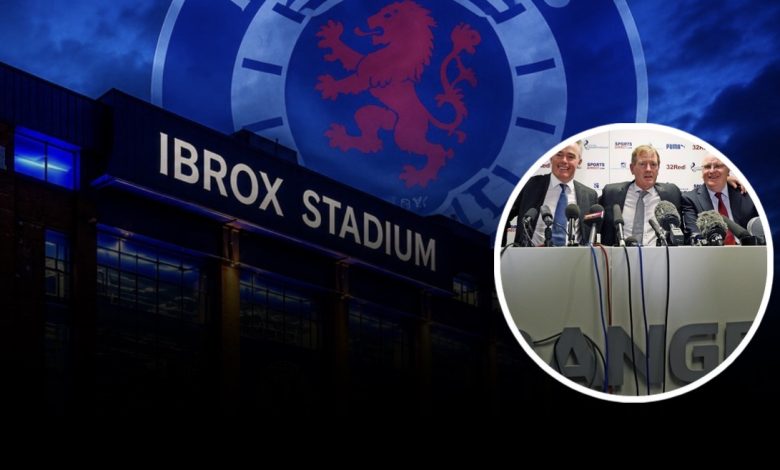
The prospect of a businessman with strong Celtic connections becoming involved in a takeover of Rangers has sparked intense debate across Scottish football, with supporters from both sides of the Old Firm trying to make sense of what could become one of the most unusual ownership stories in the modern era.
Reports linking a billionaire known for his association with Celtic to a potential Rangers investment have inevitably generated headlines. While no formal agreement has been announced, the mere suggestion of such a development has captured attention due to the fierce rivalry that defines Scottish football.
For generations, Rangers and Celtic have represented opposite sides of one of the most passionate football rivalries in world sport. Any crossover involving ownership or major investment is therefore guaranteed to attract scrutiny.
How the Story Developed
Speculation emerged following discussions around Rangers’ long-term financial strategy and the possibility of attracting fresh investment to strengthen the club’s position domestically and in Europe.
Key developments include:
Rangers continuing to explore opportunities for new investment.
Growing interest from international investors in Scottish football.
Increased financial pressure to compete at a higher level in European competitions.
Reports suggesting that a businessman with historical Celtic links could be among interested parties.
Although details remain limited, the story has gained traction because of the symbolic significance attached to any figure associated with Celtic becoming involved with Rangers.
Why Rangers Are Attracting Investors
Rangers remain one of the biggest football clubs in Britain in terms of support, history and commercial potential.
Recent years have seen the club:
Return to the UEFA Champions League group stage.
Win the Scottish Premiership title.
Reach a major European final.
Expand commercial partnerships and international visibility.
Despite those achievements, Rangers continue to face challenges in matching the financial resources available to some of Europe’s elite clubs.
Additional investment could help the club:
Improve recruitment.
Upgrade infrastructure.
Expand scouting networks.
Increase competitiveness in Europe.
These factors make Rangers an attractive proposition for ambitious investors seeking growth opportunities.
The Tactical Importance of Fresh Investment
Modern football is increasingly shaped by ownership models and financial strength.
Across Europe, clubs with ambitious owners have been able to accelerate progress through strategic investment in:
Data analytics.
Youth development.
Training facilities.
Global scouting operations.
For Rangers, additional resources could significantly impact squad building.
The club has relied heavily on smart recruitment in recent years, identifying value in markets that larger clubs sometimes overlook. Fresh investment could provide greater flexibility in transfer windows and help retain key players for longer periods.
Managerial stability and squad depth have become increasingly important as Rangers seek to challenge Celtic consistently while competing in Europe.
Supporter Reactions
Unsurprisingly, fan reaction has been mixed.
Among Rangers supporters, some see any credible investment as positive if it strengthens the club’s long-term future.
Others remain cautious, questioning whether any investor with previous Celtic connections would be fully accepted by the Ibrox faithful.
Typical themes emerging among Rangers fans include:
A desire for transparency.
Concerns over potential conflicts of interest.
Optimism about increased financial backing.
Questions regarding the investor’s long-term intentions.
Celtic supporters have also been intrigued by the reports.
Many find the prospect difficult to imagine given the historic rivalry between the clubs. Others believe modern football increasingly prioritises business opportunities over traditional allegiances.
Nigerian Fans Join the Debate
Scottish football continues to enjoy a dedicated following among Nigerian supporters, particularly due to the success of African players in Britain and Europe.
Nigerian fans following the story have largely focused on the football implications rather than the rivalry itself.
On social media, many supporters have discussed:
Whether Rangers could strengthen their squad significantly.
The impact on the Scottish Premiership title race.
Future opportunities for African talent in Scotland.
The potential for Rangers to become more competitive in Europe.
For many Nigerian football followers, the key question is simple: would new investment improve the quality of football on the pitch?
Historical Context Makes the Story Unique
Few rivalries in world football carry the emotional weight of the Old Firm.
For more than a century, Rangers and Celtic have dominated Scottish football, competing for trophies while representing distinct identities within Glasgow and beyond.
Because of that history, any suggestion of crossover involvement immediately attracts attention.
Ownership links, boardroom connections and major financial partnerships are often viewed through the lens of the rivalry, making this story particularly significant.
While football has become increasingly globalised, supporter culture remains deeply rooted in tradition.
That is why the reports have generated such widespread discussion despite the absence of any confirmed takeover agreement.
What It Could Mean for Scottish Football
Should a deal eventually materialise, the consequences could extend beyond Rangers.
Potential benefits for Scottish football include:
Increased international attention.
Greater investment in infrastructure.
Improved competitiveness in European competitions.
Enhanced commercial opportunities.
A financially stronger Rangers could intensify competition at the top of the Scottish Premiership, potentially raising standards across the league.
For Celtic, stronger competition would create new challenges but could also increase the profile and value of Scottish football as a whole.
The success of both Glasgow clubs remains crucial to Scotland’s standing in European football.
Looking Ahead
At present, the reports remain speculative, and supporters will be waiting for official confirmation before drawing firm conclusions.
However, the story highlights the changing landscape of modern football ownership. Investors increasingly view clubs as global sporting brands, sometimes placing business opportunities ahead of traditional rivalries.
Whether the reported interest develops into a genuine takeover bid remains to be seen. What is certain is that any involvement of a figure associated with Celtic in the future of Rangers would represent one of the most remarkable twists in recent Scottish football history.
For now, Rangers supporters will watch closely, hopeful that any future investment can strengthen the club both domestically and in Europe, while preserving the identity that has made Rangers one of Britain’s most iconic football institutions.