West Ham vs Leeds United Kick off Time Could Change Following an unexpected situation
The football world has once again been reminded that life is far bigger than the game itself. Reports emerging ahead of the anticipated clash between West Ham United and Leeds United suggest that the match scheduled for 16:00 UK time may now be postponed or rescheduled following the heartbreaking sudden death of a respected team doctor connected to the fixture.
Supporters who had eagerly awaited the encounter are now united in mourning, as tributes continue to pour in from players, coaches, club staff, rival supporters, and football lovers across England and beyond.
While official confirmation regarding the adjusted kickoff time is still expected from league authorities, sources close to both clubs indicate that discussions are ongoing out of respect for the deceased medical professional and the emotional condition of players and staff affected by the tragedy.
Football, despite its passion and intensity, has always shown its human side during moments like these.
A Dark Cloud Before Kickoff
The fixture between West Ham and Leeds was originally expected to be one of the standout matches of the weekend. Fans anticipated a fierce contest filled with tactical battles, attacking football, and emotional energy from both sets of supporters.
Instead, the atmosphere surrounding the game changed completely after news broke of the sudden passing of the team doctor earlier in the day.
Medical personnel within football clubs are often unseen heroes. They work tirelessly behind the scenes, ensuring players remain physically fit, mentally prepared, and medically safe throughout the demanding football calendar.
For many players, doctors become more than just healthcare professionals. They become confidants, mentors, trusted advisers, and even family figures within the dressing room environment.
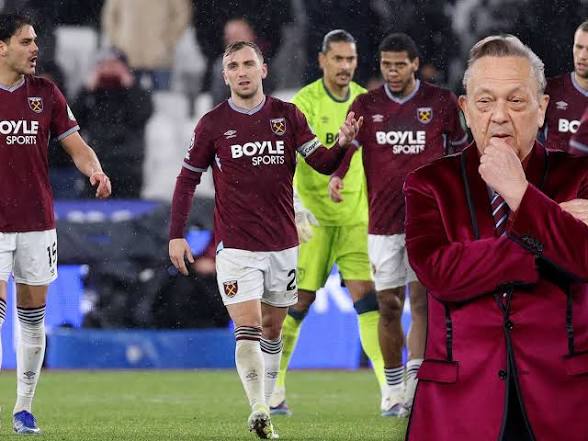
The shock of losing someone so closely connected to the team naturally sent waves of grief through the camp.
Several players were reportedly informed shortly before scheduled pre-match activities, leaving many emotionally devastated and unable to focus fully on football preparations.
Emotional Impact on Players and Staff
Moments like these deeply affect everyone connected to a football club.
Managers may prepare tactical systems all week, but no strategy can shield a squad from emotional trauma. Losing a colleague unexpectedly can destabilize players mentally and emotionally, especially when the individual was deeply respected within the organization.
Sources suggest that club officials immediately began internal discussions after the tragic news emerged. Concerns were raised not only about logistics and scheduling but also about the mental wellbeing of players expected to compete hours after receiving heartbreaking information.
In modern football, mental health awareness has become increasingly important. Authorities now recognize that athletes are human beings first before entertainers.
Allowing grieving players time to process such devastating news may ultimately become the most respectful and compassionate decision.
Fans Put Rivalries Aside
One of the most touching developments following the news has been the response from supporters.
Rivalries instantly faded as fans from both clubs expressed sympathy and solidarity online. Messages of condolence flooded social media platforms, with many supporters calling for the match to be postponed entirely as a mark of respect.
Hashtags related to unity, remembrance, and compassion quickly began trending among football communities.
Many West Ham and Leeds supporters acknowledged that football results suddenly became insignificant in comparison to the value of human life.
Some fans also shared personal stories of how club doctors and medical staff often work under immense pressure while receiving little public recognition.
Others praised the dedication shown by medical teams across football, especially after recent years highlighted the importance of emergency care and player welfare in sports.
Football’s Growing Respect for Human Tragedy
In previous decades, football sometimes pushed forward regardless of personal tragedy. Today, however, there is greater understanding around grief, trauma, and emotional readiness.
Recent years have shown several examples where fixtures were postponed or rescheduled due to extraordinary emotional circumstances affecting clubs or communities.
Authorities increasingly recognize that forcing players onto the pitch during periods of profound shock may not only affect performance but also emotional wellbeing.
Should the kickoff time indeed be changed, it would likely be viewed by many as an appropriate gesture of compassion and respect.
Football associations understand the symbolic importance of these decisions. A postponement is never merely about scheduling; it reflects humanity within the sport.
The Unsung Role of Team Doctors
The tragedy has also renewed conversations around the often-overlooked contribution of medical personnel in football.
Team doctors play critical roles every single day. They monitor injuries, oversee rehabilitation, respond to emergencies, advise coaches, and safeguard player health during intense competition.
Without them, modern football simply could not function.
During matches, they are usually the first individuals sprinting onto the pitch whenever a player collapses or suffers injury. Their expertise can mean the difference between life and death in critical moments.
Behind closed doors, they work countless hours away from media attention, dedicating themselves fully to athlete care.
For many clubs, medical staff become the emotional backbone of the dressing room.
That is why this loss feels so personal to everyone involved.
Possible Fixture Rearrangement
Although official communication is still awaited, there are several possible outcomes regarding the fixture:
* A delayed kickoff later in the evening.
* A full postponement to a future date.
* A shortened pre-match ceremony dedicated to honoring the doctor.
* A minute of silence before kickoff if the game proceeds.
League organizers are expected to consult both clubs before finalizing any decision.
Broadcasters, stadium officials, security personnel, and travel arrangements must also be considered when altering match schedules at short notice.
However, most supporters agree that respect for the grieving individuals involved should remain the top priority.
Players Likely to Need Emotional Support
Sports psychologists and welfare teams are also expected to play important roles over the coming days.
Professional footballers often develop strong personal bonds with medical staff through injury recoveries and day-to-day interactions at training grounds.
Some players may struggle emotionally, particularly those who worked closely with the doctor over several seasons.
Clubs today place greater emphasis on counseling services and emotional support structures during periods of grief.
This tragedy serves as another reminder that even elite athletes require compassion, care, and psychological support during painful moments.
A Reminder That Football Is Family
At its core, football remains a community built on shared experiences, emotions, and relationships.
Whether inside dressing rooms, training facilities, or packed stadiums, bonds formed through football often extend far beyond the sport itself.
The sorrow surrounding the West Ham versus Leeds United fixture has highlighted that reality once again.
For now, attention has shifted away from league standings, tactics, and score predictions.
Instead, players, staff, and fans are united in grief — mourning the loss of someone who dedicated their life to caring for others within the beautiful game.
And in moments like these, football stands still together.









Post Comment