SPFL RELEASED THE REASON WHY RANGERS FIRST GOAL WAS FLAG OFFSIDE.
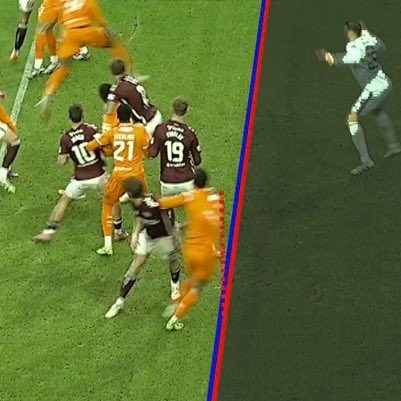
SPFL RELEASES OFFICIAL EXPLANATION FOR DISALLOWED RANGERS GOAL AGAINST HEARTS
The Scottish Professional Football League (SPFL) has released an official statement explaining why Rangers’ first goal against Hearts was ruled out for offside, following widespread debate and frustration among supporters after the match.
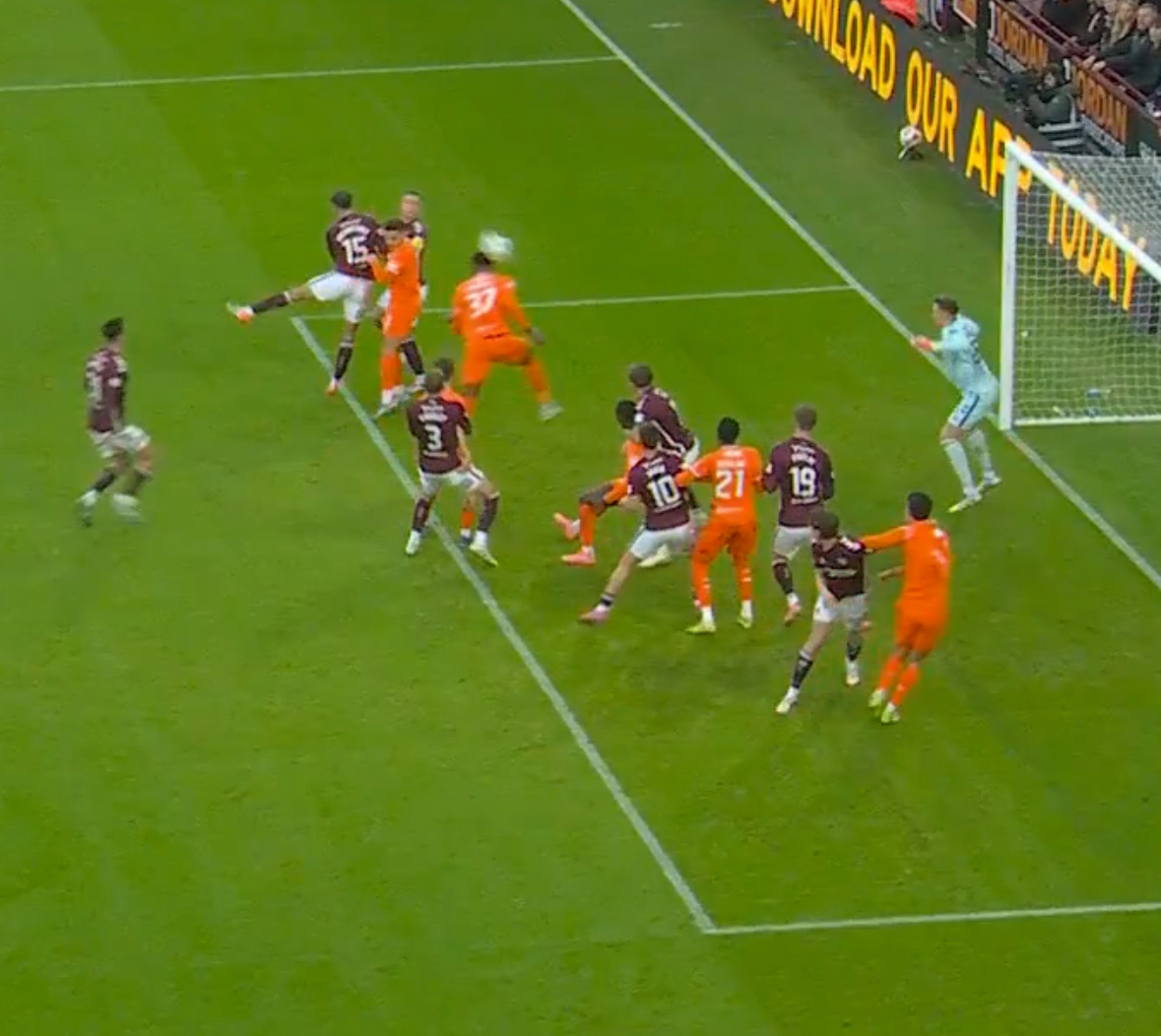
The incident occurred in the first half of the Rangers vs Hearts clash, when Rangers thought they had taken an early lead through Stuart, only for the assistant referee to immediately raise the flag. The goal was disallowed on the pitch, and after further checks, the decision stood—sparking intense discussion both inside the stadium and across social media.
The Incident That Changed the Game
Rangers started the match aggressively, pressing Hearts high and creating early chances. The breakthrough appeared to arrive when Stuart found the back of the net after a swift attacking move that sliced through the Hearts defence. Ibrox erupted, believing Rangers had gained a crucial early advantage.
However, celebrations were cut short as the assistant referee flagged for offside. The referee quickly communicated the decision, and play was restarted with a free kick to Hearts. Almost instantly, confusion and anger spread among Rangers players and fans, many of whom believed the goal should have stood.
SPFL’s Official Explanation
In response to the controversy, the SPFL released a detailed explanation outlining why the goal was ruled out.
According to the statement, Stuart was in an offside position at the moment the final pass was played, with a part of his body deemed ahead of the second-last Hearts defender. The SPFL clarified that the decision was based on the laws of the game, which state that any part of the body that can score a goal—such as the head, torso, or foot—being beyond the defensive line constitutes an offside offence.
The SPFL also confirmed that the assistant referee’s decision was supported by post-match review, including broadcast angles and available technology used to assess the phase of play.
“At the moment the ball was played forward, the attacking player was marginally ahead of the last defender. The assistant referee was correctly positioned and made the decision in line with the Laws of the Game,” the SPFL statement read.
VAR and the Margins Debate
Although VAR involvement was limited, the SPFL acknowledged that the decision was a marginal one, falling into the increasingly common category of “tight offsides” that often frustrate supporters.
They stressed that even when the margins are small, officials are required to apply the law consistently.
“Offside decisions are judged on factual positioning, not intent or advantage gained,” the statement added. “Even minimal infringements must be penalised.”
This explanation has done little to calm some sections of the Rangers fanbase, many of whom argue that such fine margins are damaging the flow and spirit of the game.
Reaction from Rangers Camp
While Rangers officials refrained from making inflammatory remarks, sources close to the club expressed disappointment with the decision, suggesting it had a significant impact on the match’s momentum.
Several Rangers players were visibly frustrated at the time, gesturing toward the assistant referee and questioning how such a close call could be deemed offside. Supporters echoed those sentiments, flooding social media with freeze-frame images and video clips they believe show Stuart level with the defender.
Hearts’ Perspective
From Hearts’ point of view, the decision was seen as a correct and important call. Hearts players quickly regrouped after the disallowed goal and used the moment as motivation to stay compact and disciplined defensively.
Their coaching staff later pointed out that defensive organisation and a well-timed offside line are part of the tactical side of the game, and that officials enforcing the law correctly should not be criticised.
A Familiar Controversy in Scottish Football
The incident has once again highlighted the ongoing tension surrounding officiating decisions in Scottish football. Offside calls—especially those decided by narrow margins—remain one of the most contentious aspects of the modern game.
Fans continue to demand greater transparency, clearer communication, and improved technology to reduce controversy. The SPFL’s decision to publicly explain the ruling was seen by some as a step in the right direction, even if it failed to satisfy everyone.
Conclusion
The SPFL has stood firmly by the decision to disallow Rangers’ first goal against Hearts, insisting the offside call was correct under the laws of the game. While Rangers supporters remain unconvinced, the league’s explanation underscores its commitment to consistency and rule enforcement.
As debates rage on, one thing is certain: moments like this continue to shape matches, fuel controversy, and keep Scottish football at the centre of passionate discussion—on and off the pitch.







Post Comment