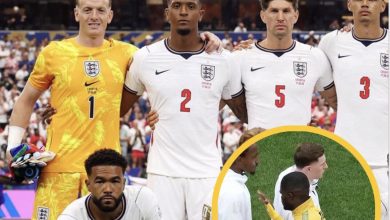
England Demand FIFA Change Referee for Argentina World Cup Semi-Final Over Claims He Is a Known Argentina Supporter

In a dramatic escalation of tensions ahead of one of the most anticipated matches in recent football history, the English Football Association (FA) has reportedly lodged a formal demand with FIFA to replace the appointed referee for the 2026 FIFA World Cup semi-final between England and Argentina. The request stems from allegations that the selected official maintains close ties to Argentina and has demonstrated pro-Albiceleste bias in past matches, raising serious questions about impartiality in what promises to be a fiery encounter.
The semi-final, scheduled for Wednesday in Atlanta, pits two footballing giants against each other in a rematch loaded with historical baggage. England and Argentina last clashed memorably in the 1986 World Cup quarter-final, where Diego Maradona’s infamous “Hand of God” goal and his subsequent “Goal of the Century” secured victory for the South Americans amid the shadow of the 1982 Falklands War. That geopolitical conflict continues to influence referee appointments today, with FIFA maintaining strict neutrality protocols that bar English referees from officiating Argentina matches.
Background to the Controversy
As both nations advanced to the final four—England overcoming their quarter-final opponents and Argentina edging Switzerland 3-1 in extra time after a highly contentious display—the spotlight has turned sharply toward match officials. Switzerland’s players and coaching staff publicly slammed the refereeing in their quarter-final loss as “one-sided,” citing decisions that favored the defending champions, including a controversial red card and key VAR interventions.
Similar complaints emerged earlier in the tournament. Egypt filed an official complaint with FIFA after their last-16 defeat to Argentina, accusing officials of “double standards” and demanding their exclusion from further duties. Fans and pundits have amplified these concerns, pointing to patterns in Argentina’s progression that appear to benefit Lionel Messi’s side.
Against this backdrop, reports surfaced that the proposed referee for the England-Argentina clash has been flagged for alleged pro-Argentina sympathies. While FIFA has not yet publicly confirmed the appointee—appointments are typically announced 24-48 hours before kick-off—sources close to the FA suggest the individual in question has social media history, past associations, or on-pitch decisions that indicate favoritism. England’s demand seeks to uphold the integrity of the competition, emphasizing that in such a high-stakes game, even the perception of bias could undermine the result.
FIFA’s referee selection process is rigorous, factoring in performance ratings, neutrality, and geopolitical sensitivities. English officials Michael Oliver and Anthony Taylor, among the Premier League’s finest, are explicitly barred from Argentina games due to the Falklands legacy. This policy extends to scenarios where their decisions could indirectly influence England’s path, effectively sidelining them from the semi-final and potential final.
Historical Rivalry and Modern Stakes
The England-Argentina rivalry transcends sport. The 1982 Falklands War, a brief but bitter conflict over the South Atlantic islands, left deep scars. Argentina still claims the Malvinas, and the footballing encounters often serve as proxy battles. Maradona’s 1986 heroics were celebrated in Argentina partly as revenge for the war. Subsequent meetings, including penalty shootout dramas in later tournaments, have only intensified emotions.
In 2026, the context is different but no less charged. Argentina, led by an aging but iconic Messi, are chasing back-to-back titles—a feat last achieved by Brazil in the 1960s. England, under manager Thomas Tuchel, have built a formidable squad blending youth and experience, with stars like Jude Bellingham and Harry Kane hungry for their first World Cup triumph since 1966.
The semi-final venue in Atlanta adds another layer. Neutral on paper, but with significant diaspora communities from both nations, the atmosphere will be electric. Fans on social media are already buzzing, with some England supporters fearing a “rigged” narrative if refereeing controversies persist.
Refereeing Scrutiny Across the Tournament
This is not an isolated incident. The 2026 World Cup has been marred by officiating debates. VAR reviews, red cards for simulation, and penalty awards have drawn ire from multiple teams. Switzerland’s complaints focused on perceived leniency toward Argentina’s attackers and harshness toward their defenders. Egypt highlighted a disallowed wonder goal and a decisive penalty.
FIFA’s refereeing chief has defended officials, stressing the difficulty of high-pressure decisions. However, with billions watching and national pride on the line, transparency is paramount. England’s demand aligns with a broader push for accountability. The FA is understood to have compiled evidence, including referee performance data and public statements, to support their case.
Critics argue that changing a referee so late could set a dangerous precedent. FIFA must balance this against the need for perceived fairness. Past World Cups have seen last-minute adjustments for injuries or other issues, but political or bias claims are rarer.
Potential Implications
If FIFA accedes to England’s request, it could calm tensions but invite accusations of favoritism toward the Europeans. Rejection might fuel conspiracy theories, especially given Argentina’s path. Either way, the match will test the limits of sportsmanship.
On the pitch, both teams boast attacking talent. Argentina’s frontline, featuring Messi, Julián Álvarez, and Lautaro Martínez, thrives on creativity and clinical finishing. England counter with pace, set-piece prowess, and midfield control. Tactical battles—Tuchel’s organization versus Argentina’s flair—will define the game, but referee calls on fouls, dives, and offside could prove decisive.
Broader Context: Football, Politics, and Fair Play
This episode underscores football’s entanglement with politics. FIFA’s neutrality rules, born from conflicts like the Falklands, aim to prevent bias but can create logistical headaches in later stages. The 2026 tournament, co-hosted across North America, has showcased global passion but also vulnerabilities in governance.
Pundits recall other referee controversies: the 2002 South Korea run, disputed penalties in various finals. Integrity remains the sport’s bedrock. England’s move, while bold, reflects a commitment to that principle—or strategic gamesmanship, depending on perspective.
Social media has exploded. Hashtags like #FairPlayForEngland and #MessiMagic trend alongside memes revisiting Maradona’s handball. Former players have weighed in, with some defending Argentina’s resilience and others calling for stricter FIFA oversight.
Looking Ahead
As the clock ticks toward kick-off, all eyes are on FIFA’s response. A neutral, highly-rated referee from a non-involved nation seems the safest path. Both camps will prepare meticulously: Argentina seeking to extend their dynasty, England aiming to exorcise historical demons.
The winner advances to the final against the victor of the other semi (likely France or Spain). For England fans, this is a chance at glory; for Argentina, destiny. But the referee saga risks overshadowing the football if unresolved.
In an era of instant replay and global scrutiny, ensuring officials are beyond reproach is non-negotiable. England’s demand highlights the pressures on modern football administration. Whether FIFA changes the referee or stands firm, the semi-final will be remembered not just for goals, but for how the sport polices itself under the brightest lights.
This controversy adds yet another chapter to the rich, turbulent tapestry of England-Argentina clashes. Football purists hope the beautiful game prevails over off-field drama, but history suggests otherwise. As teams train and fans travel, one truth endures: in a World Cup semi-final between these foes, nothing is ever simple.