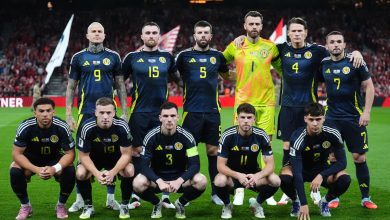
SFA Confirms Ex-Rangers Legend as Leading Contender for Scotland Head Coach as SPFL Releases Shock Official Statement

In a dramatic turn of events that has sent shockwaves through Scottish football, the Scottish Football Association (SFA) has confirmed that a legendary former Rangers player and manager is the leading contender to succeed Steve Clarke as the national team’s head coach. This revelation comes hot on the heels of Scotland’s disappointing exit from the 2026 FIFA World Cup, which prompted Clarke’s resignation after seven years in charge. Adding fuel to the fire, the Scottish Professional Football League (SPFL) has issued an unexpected official statement that appears to endorse a domestic solution, stirring intense debate among fans, pundits, and club officials alike.
The timing could not be more poignant. Scotland entered the 2026 World Cup with genuine hopes of progressing beyond the group stage for the first time in decades, buoyed by qualifying successes under Clarke. However, a narrow 1-0 win over Haiti was followed by defeats to Morocco and Brazil, sealing an early exit. Clarke, widely regarded as Scotland’s most successful manager in the modern era for guiding the team to Euro 2020, Euro 2024, and the World Cup, announced his departure immediately after the tournament. His legacy includes instilling belief, tactical discipline, and a never-say-die mentality in a squad that had long struggled on the international stage. Yet, the harsh reality of another group-stage elimination proved too much, leading to his emotional farewell.
Enter the SFA’s bombshell. Sources close to the governing body have revealed that Ally McCoist, the iconic ex-Rangers striker and former manager, has emerged as the frontrunner. McCoist, affectionately known as “Super Ally” by the Ibrox faithful, boasts a playing career that reads like a dream for any Rangers supporter. With over 500 appearances and more than 300 goals for the club, he was instrumental in the nine-in-a-row league title streak in the late 1980s and early 1990s under Graeme Souness and Walter Smith. His partnership with Mark Hateley became the stuff of legend, terrorizing defenses across Scotland and Europe.
Beyond his playing days, McCoist’s managerial stint at Rangers from 2011 to 2014, though marred by off-field financial turmoil, showcased his passion and leadership. He later served as an assistant to Walter Smith with the Scotland national team and has remained a vocal, knowledgeable presence in the media. SFA Chief Executive Ian Maxwell has reportedly been inundated with interest following Clarke’s exit, but insiders suggest McCoist’s deep connection to Scottish football, his motivational prowess, and his understanding of the domestic game make him the standout candidate.
“Ally embodies what Scottish football is all about – grit, determination, and an unyielding love for the jersey,” one SFA insider told reporters. “He’s not just a contender; at this moment, he’s the one the board sees as capable of uniting the nation.”
The announcement has ignited a frenzy of speculation. McCoist, now in his 60s, has enjoyed a successful broadcasting career with talkSPORT and BBC, where his insightful analysis and charismatic personality have won him admirers across the divide. Supporters on both sides of the Old Firm have weighed in, with many Rangers fans thrilled at the prospect of their hero leading the Tartan Army, while some Celtic supporters question the wisdom of appointing a figure so closely associated with one club. Neutral observers, however, point to McCoist’s experience working with the national setup and his ability to galvanize players as key strengths.
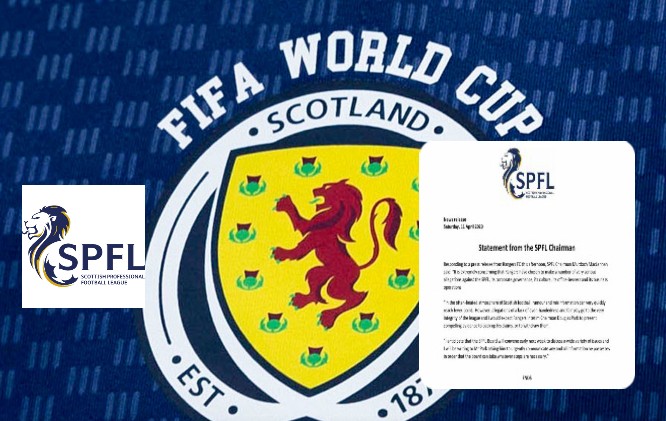
Compounding the drama is the SPFL’s shock official statement, released late on a Friday evening. In a move that has left many scratching their heads, the league body – typically focused on club competitions – broke its silence on the national team vacancy. The statement reads in part: “The SPFL acknowledges the SFA’s challenging task in appointing the next Scotland head coach. We believe the best candidate will prioritize the development of homegrown talent from our leagues and foster stronger integration between club and country pathways. Scottish football thrives when our domestic game feeds directly into international success.”
While the wording appears measured, the timing and emphasis on “domestic” solutions have been interpreted by many as a thinly veiled push towards a Scottish-born or Scottish-based manager, implicitly boosting McCoist’s credentials over foreign alternatives. This intervention has raised eyebrows, as the SPFL and SFA, though intertwined, usually maintain a degree of separation on such matters. League officials may be concerned about player fatigue, fixture congestion, or the potential loss of top talent to more lucrative foreign leagues if an outsider is appointed who demands immediate results through imports.
Critics have slammed the SPFL’s statement as overreach. “Why is the league getting involved in what is clearly the SFA’s domain?” asked one prominent journalist. “It smacks of politics and could undermine the process.” Others see it as a pragmatic acknowledgment of the need for continuity. With the 2028 European Championships set to be hosted (at least in part) on home soil, Scotland needs a coach who understands the unique pressures of qualifying campaigns and can build on Clarke’s foundations without a radical overhaul.
McCoist’s potential appointment would mark a return to a more traditional, passionate approach to international management. Unlike Clarke’s reserved, tactically meticulous style, McCoist is known for his firebrand enthusiasm. During his Rangers days, he inspired underdog victories and instilled a winning mentality even in adversity. Pundits like him have long advocated for Scotland to “punch above their weight” by playing with heart and leveraging the physicality and technical skill prevalent in the SPFL.
Consider his track record in development: As a pundit, McCoist has frequently highlighted young talents emerging from clubs like Hearts, Aberdeen, and even lower leagues. His links to Rangers could facilitate better relations with Ibrox, where several Scotland internationals ply their trade. Players such as John McGinn, Scott McTominay (though based in England), and emerging stars would likely respond to his motivational talks. Imagine McCoist in the technical area, rallying the troops with that familiar gravelly roar – it could be the shot in the arm the Tartan Army desperately needs after the World Cup heartbreak.
Of course, challenges abound. McCoist lacks recent top-level managerial experience, having stepped away from the dugout years ago. Critics argue that the international game demands modern tactical acumen, data-driven decisions, and experience against elite opposition – areas where foreign coaches might excel. Names like Russell Martin or even overseas options have been floated, but the SFA seems keen on a “people’s choice” amid fan discontent.
The financial implications are significant too. Appointing McCoist could boost ticket sales and merchandise for friendlies and qualifiers, capitalizing on his popularity. With hosting duties for Euros 2028 looming, investment in infrastructure and youth pathways becomes paramount. The SPFL statement hints at a collaborative approach, potentially leading to reforms in player release policies and shared scouting networks.
Fan reactions have been predictably polarized yet overwhelmingly passionate. On social media, #SuperAllyForScotland trended rapidly, with thousands sharing memories of his glory days. One Rangers supporter group declared, “He’s bled blue, but he’ll bleed tartan now.” Celtic fans, while skeptical, acknowledged his footballing pedigree. Broader Scottish football enthusiasts see it as an opportunity to heal divides and focus on collective success.
Delving deeper into McCoist’s suitability, one must examine his philosophy. In interviews, he has emphasized mental resilience – a trait Scotland often lacked in big tournaments. His time alongside Walter Smith taught him the value of organization and squad harmony. Smith himself managed Scotland successfully for a period, providing a blueprint McCoist could follow. Moreover, McCoist’s media savvy would serve him well in handling press scrutiny, a perennial issue for national coaches.
The road ahead for whoever takes the job includes Nations League campaigns and building towards 2028. Scotland’s squad possesses quality – think Callum McGregor, Kieran Tierney, and the next generation – but consistency is key. A McCoist-led side might favor a more direct, high-pressing style, drawing on the intensity seen in domestic derbies.
As negotiations continue, the SFA faces pressure to act swiftly yet deliberately. Background checks, contract negotiations, and backroom staff appointments (potentially retaining elements of Clarke’s team like Steven Naismith) will take time. The SPFL’s statement adds another layer, possibly signaling clubs’ willingness to support the new coach through flexible scheduling.
This saga underscores the passion that defines Scottish football. From the highs of qualification to the lows of elimination, the nation’s supporters live and breathe every moment. Whether McCoist ultimately gets the nod or serves as a catalyst for another choice, his emergence as leading contender has reinvigorated the conversation. It reminds us why we love the game: for the legends, the surprises, and the eternal hope of glory.
In conclusion, the SFA’s confirmation and the SPFL’s intervention mark a pivotal chapter. Scottish football stands at a crossroads, with an ex-Rangers icon poised to lead the charge. The coming weeks will reveal if nostalgia and domestic expertise can translate into future success on the pitch. For now, the Tartan Army dares to dream once more.