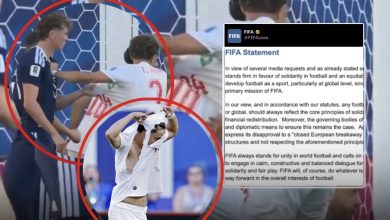
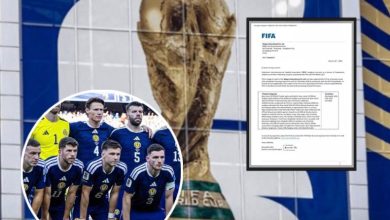
SCOTLAND SET TO BENEFIT AFTER FIFA DROPS BOMBSHELL STATEMENT ON THE MISSED PENALTY FOLLOWING SUSPENSION OF REFEREE FOR FAILING TO CHECK VAR IN THE MOROCCO MATCH

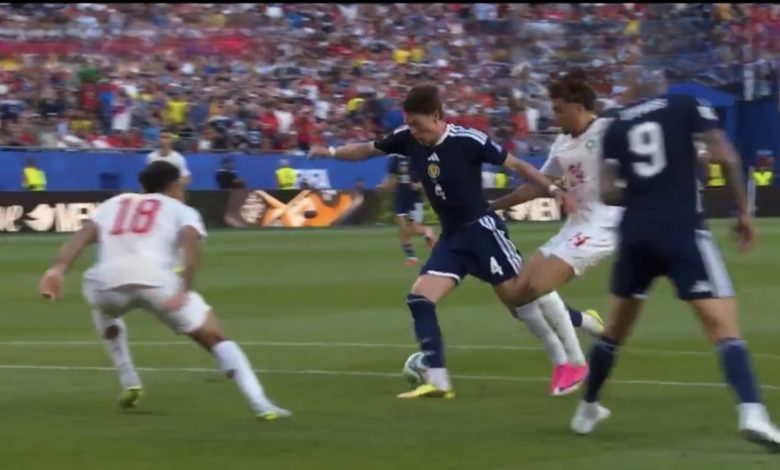
FIFA REFEREE DRAMA THROWS WORLD CUP GROUP INTO TURMOIL AS SCOTLAND HANDED UNEXPECTED LIFELINE
The fallout from Scotland’s controversial World Cup defeat to Morocco has taken another dramatic turn after FIFA reportedly issued a stunning statement regarding one of the most talked-about incidents of the tournament so far.
What initially appeared to be just another painful defeat for Steve Clarke’s side has now exploded into a major controversy involving VAR, officiating standards, and growing questions over whether Scotland were denied a crucial opportunity that could ultimately define their World Cup campaign.
The match itself was already surrounded by debate. Morocco secured a narrow victory in a tense encounter that left Scottish players, coaching staff, and supporters furious over several decisions. However, one moment in particular has continued to dominate headlines long after the final whistle.
Midway through the second half, Scotland appealed passionately for a penalty following a challenge inside the Moroccan penalty area. Players immediately surrounded the referee, insisting that contact had been made and demanding a review. Television replays appeared to fuel the controversy further, with many supporters claiming the incident warranted a closer look.
Yet the match continued.
No VAR review was conducted. No pitch-side monitor check was requested. The referee waved away the protests and allowed play to continue, leaving Scotland stunned.
At the time, the decision was treated as a controversial talking point. But nobody expected the situation to escalate to the level it has now reached.
According to reports circulating around the tournament, FIFA’s internal review allegedly examined the incident in detail and concluded that proper VAR procedures were not followed. The resulting developments have sent shockwaves through the football world.
The biggest bombshell came when news emerged that the referee involved had reportedly been suspended pending further investigation into the handling of the incident.
That revelation alone was enough to trigger widespread debate across social media, where fans from multiple nations immediately began questioning how such a significant decision could have been overlooked during one of football’s biggest competitions.
For Scotland supporters, the announcement felt like partial vindication.
Many had spent days arguing that their team had been unfairly treated. Now, with questions surrounding the officiating process itself, those complaints suddenly appear far more difficult to dismiss.
The timing could hardly be more significant.
Scotland remain locked in a fiercely competitive group where every point could determine qualification for the knockout stages. A single goal, a single decision, or a single point may ultimately separate success from elimination.
That reality has led to growing speculation regarding what FIFA could do next.
Would the governing body simply acknowledge the error and move on?
Could disciplinary action against officials be the end of the story?
Or might Scotland somehow receive a form of sporting relief following the controversy?
Those questions have intensified following reports that FIFA’s statement acknowledged concerns regarding the failure to properly consult VAR during the crucial moment.
While nobody expects the result itself to be overturned, the acknowledgment has dramatically changed the narrative surrounding the match.
Instead of discussing Morocco’s victory alone, attention has shifted toward the officials and the decision-making process that led to one of the tournament’s most contentious incidents.
Inside Scotland’s camp, sources claim players were left frustrated by the situation.
Several squad members reportedly felt the incident represented a turning point in the match. Coaching staff were also said to be deeply disappointed by what they viewed as a missed opportunity to receive a fair review of the challenge.
Manager Steve Clarke has largely avoided escalating tensions publicly, but there is little doubt the controversy has become a major distraction ahead of Scotland’s next crucial fixture.
Ironically, the situation may also create additional pressure on future match officials.
Every major decision involving Scotland from this point forward is likely to face intense scrutiny. Referees will know that millions of viewers are now paying closer attention than ever to how key incidents are handled.
Meanwhile, Morocco have found themselves dragged into a controversy they never expected.
The players can rightly argue that they simply played the match under the conditions presented to them and have no responsibility for officiating decisions. Nevertheless, the debate surrounding the penalty incident has inevitably overshadowed aspects of their impressive performance.
As the tournament continues, the controversy shows no signs of disappearing.
Former players, pundits, and analysts continue to debate whether Scotland were genuinely denied a game-changing opportunity. Social media discussions have become increasingly heated, with supporters from across the football world offering differing interpretations of the incident.
Some insist the challenge was a clear penalty.
Others argue that the decision was far less obvious than critics suggest.
What almost everyone agrees on, however, is that the failure to conduct a proper VAR review has become the central issue.
The entire purpose of VAR is to prevent potentially decisive mistakes from determining matches. When questions emerge about whether the system itself was properly used, confidence in the process inevitably comes under pressure.
That is why FIFA’s reported intervention has generated such enormous attention.
The governing body’s actions have transformed what was once a disputed penalty appeal into one of the defining controversies of the World Cup.
For Scotland, the sense of frustration remains.
But there is also growing belief that the latest developments may work in their favour moving forward. Whether through increased scrutiny of officiating decisions, potential procedural changes, or simply renewed momentum within the squad, many supporters now feel their team has gained an unexpected lifeline.
The coming days could prove crucial.
One thing is certain: what happened during the Morocco match is no longer just a disputed penalty claim.
It has become
a full-blown World Cup controversy — and the repercussions may only be beginning.