SACK DECISION MADE: RANGERS FC ‘LINE UP DEREK MCINNES SUCCESSOR’ AFTER JUST TWO GAMES.

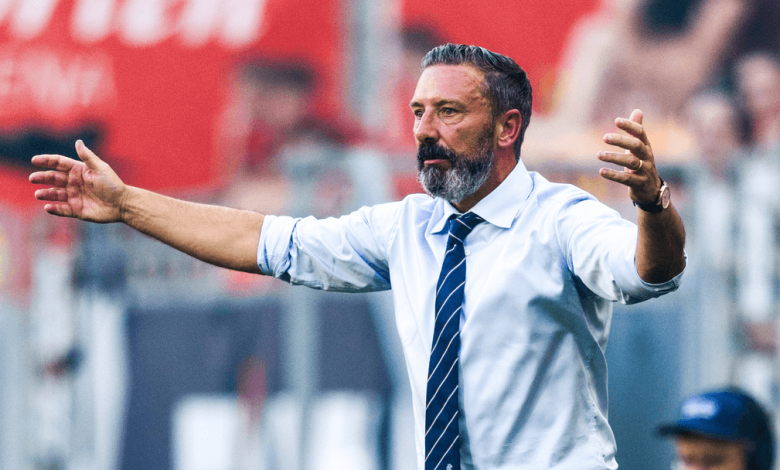
Scottish football has once again been thrown into the spotlight following sensational reports suggesting Rangers are already preparing for life after Derek McInnes, despite the experienced manager having taken charge of only two competitive matches.
The speculation has sparked fierce debate among supporters and pundits alike, with many questioning whether the rumours have any substance or simply reflect the relentless pressure that comes with managing one of Scotland’s biggest football clubs.
While there has been no official indication from Rangers that McInnes is under immediate threat, reports linking the club with potential replacements have inevitably fuelled discussion about the expectations surrounding the Ibrox hot seat.
An Extraordinary Situation
Few managerial positions in British football come with greater scrutiny than the Rangers job. Every result is analysed, every tactical decision dissected and every transfer examined in minute detail.
McInnes accepted the challenge knowing exactly what would be expected of him. Tasked with restoring Rangers to the top of Scottish football and delivering success both domestically and in Europe, he inherited a squad facing enormous expectations from a demanding fanbase.
However, suggestions that the club’s hierarchy could already be considering alternatives after just two matches would represent an extraordinary turn of events.
Managers are typically afforded time to implement their philosophy, particularly during the opening weeks of a campaign. Tactical systems require adjustment, new signings need opportunities to settle and players must adapt to different methods of coaching.
That is why the latest speculation has surprised many observers.
Pressure Never Disappears
Managing Rangers has never been a role for the faint-hearted.
Throughout the club’s history, even successful managers have faced criticism during difficult spells. Expectations remain sky high regardless of circumstances, with supporters demanding victories in virtually every domestic fixture while expecting meaningful progress on the European stage.
The Old Firm rivalry with Celtic only intensifies that pressure.
Every dropped point is magnified, and every defeat inevitably raises questions about the direction of the club.
McInnes understands that reality better than most.
Having managed extensively in Scottish football, he is fully aware that patience can often be in short supply when results fail to match ambitions.
Why Successors Are Already Being Mentioned
Reports linking Rangers with potential replacements may not necessarily indicate an imminent managerial change.
Large football clubs frequently maintain contingency plans for every senior position within the organisation.
Sporting directors and recruitment departments routinely assess coaching candidates across Europe, ensuring they are prepared should circumstances unexpectedly change.
This is increasingly common throughout modern football.
Elite clubs rarely wait until a vacancy appears before identifying potential managerial targets.
Instead, they continuously monitor coaches whose tactical philosophies align with the club’s long-term vision.
Consequently, speculation about possible successors does not automatically mean Rangers have lost confidence in McInnes.
Rather, it may reflect standard strategic planning behind the scenes.
Supporters Divided
The reports have generated mixed reactions among Rangers supporters.
Some believe discussion surrounding replacements is both unfair and premature.
They argue that any manager deserves sufficient time to build relationships within the squad, establish tactical principles and oversee several transfer windows before facing judgement.
Others point out that Rangers’ ambitions leave little room for prolonged inconsistency.
For a club expected to compete for every domestic trophy while challenging in Europe, standards remain exceptionally high.
As a result, even early setbacks can quickly intensify speculation.
The Importance of Stability
Recent football history demonstrates the value of managerial stability.
Several clubs across Europe have enjoyed sustained success after resisting the temptation to make impulsive changes following disappointing starts.
Building a winning culture often requires consistency in leadership.
Players benefit from clearly defined tactical structures, recruitment becomes more focused and long-term planning becomes significantly easier when a manager is given the opportunity to develop his project.
Frequent managerial turnover can disrupt that process.
New coaches often arrive with different tactical ideas, altered transfer priorities and fresh demands, making continuity difficult to achieve.
For Rangers, maintaining stability could prove particularly important if the club hopes to challenge consistently over several seasons.
What McInnes Brings
One reason Rangers appointed McInnes was his extensive managerial experience.
Over many years in Scottish football, he established a reputation for organisation, tactical discipline and developing competitive teams capable of outperforming expectations.
His sides have traditionally been difficult to break down while remaining capable of producing effective attacking football.
Those qualities were expected to provide Rangers with a solid platform as they pursue domestic honours.
Experience also brings resilience.
Managers who have spent decades in football understand that criticism forms part of the profession.
McInnes has encountered difficult periods before and demonstrated an ability to guide teams through adversity.
Early Judgements Can Be Misleading
Football history is filled with examples of managers overcoming poor starts to enjoy remarkable success.
Several elite coaches endured difficult opening months before transforming their clubs into champions.
Likewise, some managers who began with impressive winning runs ultimately struggled over the longer term.
Results across only two matches rarely provide sufficient evidence to draw meaningful conclusions.
Fitness levels continue improving, tactical familiarity develops gradually and new players require time to establish chemistry with teammates.
Evaluating a manager after such a limited sample risks overlooking the broader picture.
Transfer Window Still Influential
The transfer market also plays an important role.
Should Rangers strengthen key areas of the squad before the window closes, perceptions surrounding the team’s prospects could change rapidly.
Managers are frequently judged based on resources available to them.
Additional signings may provide improved balance, greater competition for places and tactical flexibility capable of transforming performances.
Equally, departures could present fresh challenges.
The composition of the squad several weeks from now may look significantly different from the group available during the opening fixtures.
The Media Spotlight
Few stories generate as much attention in Scotland as managerial speculation involving Rangers.
Even relatively minor rumours can dominate headlines for days, particularly when linked with one of the country’s biggest clubs.
Modern football’s twenty-four-hour news cycle ensures speculation spreads rapidly across television, newspapers and social media platforms.
Supporters inevitably encounter constant discussion regarding potential managerial changes, regardless of whether those stories ultimately prove accurate.
That environment creates additional pressure for both the coaching staff and players.
Remaining focused amid widespread speculation becomes an essential part of life at elite football clubs.
What Happens Next?
Ultimately, Rangers’ immediate future will be shaped by performances on the pitch.
Positive results tend to silence speculation quickly, while disappointing displays often intensify scrutiny.
Should McInnes guide the team through a successful opening period, reports surrounding possible successors are likely to fade into the background.
Conversely, continued struggles would inevitably generate further debate over the club’s direction.
For now, however, the emphasis remains firmly on upcoming fixtures rather than rumours.
A Defining Period
The opening weeks of any managerial reign are important but rarely decisive.
They offer opportunities to establish tactical foundations, build confidence and create momentum heading into the remainder of the season.
For Derek McInnes, the challenge is clear.
Deliver performances that demonstrate progress, secure positive results and gradually convince supporters that Rangers are moving in the right direction.
Speculation regarding potential replacements may continue in the background, but football ultimately remains a results-driven business.
If Rangers begin producing convincing performances and collecting victories, the conversation will quickly shift from discussing possible successors to evaluating how far McInnes can take the club.
Until then, the rumours surrounding the Ibrox dugout serve as another reminder of the extraordinary expectations associated with managing one of Britain’s most demanding football institutions.
Whether the speculation proves to be nothing more than routine conjecture or develops into something more significant will depend largely on what unfolds on the pitch over the coming weeks.