WILFRED NANCY BREAKS SILENCE WITH SHOCKING STATEMENT AFTER CELTIC SACKING

In what has rapidly become one of the most startling managerial sagas in recent Scottish football history, Wilfried Nancy has emerged from the fallout of his abrupt dismissal by Celtic Football Club with a statement that has set social and sporting discourse ablaze. The developments surrounding Nancy’s tenure, dismissal, and subsequent public remarks reveal not only the intense pressures faced by managers at elite clubs but also the complex interplay between tactical philosophy, fan expectations, and institutional decision-making.
A Short-Lived Reign Ends Abruptly
Wilfried Nancy’s appointment as Celtic manager in early December 2025 was initially framed as a bold new chapter for the Scottish champions. The club secured Nancy on a two-and-a-half-year deal after his successful stint in Major League Soccer, notably winning the MLS Cup and other honours with Columbus Crew, and being recognised as one of the league’s most promising coaches.
However, what unfolded in the ensuing weeks was a dramatic downturn in results and confidence. Over the course of just eight games, Nancy’s side secured only two victories while succumbing to six defeats across all competitions — a run that included a humiliating 3–1 loss to fierce rivals Rangers in the Old Firm derby.
The club’s hierarchy, already under scrutiny following the departure of previous manager Brendan Rodgers, acted decisively. On 5 January 2026, Celtic announced that Nancy’s contract had been terminated with immediate effect — a decision that resulted in the shortest managerial tenure in the club’s 138-year history.
Contextualising the Collapse
To understand the ferocity of the reaction to Nancy’s tenure, it is essential to place the sacking within the broader competitive and cultural landscape of Scottish football. Celtic, as one of the nation’s dominant clubs, carries an expectation of domestic success and European competitiveness. Under Nancy, the team’s defensive frailties were on stark display: they conceded goals at an alarming rate, failed to maintain clean sheets, and saw a familiar league cushion shrink amid rising pressure from rivals.
Beyond mere results, Nancy’s tactical overhaul — a transition toward a 3-4-3 formation — was interpreted by many observers as ill-fitted to the existing squad, particularly given the lack of a meaningful pre-season for integration. Critics argued that the squad’s composition did not align with the higher defensive line and positional demands inherent in his system, creating mismatches and structural vulnerabilities that opponents ruthlessly exploited.
Moreover, the tactical regression was compounded by fan unrest and external pressure. Supporters staged protests outside Celtic Park following the Rangers defeat, highlighting their dissatisfaction not only with the results but also with the decision-making of the club board in hiring Nancy in the first place.
The Shocking Statement: Nancy Speaks Out
Amid the aftermath of his dismissal, Wilfried Nancy granted a rare statement that has rapidly circulated across media and supporter circles. In a detailed press release, he appeared to level critique not just at his own firing but at aspects of the professional environment and expectations that he felt had undermined his project before it could take hold.
Nancy’s core assertions included:
Challenges of Transitional Leadership: He contended that inheriting a squad mid-season, without a preparatory training period or transfer window support, significantly impeded his ability to implement systemic changes effectively.
Perceived Mismatch in Expectations: He emphasised that Celtic’s leadership and fan base did not grant a “reasonable adaptation period” for his tactical philosophy — a claim that sparked debate about the limits of managerial patience at elite clubs.
Reflection on Football Culture: Nancy’s statement further elaborated on the intense scrutiny and emotional volatility in European football environments, suggesting that short-term results often overshadow long-term strategy and player development.
While some pundits saw these claims as defiant and self-justifying, others interpreted them as pointing to deeper structural issues within clubs like Celtic, where immediate success is often mandated regardless of contextual constraints.
Reactions from the Football Community
Nancy’s public remarks have elicited a spectrum of reactions:
Supporters of Analytical Patience argued that his critique highlighted a broader misalignment in modern football between tactical innovation and managerial tenure security. They noted that historically, teams that undergo systemic transitions require time and structural backing, especially when competing on multiple fronts.
Traditionalists and Pragmatists countered that in a results-driven environment, tactical infusion must deliver rapid improvements — especially at a club with Celtic’s expectations. For them, the outcomes under Nancy’s regime were simply untenable, irrespective of context or philosophy.
Media and Former Professionals have weighed in with nuanced assessments, acknowledging both the pragmatism of Celtic’s board in seeking stability and the potential misstep in hiring and supporting a coach whose footballing identity diverged sharply from the short-term demands of the season.
Aftermath: A Club in Flux
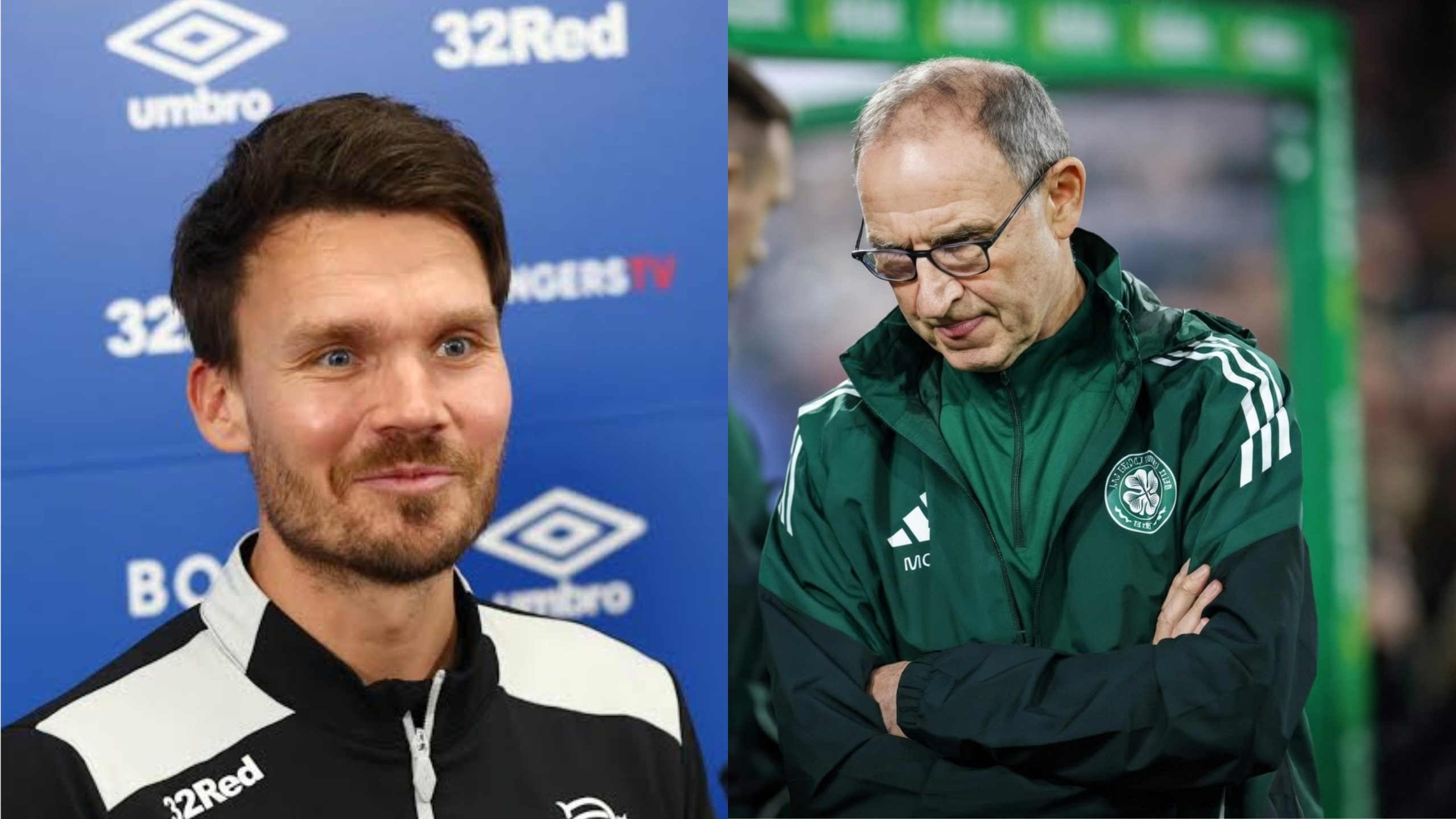
In the wake of Nancy’s exit, Celtic moved swiftly to reappoint Martin O’Neill as interim manager — a familiar figure with an established legacy at the club. O’Neill’s return has been framed as an effort to steady the ship and restore winning momentum amid a congested fixture list and mounting external pressure.
Celtic’s internal dynamics — from transfer policy to tactical continuity — have now become central talking points for analysts and supporters alike. Questions abound: Can the club stabilise its identity and results? Did the board make a strategic error in hiring Nancy without sufficient transition planning? These debates are likely to persist as Celtic navigates the remainder of the season.
Concluding Reflections
Wilfried Nancy’s tenure at Celtic, though brief, has catalysed intensive introspection across the football world regarding managerial agency, club expectations, and the volatile nature of elite sports leadership. His “shocking statement” — by challenging conventional narratives around his dismissal — has underscored the broader tensions between innovation and tradition, patience and performance, and philosophy and pragmatism in contemporary football.
As the season unfolds, the lessons from this episode will continue to influence discussions about leadership, accountability, and the structural dynamics of club management in the modern game
Share this content:






Post Comment