NEW ANGLE EMERGES OF AREOLA PENALTY INCIDENT AND IT CHANGES ABSOLUTELY EVERYTHING
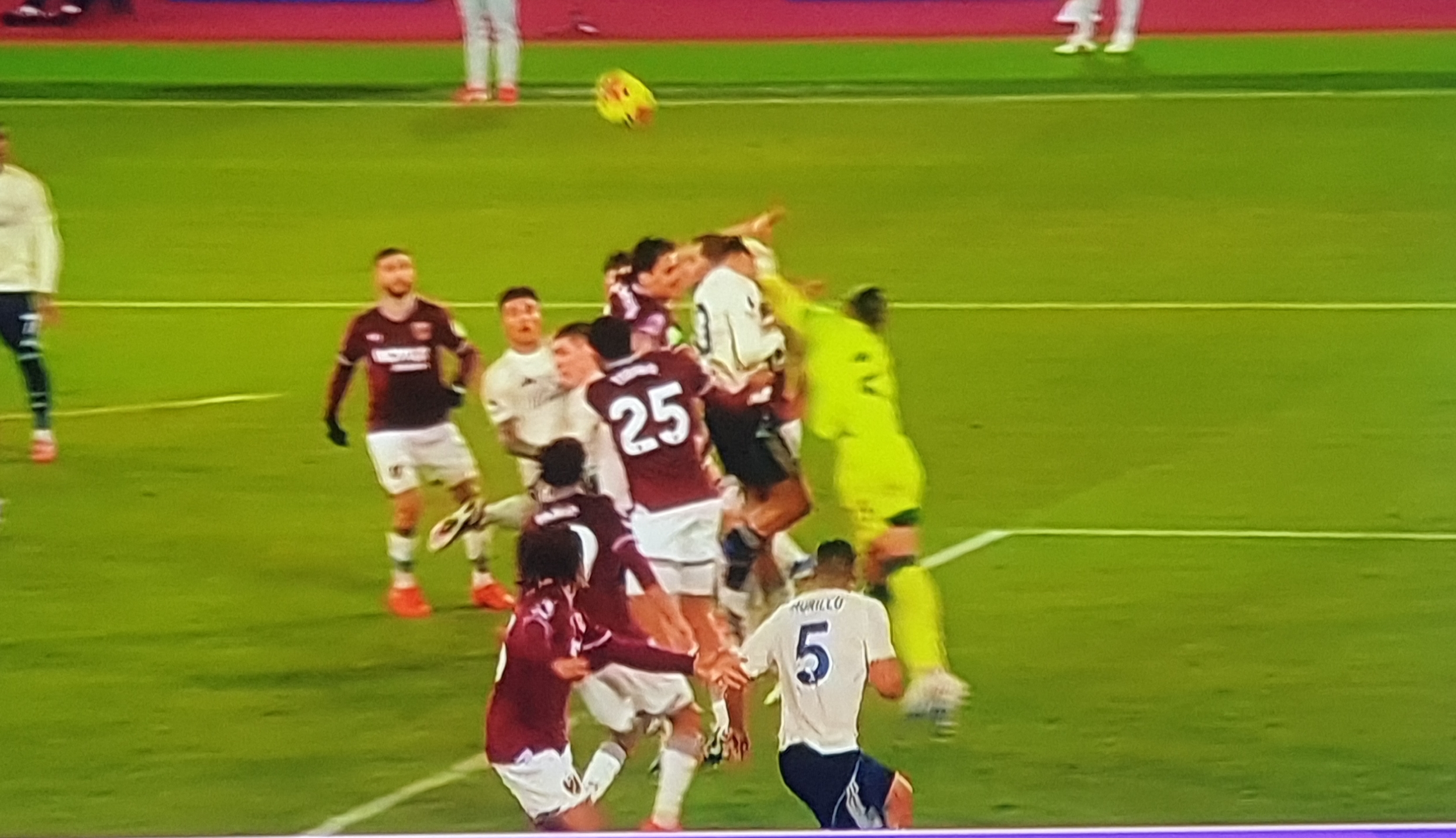
In what was already shaping up to be one of the most dramatic relegation battles of the Premier League season, one controversial decision in the final moments of West Ham vs Nottingham Forest didn’t just determine three points — it now threatens to reshape the narrative around referee intervention, VAR interpretation, and Alphonse Areola’s precarious standing at the London Stadium.
A High-Stakes Clash in the Relegation Scrap
On Tuesday night, West Ham United hosted Nottingham Forest in a crucial relegation six-pointer. West Ham took an early advantage courtesy of a 13th-minute own goal from Murillo, only for Forest to fight back through a 55th-minute header by Nicolás Domínguez. With the score level deep into the final stages, tension rippled through the stadium — only for a moment of drama to completely alter the outcome.
The Incident: Areola, Gibbs-White, and VAR’s Final Word
In the 89th minute, Forest forward Morgan Gibbs-White found himself tangled with West Ham goalkeeper Alphonse Areola as the latter attempted to punch clear a dangerous ball into the box. On first glance, and even on initial television replays, the collision looked minimal, with defenders and attackers clustered tightly and bodies moving in close proximity.
But then came the pivotal moment: VAR intervened, prompting referee Tony Harrington to review the incident at the pitchside monitor. After a lengthy check, a penalty was awarded to Nottingham Forest — a decision that Morgan Gibbs-White duly converted to complete Forest’s comeback.
Why the New Angle Changes Everything
Here’s where things get controversial.
1. Reexamination of Contact Severity
A fresh angle circulating online — drawn from fan uploads and detailed frame analyses — shows Areola’s punch may have contacted Gibbs-White earlier than recognised by the on-field referee, but not with the force typically associated with a foul. Critics argue that minimal shoulder and arm contact should not meet the threshold for a direct free-kick offence according to Law 12 of the game, suggesting the VAR decision leaned on technicality rather than clear and obvious error.
2. Areola’s Positioning Has Been Misread
Most broadcast angles showed Areola in mid-air with his arm extended — a moment that looked reckless. But the new viewpoint reveals that Gibbs-White was already committed to the header, with his own momentum carrying him into Areola’s arm. This nuance, often missed in live coverage, may explain why some pundits now claim the penalty should not have stood. Observers argue that the on-field referee may have conflated aerial collision with contact deserving a spot kick.
3. VAR’s Controversial Role Resurfaces a Larger Issue
The decision reignites the ongoing debate over VAR thresholds: should 50-50 aerial challenges where contact is incidental be subject to reversal, or should VAR intervene only where there is clear and obvious error? This argument mirrors other high-profile VAR controversies across football where technological checks have overruled on-field calls despite ambiguous contact.
Tactical and Psychological Ripples Across Both Squads
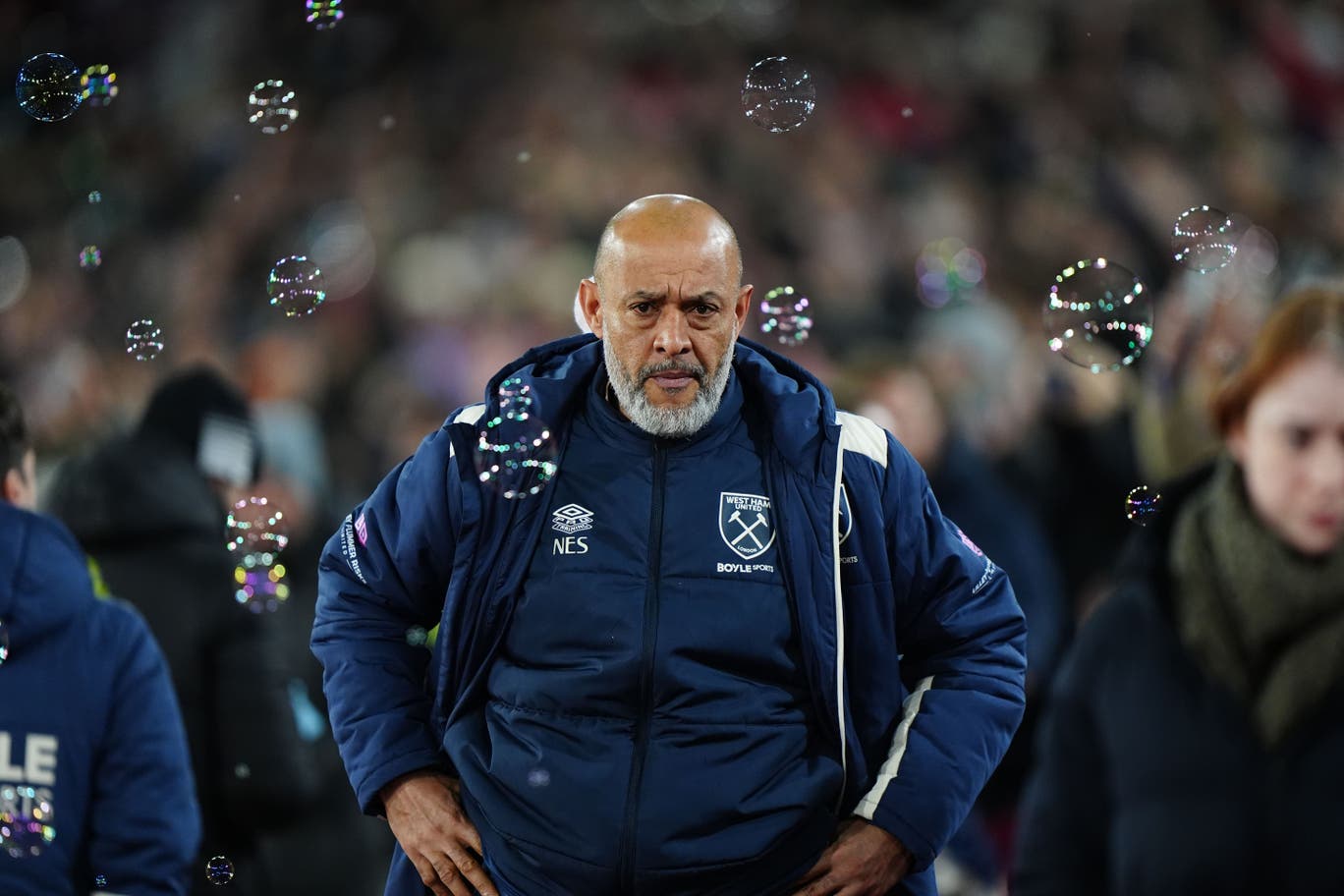
The penalty not only handed Forest all three points — a 2-1 victory that takes them seven points clear of the drop — but also deepened West Ham’s struggles. After an already extended winless run in the league, this late twist compounded frustrations for manager Nuno Espírito Santo and his squad.
From Forest’s perspective, the goal was nothing short of a lifeline — a dramatic twist that keeps their survival hopes alive. For West Ham, the controversy surrounding Areola’s involvement now overshadows what had been a competitive performance.
Fan Reactions: Split Down the Middle
Social media has erupted in the aftermath:
Forest supporters see a justified intervention that corrects what the replays clearly show — significant contact warranting a penalty.
West Ham fans and neutral analysts argue that the new angle actually lessens the perceived contact, suggesting VAR penalised a goalkeeper making a genuine attempt to claim the ball.
Pundits now question whether VAR’s influence in such tight aerial duels does more harm than good, muddying what should be a straightforward interpretation of Law 12.
Conclusion: A Penalty That Could Have Broader Repercussions
What started as a pivotal relegation fixture has escalated into a flashpoint in the broader VAR debate. The emerging angle on the Areola incident doesn’t just reignite old arguments — it forces football’s authorities and fans alike to scrutinise how and when technology should shape match-deciding moments.
With West Ham’s season now at an inflection point and Areola at the centre of dissected footage from multiple angles, this decision will be debated, analysed, and referenced in VAR discussions for weeks — if not months — to come.
Share this content:



Post Comment