PATRICK BAMFORD ADMITS HE HATED LEEDS UNITED TEAMMATE FROM FIRST DAY THEY MET
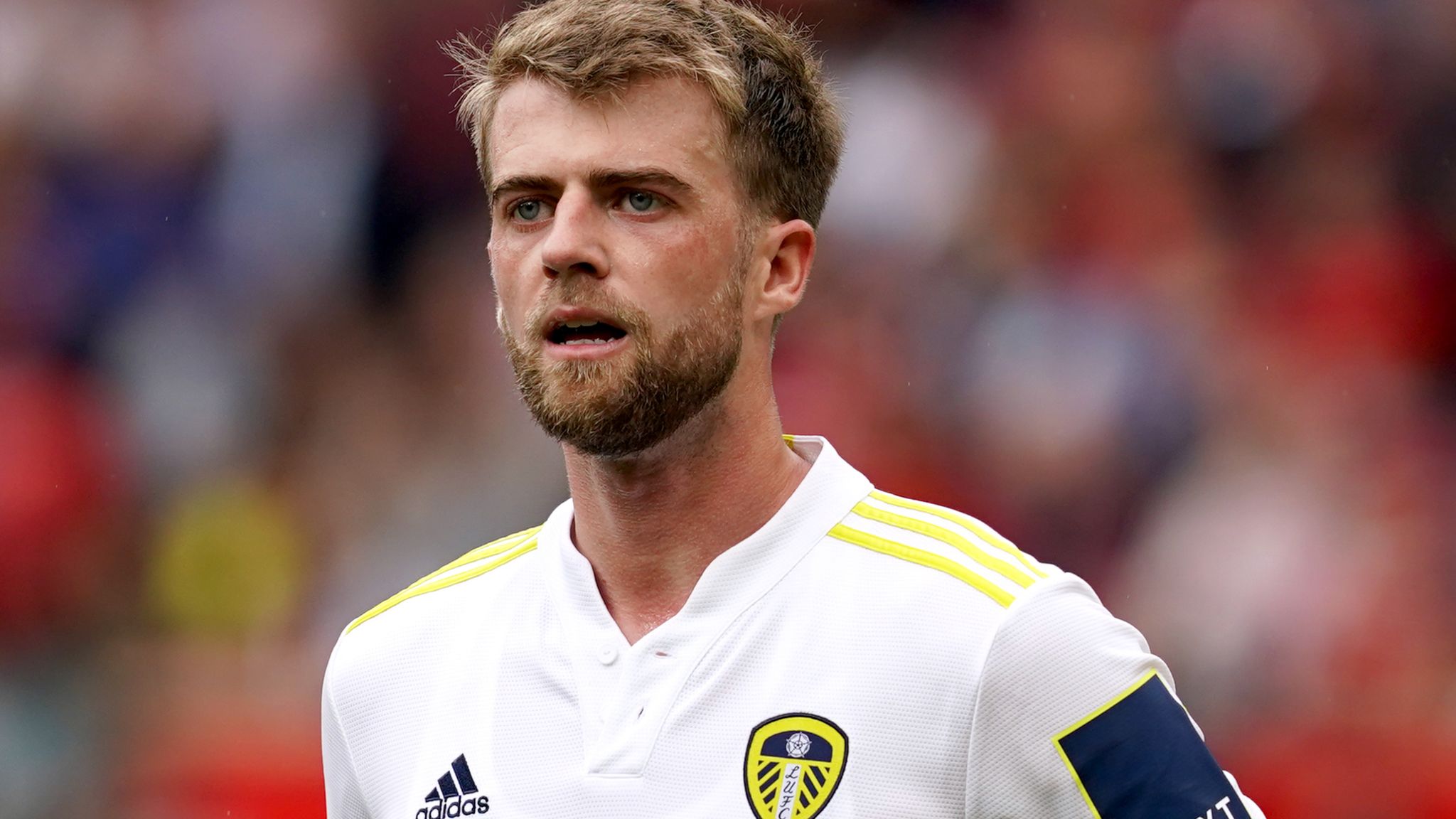
Patrick Bamford Admits He Hated Leeds United Teammate From First Day They Met
In a revelation that has stunned fans and reignited debates about dressing room dynamics, Leeds United striker Patrick Bamford has admitted that he “hated” one of his teammates from the very first day they met. The confession, made during a candid interview on the Footballers Unfiltered podcast, sheds light on the emotional undercurrents that often run beneath the surface of professional football.
A Rare Glimpse Behind the Curtain
Bamford, who has been a central figure at Leeds United since joining the club in 2018, is known for his articulate demeanor and thoughtful interviews. However, his recent comments have taken many by surprise.
> “I’m not going to sugarcoat it,” Bamford said. “When I first met Kalvin [Phillips], I couldn’t stand him. There was just something about him — the way he carried himself, the banter, the swagger. It rubbed me the wrong way.”
The admission is particularly striking given the public perception of camaraderie between the two players. Both were instrumental in Leeds’ promotion to the Premier League in 2020 and were often seen celebrating goals together.
Clashing Personalities
According to Bamford, the tension stemmed from a clash of personalities rather than any specific incident.
“Kalvin’s the kind of guy who lights up a room. He’s loud, confident, always joking. I’m more reserved, more focused on the details. I mistook his energy for arrogance,” Bamford explained.
He went on to describe how their early training sessions were marked by subtle jabs and competitive tension.
“There were times in training where we’d go in a bit harder on each other than necessary. It wasn’t malicious, but it was definitely personal. I think the coaches noticed it too.”
A Turning Point
Despite the rocky start, Bamford revealed that their relationship evolved over time — thanks in part to shared challenges and mutual respect.
“It changed during the 2019–20 season,” he said. “We were both under pressure — me to score goals, him to anchor the midfield. We started talking more, understanding each other’s roles. That’s when I realized he wasn’t arrogant — he was just passionate.”
Bamford credits then-manager Marcelo Bielsa for fostering a culture of unity that helped bridge the gap between players with different temperaments.
“Bielsa didn’t tolerate cliques or grudges. He made us see the bigger picture. That helped me let go of whatever I was holding onto.”
The Power of Vulnerability
Bamford’s willingness to speak openly about his initial dislike for a teammate is rare in the world of professional sports, where players often present a united front. Sports psychologist Dr. Helen Carter believes such admissions can be healthy.
“It’s normal for people in high-pressure environments to clash,” she said. “What matters is how they navigate those conflicts. Bamford’s honesty shows emotional maturity and self-awareness.”
Fan Reactions
Reactions from Leeds United supporters have been mixed. Some praised Bamford for his honesty, while others expressed disappointment that such tension existed between two of the club’s most beloved players.
On social media, one fan wrote:
> “Can’t believe Bamford hated Kalvin at first. They were like Batman and Robin on the pitch!”
Another added:
“Respect to Bamford for being real. Shows how far they’ve come as teammates.”
Kalvin Phillips Responds
Phillips, now playing for Manchester City, responded to Bamford’s comments with characteristic humor.
“I always knew Pat was a bit grumpy when we first met,” he joked in an Instagram story. “Glad he finally admitted it. Love you too, bro.”
He followed the post with a throwback photo of the two celebrating a goal, captioned: “From hate to hugs.”
Lessons in Leadership
Bamford’s story underscores the importance of emotional intelligence in team sports. While talent and tactics are crucial, the ability to manage interpersonal relationships can be just as vital to a team’s success.
“I learned that first impressions aren’t always accurate,” Bamford concluded. “Sometimes the people who challenge you the most are the ones who help you grow.”
Looking Ahead
As Bamford continues his career, his openness may serve as a model for younger players navigating the complex social dynamics of professional football. His story is a reminder that even in elite sport, personal growth and reconciliation are possible — and sometimes, the teammate you once couldn’t stand becomes the one you miss the most.





Post Comment