THE SPFL RELEASED WHY THE OFFSIDE GOAL WAS NOT DISALLOWED AFTER CELTIC POSTED IT ON SOCIAL MEDIA
THE SPFL RELEASED WHY THE OFFSIDE GOAL WAS NOT DISALLOWED AFTER CELTIC POSTED IT ON SOCIAL MEDIA
SPFL Explains: No Offside on Celtic–Heart of Midlothian Decider Despite Frenzied Offside Claims
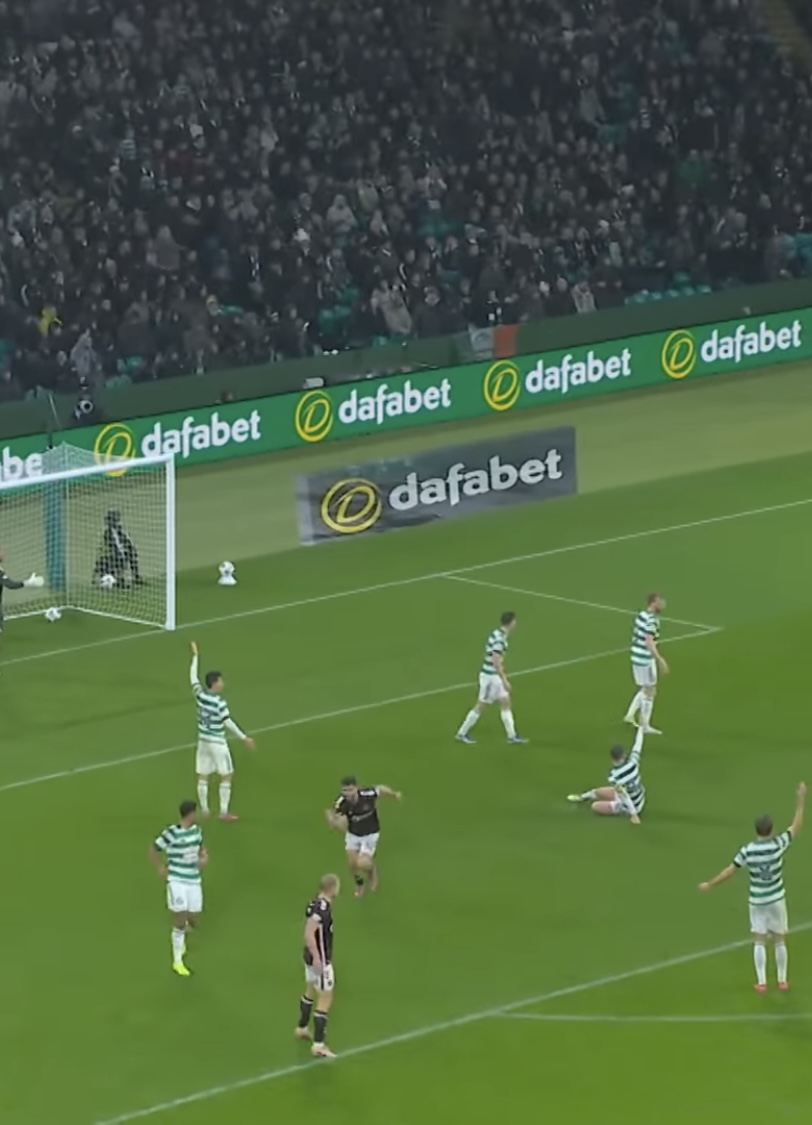
The governing body of Scottish football, Scottish Professional Football League (SPFL), has addressed the controversy surrounding a goal scored by Cláudio Braga during Sunday’s Premiership clash between Celtic and Hearts — confirming that the strike was legitimate and that no offside offence had occurred.
The decision has emerged in the wake of widespread debate — much of it initiated by supporters of Celtic — after televised replays prompted many to believe that Braga had strayed beyond the final defender before the cross. But according to official review, the goal stood. 
⸻
What Happened: Key Moments of the Match
On 7 December 2025, at Celtic Park, Hearts stunned the champions with a 2–1 victory. Braga opened the scoring just before half-time (43rd minute). The goal came from a forward header, following a dangerous situation inside the box that sparked immediate protests from the home side, many convinced that the attacker had been offside. 
Later, in the second half, Oisin McEntee doubled Hearts’ lead with a powerful header from a corner (64′). Celtic, whose possession statistics dominated much of the game, could only reply deep into stoppage time, when Kieran Tierney struck to reduce the deficit — but by then the damage was done. 
That early goal from Hearts proved pivotal — and its legitimacy has become the main talking point after the match.
⸻
SPFL’s Ruling: Why the Goal Was Allowed
According to the reports summarising the decision, the SPFL — acting on the officials’ post–match analysis — concluded that there was no offside on Heaven’s opener. The assistant referee’s call stood. Crucially, what many fans saw as a tight offside was clarified by the fact that another Hearts player — Arne Engels — had played Braga onside from a wide position, effectively resetting the offside line. 
In plain terms: although visually it might have appeared that Braga was beyond Celtic’s final defender, the position and movement of Engels meant that the offside rule was not breached — under the laws governing “active play” and “interfering from an onside teammate.”
The SPFL’s statement — though not widely publicised as a separate official press release — has been widely accepted by match officials and pundits alike, who argue that the right call was made. 
⸻
Reaction: Outrage, Acceptance — and a Warning to Hasty Judgments
Immediately after the goal, many Celtic supporters erupted — calling for a flag, claiming injustice, and flooding social media with outrage. The delay before the celebration in the away stand only added to the confusion and suspicion among the home supporters. 
But in the hours that followed, once replays and official explanations emerged, voices of acceptance began to surface. Some pundits highlighted that in high-speed plays with multiple attackers and shifting defensive lines, what looks “offside” can often be within the letter of the law once all movement is accounted for.
This episode serves as a reminder of the complexities involved in modern football officiating — especially under the scrutiny of broadcast replays, VAR technology, and passionate fan belief.
⸻
Implications for Celtic, Hearts — and the Title Race
For Hearts, the decision and the validated goal mark a massive morale boost. The 2–1 win at Celtic Park not only handed them three valuable points but also reinforced their place at the top of the Premiership table. 
For Celtic, the defeat — and the surrounding controversy — is likely to fuel pressure on the squad, coaching staff and decision-makers. Their attempts to challenge at the top depend heavily on avoiding such fine margins, but this game will haunt them as an example of how quickly matches can turn, whether by individual mistakes or by valid yet controversial refereeing decisions.
And for the wider SPFL and refereeing community, this will likely be viewed as a vindication: a demonstration that VAR and offside rules — when applied correctly — can withstand even the fiercest fan scrutiny.








Post Comment