FANS HAVE LOST IT COMPLETELY WITH PAQUETÁ AFTER THE FA REVEALS WHAT HE SAID TO THE REFEREE BEFORE HIS RED CARD — IT’S DISGUSTING
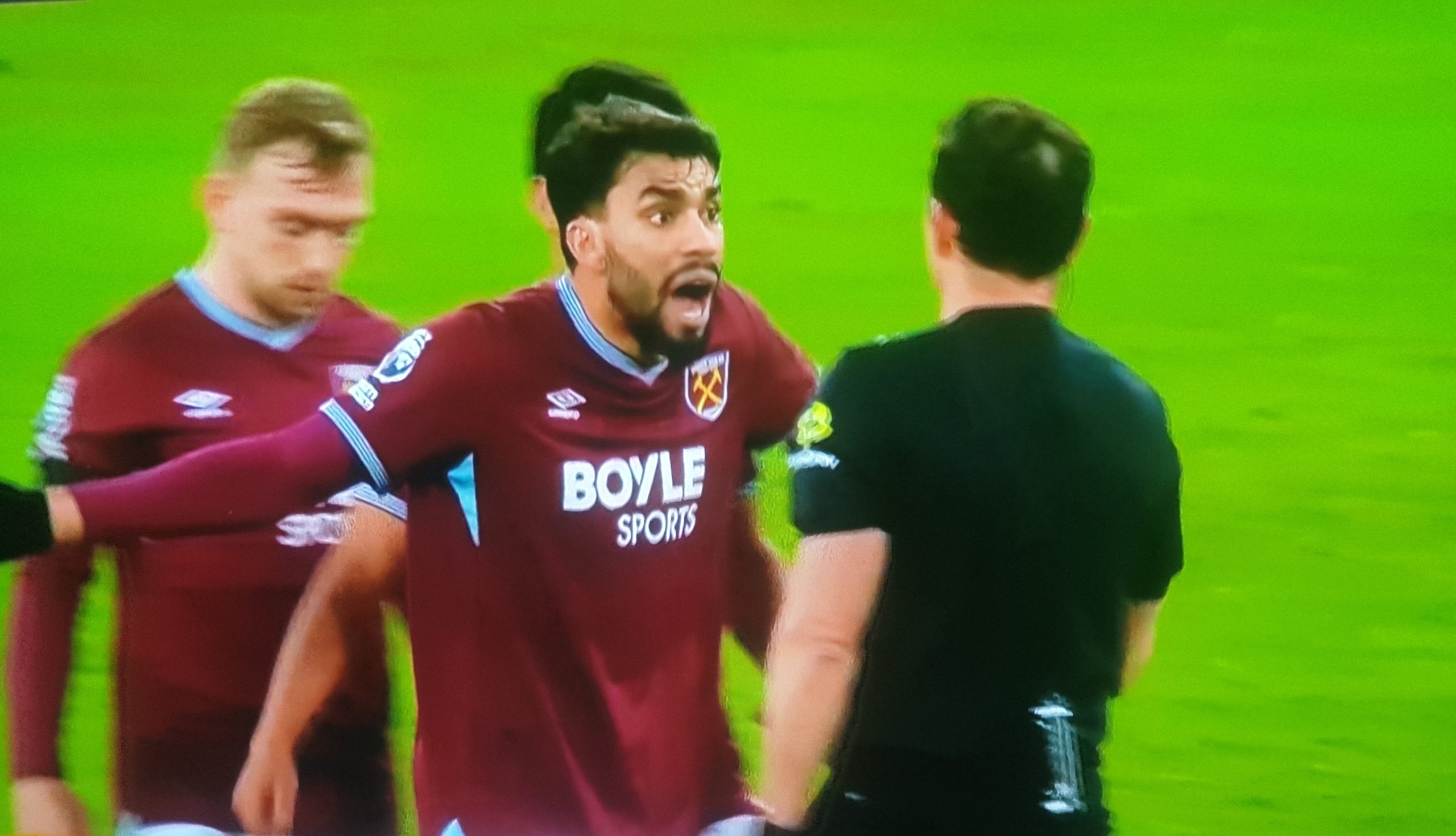
When the referee’s red card flashed against Lucas Paquetá during West Ham United’s home game against Liverpool FC, no one at the London Stadium expected the outrage that would follow — not just on the pitch, but among fans worldwide. Now, with the details of what Paquetá reportedly said before getting sent off finally laid bare, fury among supporters has reached boiling point. And many are calling it nothing short of a betrayal.
—
🔥 The Incident: From Frustration to Flames
The drama unfolded late in the match, as Liverpool led 1–0 and West Ham still clung to slim hopes of salvaging something. On 84 minutes, Paquetá — already booked earlier for a foul — erupted in protest after a decision by referee Darren England. That protest escalated instantly: he argued vehemently, gestured, and even resisted teammates trying to calm him. It was dissent at its rawest — and the ref had no option but to issue a second yellow, followed by a red. Moments later, Liverpool sealed a 2–0 win in stoppage time.
What should’ve been a tight, hard-fought game ended in disaster — and for many West Ham fans, the culprit was glaring.
—
📢 The Provocation: What Paquetá “Said” (And Why It Hit So Hard)
In the aftermath, Paquetá went public — and explosive — turning the red card into a broader indictment. On social media (X), he didn’t just apologise; he lashed out at the governing body, the The Football Association (FA), claiming neglect and mental strain.
> “It’s ridiculous to have your life and career affected for two years without any psychological support from the federation,” he wrote. “Perhaps this ridiculous behaviour is just a reflection of everything I’ve had to endure and, it seems, have to continue enduring! I’m sorry if I’m not perfect.”
He doubled down with a Portuguese-language post: he accepted that he would now be seen as “the villain,” lamented what the situation had done to his psyche and career — and apologised to teammates and fans. “This does not justify my expulsion,” he said.
In short: Paquetá didn’t just say “I was wrong” — he framed the red card as an emotional meltdown caused by years of neglect from football’s authorities.
—
⚠️ The Fallout: Why Fans Are Losing Faith
• It cost the match
At a critical moment — down just one — losing your creative midfield engine is catastrophic. What hope West Ham had vanished with Paquetá’s rush of blood. Many see it as self-inflicted sabotage.
• The excuse doesn’t wash with many
Yes — the story of the emotional toll from a harrowing two-year investigation resonates. But fans argue that mental strain doesn’t excuse dragging teammates and club into chaos. As one prominent pundit put it, Paquetá’s red “was completely irresponsible.”
• Public airing of grievances looked like shifting blame
Instead of a quiet apology, Paquetá’s emotional post turned into a public indictment of the FA. For some supporters, this felt less like humility and more like an attempt to deflect blame — to turn himself into a victim. That’s a bitter pill when the cost is three points lost.
• It fuels deeper doubts about character & reliability
More than just a reckless moment — it casts a shadow on Paquetá’s discipline, temperament, and leadership. If he crumbles under pressure like this, how can he be trusted when the stakes are high?
—
📉 The Wider Context: Haunted Past + Fragile Trust
It’s important to remember why Paquetá’s mental state might be fragile. Earlier this year, after a long investigation by the FA into alleged spot-fixing — specifically accusations he deliberately sought bookings to influence betting outcomes — he was cleared by an independent commission.
Still, during that period he faced immense pressure: his name dragged through headlines, rumours swirled, and reports suggested a potential £70–80 million move collapsed because of the allegations.
So when he speaks of psychological strain and emotional exhaustion, it’s not empty rhetoric. There’s material weight to it. Many pundits and some fans acknowledged that. Even outspoken critics like Micah Richards admitted: Paquetá may have valid frustrations — but “one thing you can’t do is let your teammates down for dissent.”
Thus, a conflict arises: sympathy for a man who lived through a grueling process — versus anger over a moment of career-ending recklessness. And for many, the latter now outweighs the former.
—
🎭 What This Means for Paquetá — And for West Ham
• Eroding trust among fans
Once a creative spark and a fan favourite, Paquetá is now teetering on the edge of public contempt. Some see him as a meltdown threat; others as someone who betrayed teammates for personal catharsis. Either way — admiration is eroding fast.
• Internal tension and instability at West Ham
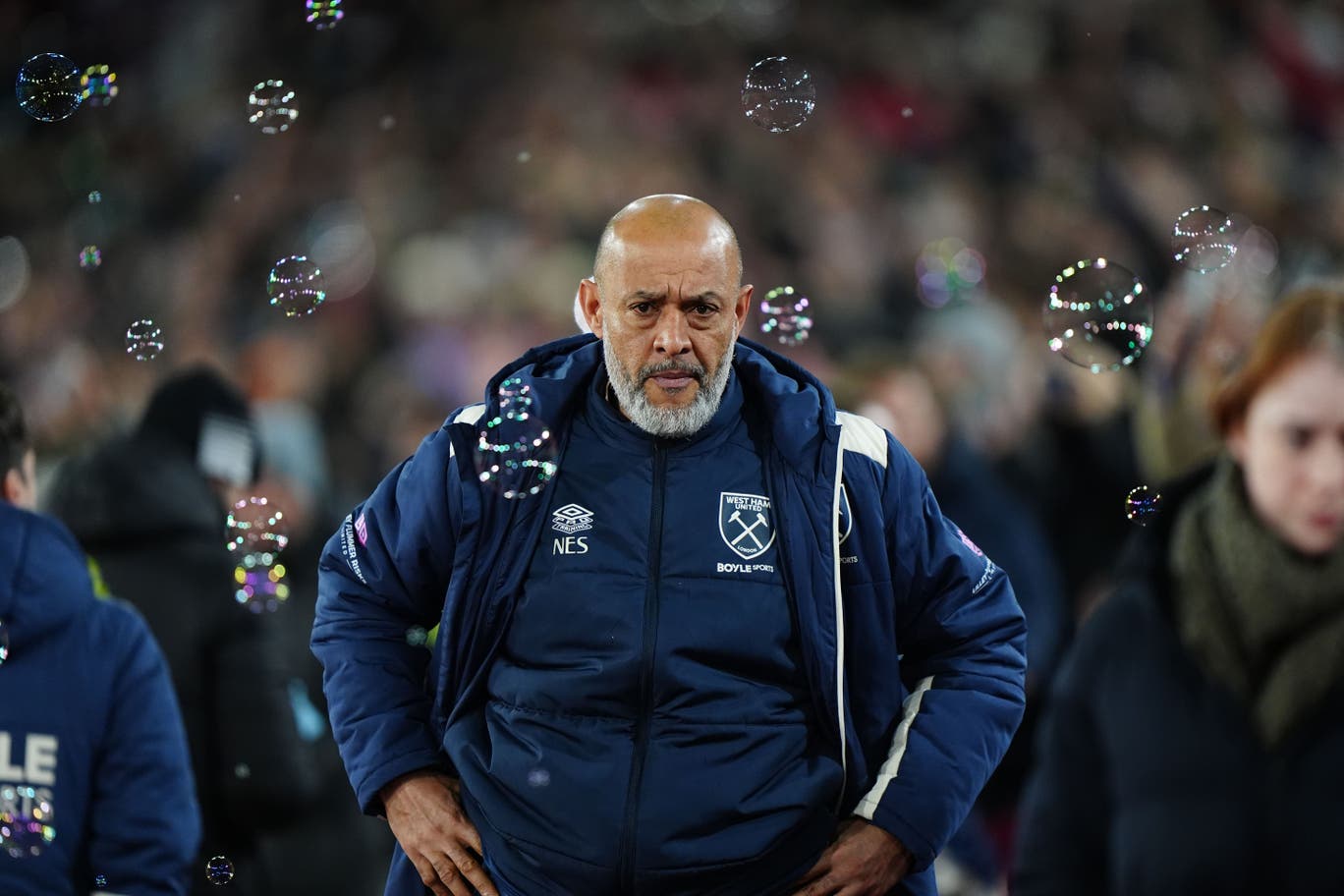
The club’s leadership appears wary. Nuno Espírito Santo declined to publicly rebuke Paquetá immediately after the match, saying he wanted to speak with him privately first. But the message is clear: this can’t become a pattern.
Furthermore, rumours suggest that this could mark the final straw in a turbulent tenure — with offers to leave already speculated.
• A broader debate reopened — mental health versus professionalism
Paquetá didn’t just collapse; he broadcast his suffering. His accusations against the FA have reopened conversations about psychological support systems for players under extreme pressure. And that’s not trivial.
But football — especially at the highest level — demands consistency, discipline, and reliability. Taking care of mental health is essential. Yet so is upholding professionalism when teammates depend on you. Paquetá’s case has become a painful example of what happens when those two imperatives collide.
—
🧨 Final Thought: From Sympathy to Scandal — Why This Story Keeps Burning
There was still a sliver of goodwill left around Paquetá after he was cleared of spot-fixing — a sense that the ordeal may have taken more than just his reputation, but his mental balance too. For some, his red-card outburst was a tragic aftermath of years of stress. For others, it was an inexcusable act of selfishness at the worst possible time.
But when a player uses the pitch as a stage for unresolved anguish — especially in a moment when the club needed composure — they risk more than punishment; they risk trust, respect, and legacy.
And now, with the public revelations of what he said before that red card — blaming institutions, venting raw pain — many fans aren’t seeing a troubled footballer anymore. They’re seeing someone who failed them when it mattered most.




Post Comment